Wind loads, thermal expansion and contraction, and structural movement are making facade design architecturally challenging.
Naveen Karki - Business Head, AIS Windows
India’s conditions make that performance test especially demanding: intense solar radiation, dust storms, heavy monsoons, and a growing frequency of extreme weather. Add the realities of tall buildings—wind loads, thermal expansion and contraction, and structural movement—and facade design becomes a performance challenge, not just an architectural one. And window systems sit at the centre of this challenge.
At the most basic level, windows shape daylighting and ventilation while influencing heat gain, air infiltration, water resistance, acoustics, and overall structural resilience. Because the building envelope—including walls and glazing—drives a major share of thermal load, window specification becomes a practical lever for both energy performance and occupant comfort.
As Indian cities face more volatile weather, facade design will be defined less by how buildings look at handover and more by how reliably they perform when conditions are at their toughest.
Naveen Karki

Windows, therefore, must address these demands through a system-based approach to fenestration, where glass, frames, hardware, and sealing components are designed to work as one integrated unit. Consistency also depends on how a system is made and installed—repeatable manufacturing processes and a trained workforce help reduce variability on site.
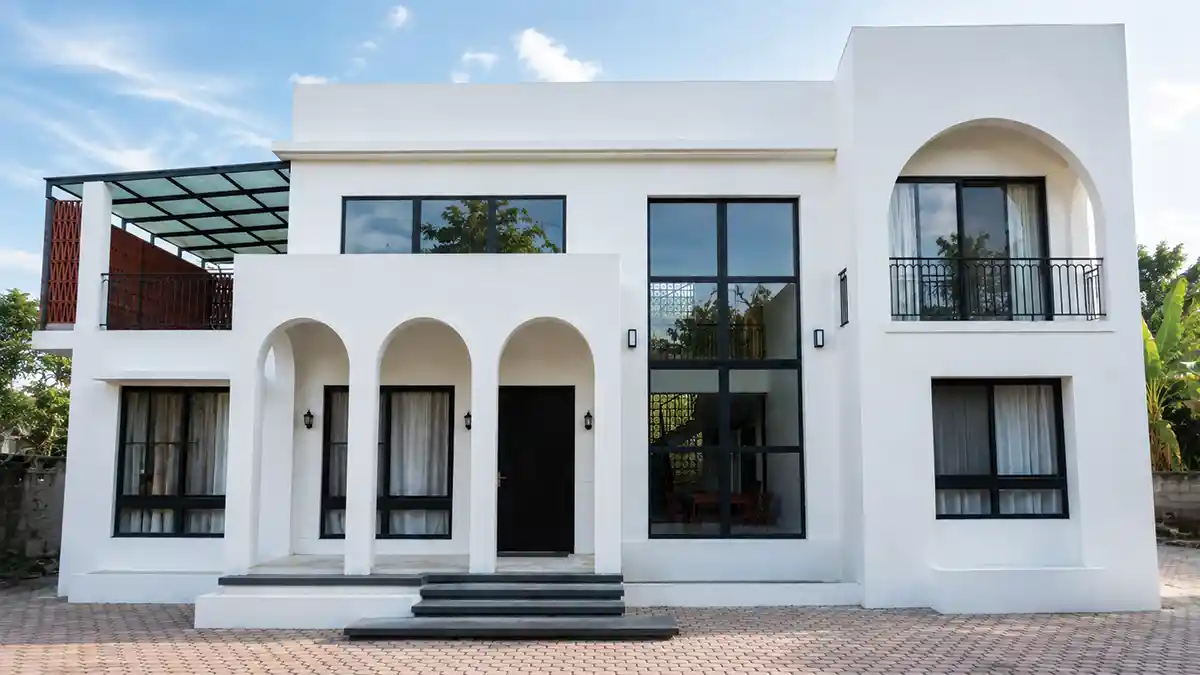
From a weather-resilience standpoint, high-rise window systems must be built to stay tight under wind pressure and shed water reliably in driving rain, while also coping with dust and temperature swings. Design choices include multi-point locking for improved sealing, purpose-made accessories, durable gaskets, and integrated drainage paths that move water away during heavy downpours. Reinforced frames and wind-load testing further support stability when pressure conditions intensify.
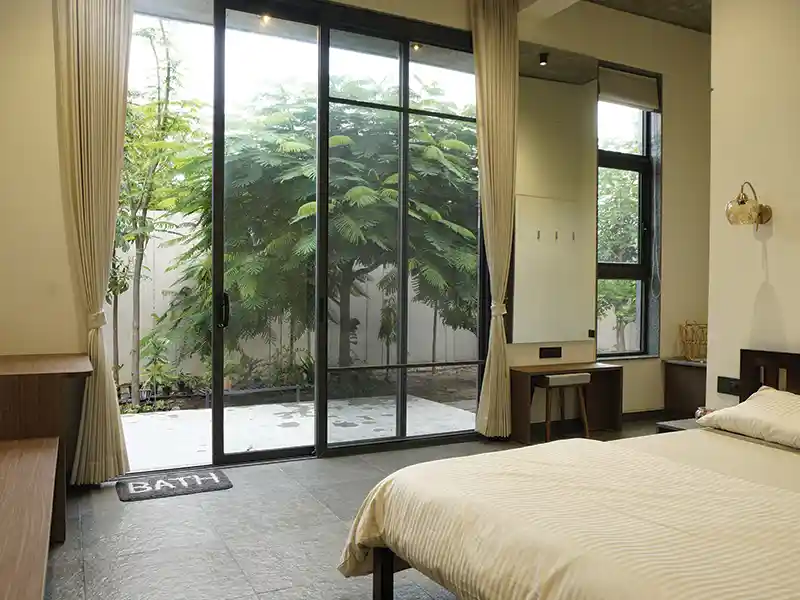
Thermal control is increasingly central to climate-responsive design. Insulated Glass Units (IGUs) reduce heat transfer by combining multiple panes with a sealed air gap, and can be paired with Low-E coatings that limit infrared radiation while preserving natural light. The result is lower cooling demand and a more stable indoor environment—especially valuable in dense, sun-exposed urban settings.
Material selection also shapes resilience in extreme scenarios. Aluminium, widely used in modern window systems, is non-combustible and does not contribute to flame spread—an advantage in fire-conscious facade design. Well-engineered profiles also help resist corrosion, warping, and long-term degradation, supporting durability over the life of the building.
Seismic considerations add another layer. While windows are not primary structural elements, they must tolerate building movement without failing in ways that create secondary hazards. Proper anchoring, joint flexibility, and robust hardware help systems absorb minor shifts, reducing the likelihood of glass breakage or detachment.
In a high-rise, a window is no longer just an opening—it is a system expected to perform through seasons and stress events. It must manage heat and glare, resist water ingress, limit noise, and remain safe under impact or building movement, all while maintaining consistent quality across thousands of similar units. AIS window systems are tested at third-party NABL-accredited laboratories to validate performance, an important safeguard for high-rise projects where reliability must hold across large facade areas.