Why Acoustic Design Matters
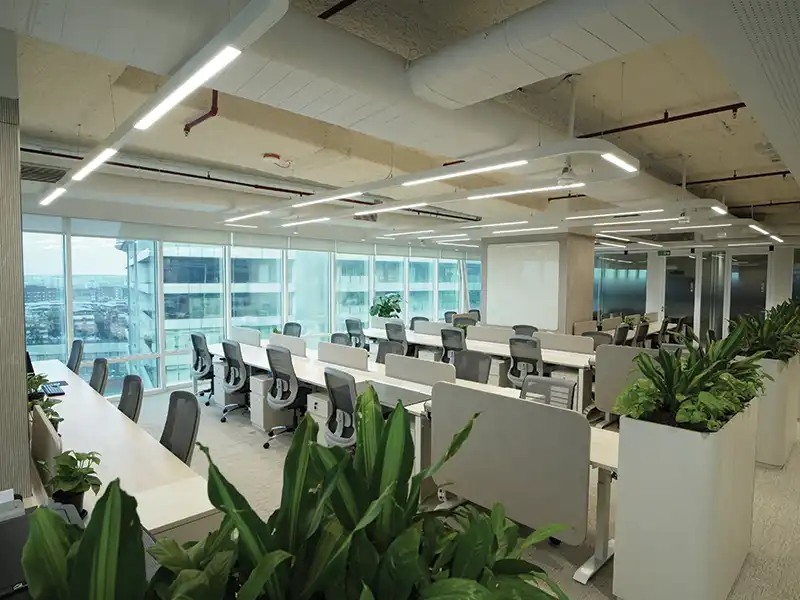
Uncontrolled noise isn’t just a nuisance — it affects concentration, communication, stress levels, and overall health. According to the World Health Organization (WHO), prolonged exposure to environmental noise is linked to sleep disturbance, cardiovascular issues, and impaired cognitive performance in children. Effective acoustic planning can dramatically improve human experience in buildings and public spaces.Noise Reduction: Creating Peaceful Indoor Environments
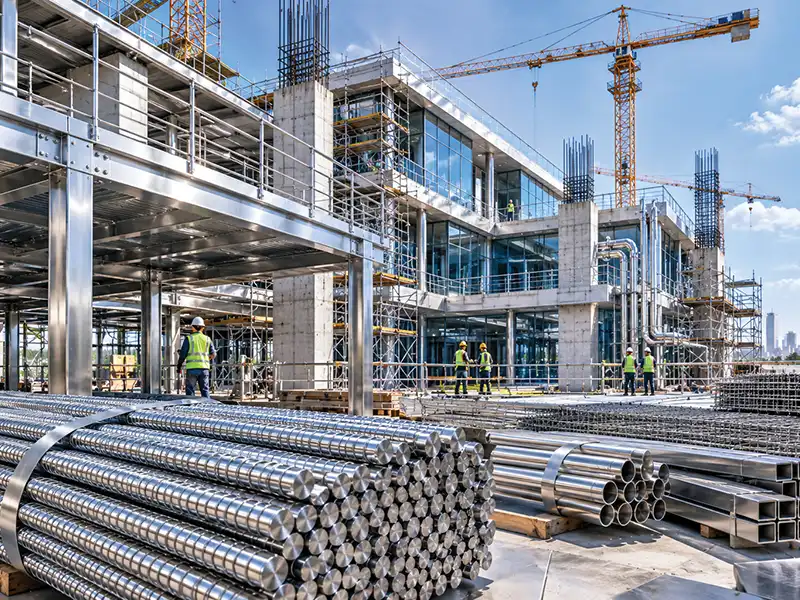
Soundproofing aims to block or reduce unwanted noise entering or leaving a space. Key strategies include:- Insulation Materials: Dense materials like mineral wool and fiberglass slow sound transmission through walls and floors.
- Acoustic Panels: Absorb sound energy, reducing reflections and reverberation.
- Double-Glazed Windows: Add significant mass and air space, cutting intrusive noise from traffic, construction, or neighbours.

Clarity & Comfort in Public Spaces
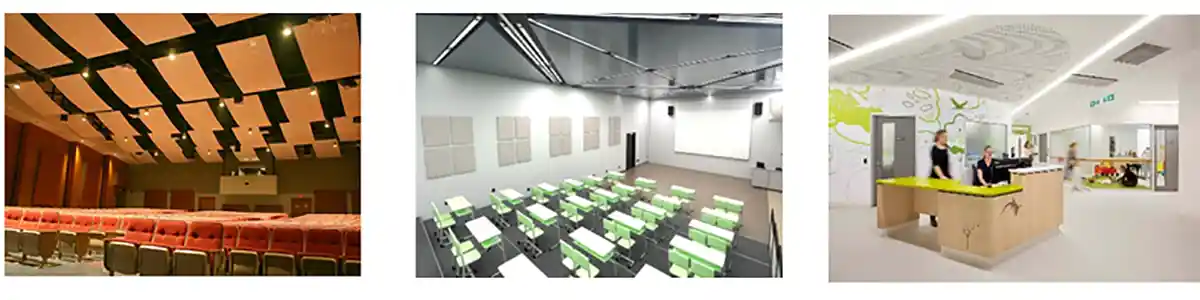
Spaces like schools, auditoriums, and hospitals have unique acoustic needs:- Auditoriums & Theatres: Require controlled reverberation for speech intelligibility and musical clarity.
- Classrooms: Optimal acoustics improve learning outcomes by reducing distractions and improving focus.
- Healthcare Facilities: Sound-absorbing surfaces help reduce stress and accelerates patient recovery.
Sustainable Materials: Green, Effective & In Demand
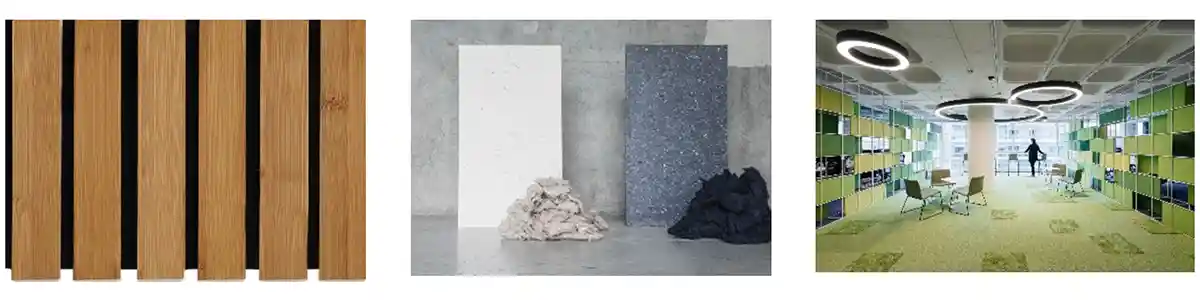
Sustainability is no longer optional — it’s expected. Eco-friendly acoustic solutions are gaining traction:- Bamboo Composites: Renewable and lightweight, bamboo panels offer good absorption with low environmental impact.
- Recycled Materials: Panels made from recycled fibres or plastics reduce waste and carbon footprint.
- Biodegradable Absorbers: Natural fibres like wool and cotton offer excellent performance with minimal ecological cost.
Smart Technologies: The Future of Acoustic Control
Modern workplaces and public zones are harnessing technology to make acoustics both intelligent and adaptive.- IoT-enabled Acoustic Systems: Sensors monitor real-time noise and automatically adjust sound masking or absorption functions.
- Modular Soundproof Pods: Flexible, mobile units that create quiet zones in open-plan offices or co-working spaces.
- Integrated Sound Mapping: AI tools help architects simulate and optimize acoustics during the design phase.
By choosing sustainable materials and integrating smart technologies, effective acoustics elevate spaces and human experience by enriching communication and improving well-being.