
Ar. Alfaz Miller & Aahana Miller ABM Architects
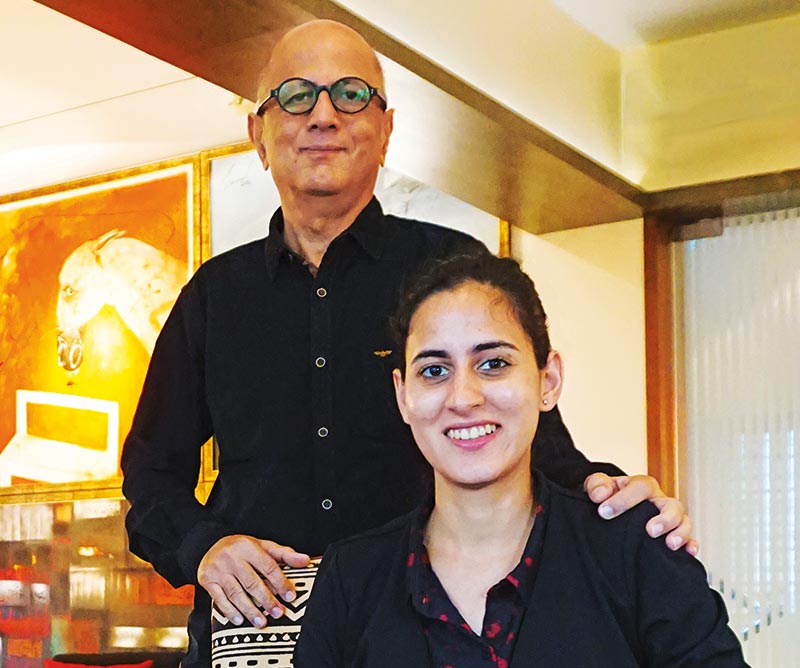
We believe in architecture that is simple and controlled and lacks stylised decoration. With large exposure to interior design, the buildings we design are practical with emphasis on function rather than just form. The designs are constructive, with purity of form and site and the design sensibility is dictated by the Indian environment with a preference for tropical architecture. Our architecture and design solutions are varied, comprehensive, and most importantly, client focused. Every creation aims to integrate a timeless aesthetic with functional design, an objective that has been at the core of the firm’s culture since its inception.
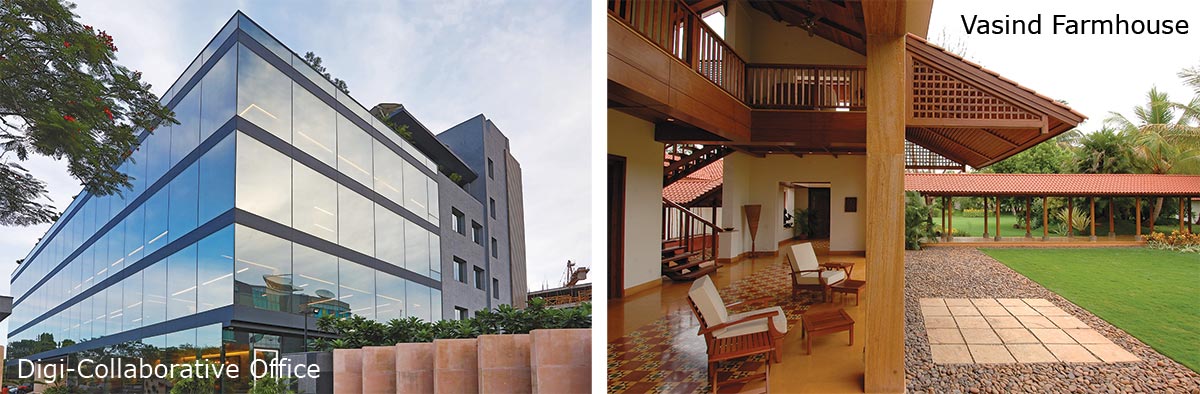
Ar. Ahmed Shaikh Ahmed & Associates
I believe that there is no single style to work on as we try to give multiple options depending on the clients’ requirements. Our style includes contemporary, classical, art deco, and minimalistic, which we can identify by their features. In the classical style, we see symmetry, boldness, and simplified designs. In Roman and Greek architecture, we see huge columns, capitals, cornices, exposed materials, etc. In art deco, the features are linear, with strips of windows on the façade. Art deco is all about stylized decorative elements with geometrical forms, zigzags, chevrons etc. level. Contemporary buildings look solid because of their masses, curves or slant walls.
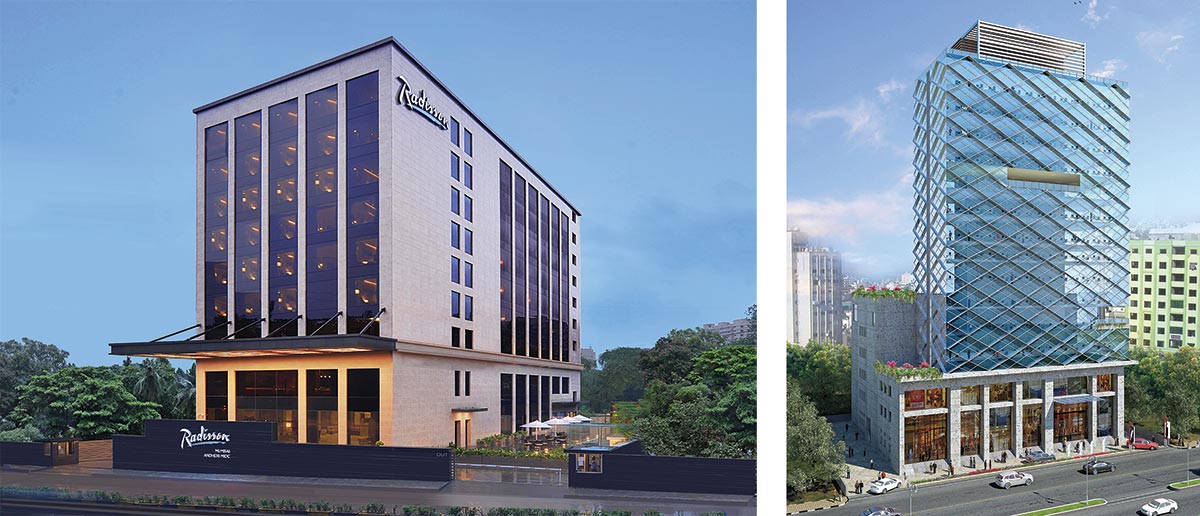
The choice of material plays an important role in the style of a building, for example, concrete is mainly used in the classical style, exposed materials are used in contemporary architecture, while the modern style uses materials like steel, glass, etc. Architecture is not only about buildings and materials; we have to consider preserving nature. It is the responsibility of the architect to preserve the natural surroundings and to design structures in response to nature, and in harmony with the neighboring buildings.
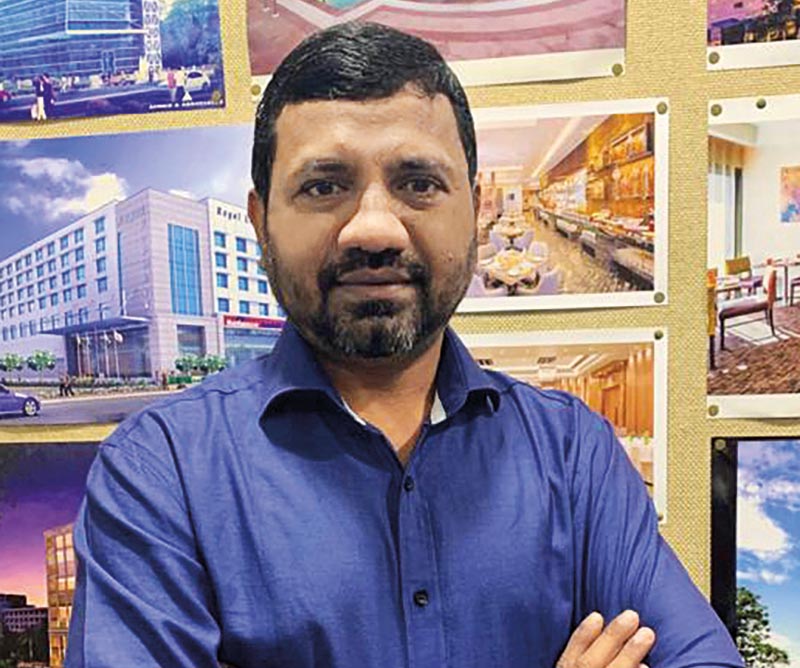
Ar. Shobhan Kothari & Ar. Anand Menon ADND & KdnD Studio
The orientation of buildings and their resulting facades closely look at site forces, climatic parameters and tropical influences. We like to dwell in the modern with an eye on tradition and regional contextuality. The interplay of light and shadow in our spaces comes out of a design approach that pursues the inside-outside connect. Blurring of boundaries that separate indoors from the outdoors is a strong part of our architectural vocabulary. A marriage of architecture and landscape is critical to the success of our projects. While we love to explore new materials for architectural expression, the underlying parameters continue to be a sense of restraint and understated elegance. Architectural details are constantly worked upon to achieve a sense of clarity and purity of thought.
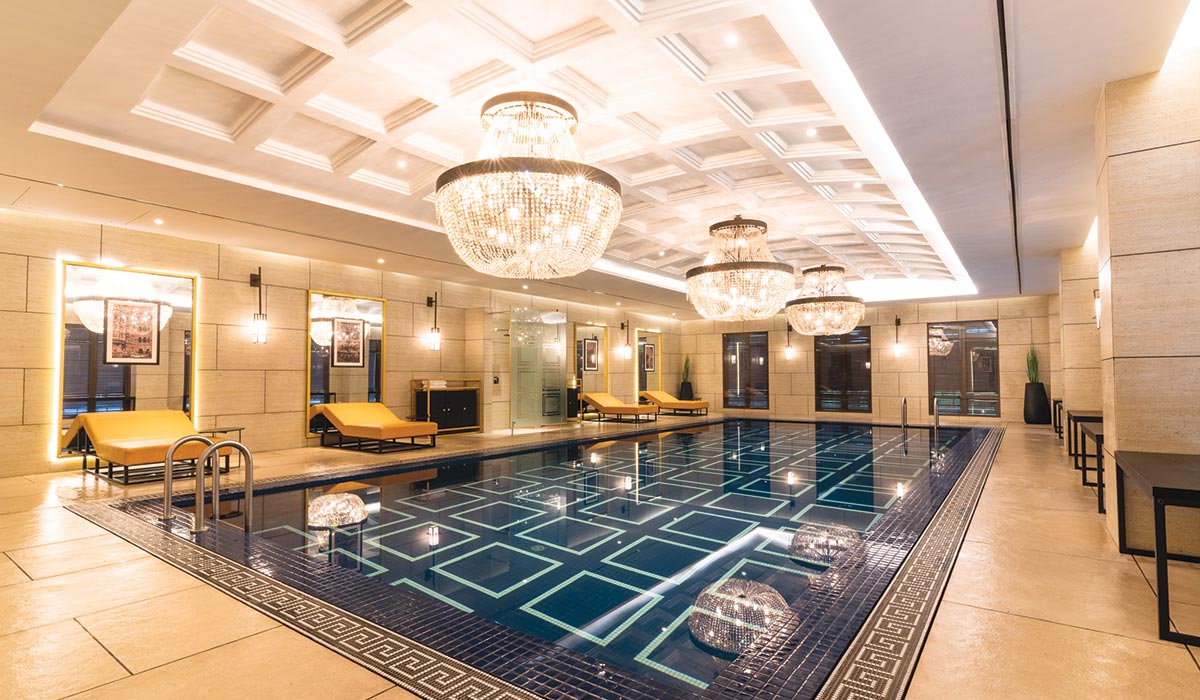
We believe that the success of design lies in the optimal collaboration between us and the client, to define architectural style and the design language. A good design is the result of a project brief being translated into a building that puts the end-user at the forefront.
Ar. Arpan Johari AW Design
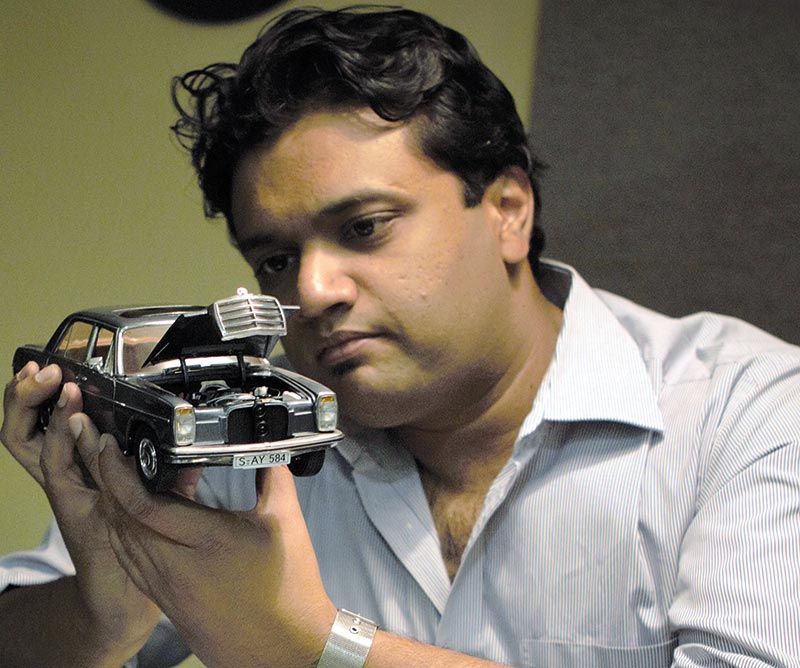
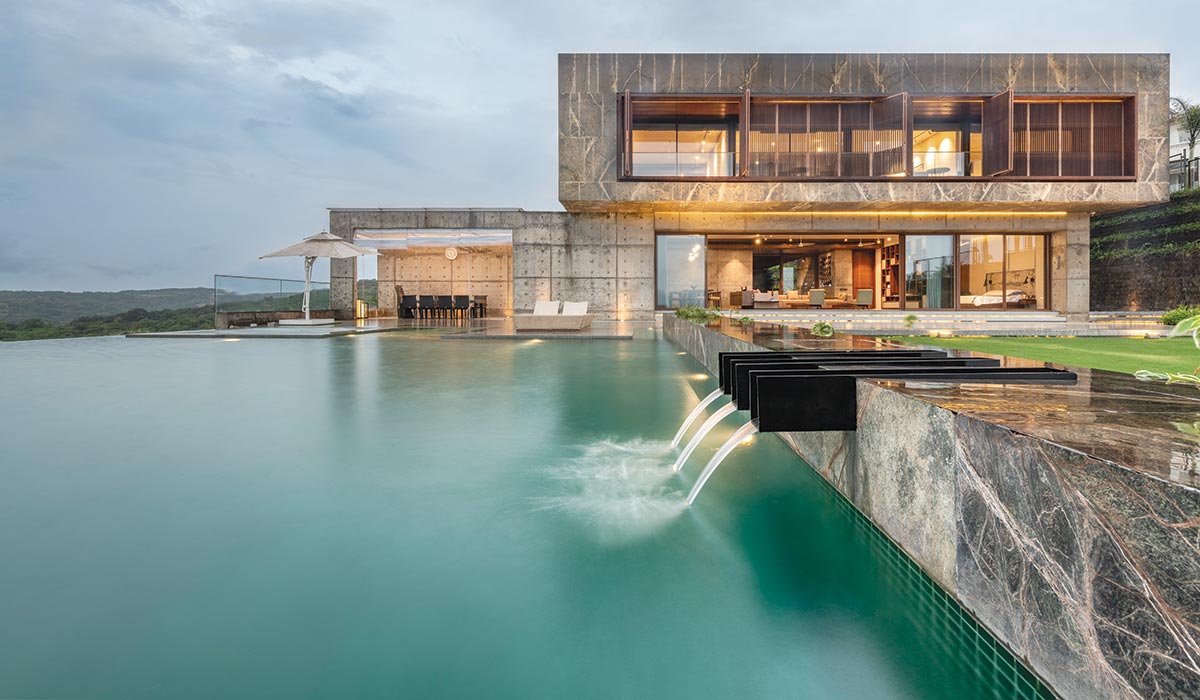
Given that most of our work is in the hotter regions of the country, we have developed an unsaid affinity towards the ‘jaali’. We explore different manifestations of it in concrete, brick and in louvres also. Jaalis help lower solar gain inside our buildings, diffuse the harsh light, accelerate the breeze to facilitate greater air flow and, I guess, in turn, they also help our buildings stand out.
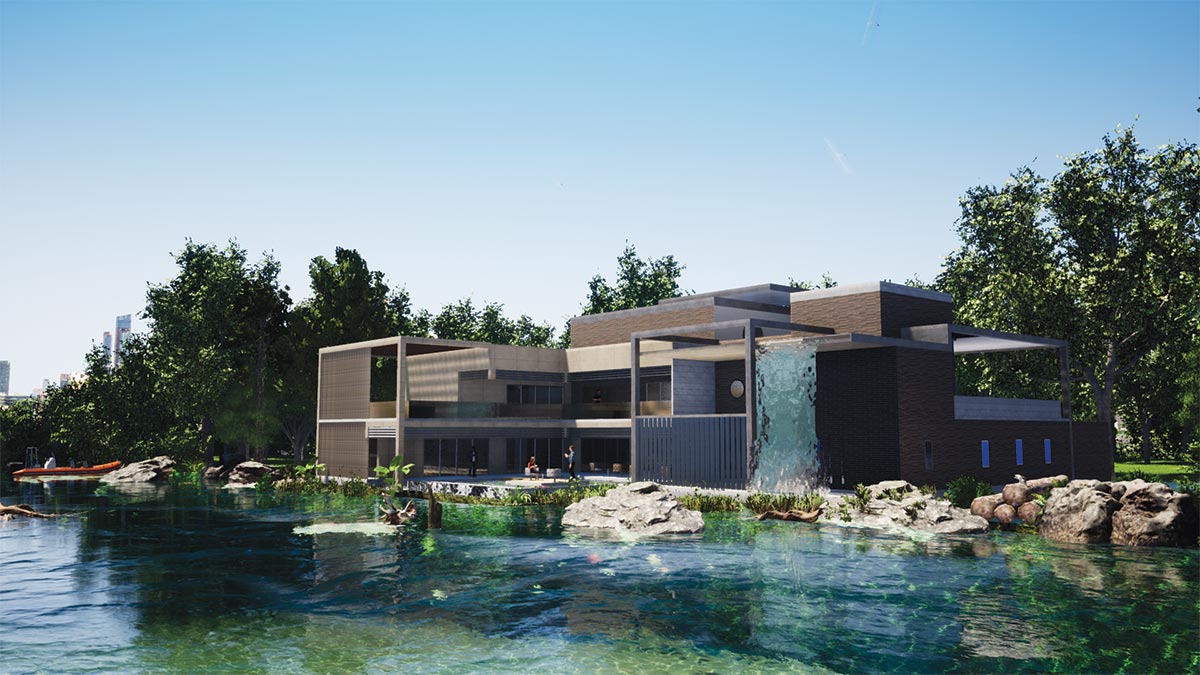
For interior projects, we are greatly inspired from cues in life forms and how they manage complicated systems efficiently in fixed volume spaces. An interesting example of this is a parametric ceiling that we executed in an interior design project to conceal large structural members and services, much like a mammal’s rib cage. While our buildings do not look the same, each client benefits from a unique architectural style tailored to his/her needs.
Ar. Monish Siripurapu ANT Studio
The ‘Beehive’, one of our first completed endeavors which provided us with the required breakthrough, resonated with the very same philosophy. Highly congruent to the structure of a naturally occurring beehive, the purpose of this installation design was to introduce an eco-friendly alternative for air cooling. Materials used for construction included terracotta pots, which due to their innate quality, resulted in cooling the exhausted air when damped with a flow of water. When incorporated in the Deki Electronics factory in Noida, waste water from the generator set was utilized, and was successful in sustaining a cooler temperature to the area. We took this ideology and created yet another installation in the Serendipity Arts Festival, Goa; this time to act as an air purifier along with cooling! Coral, named after its modular format symbolic of a coral reef, purifies the air through a suction system along with establishing cooler atmospheres.
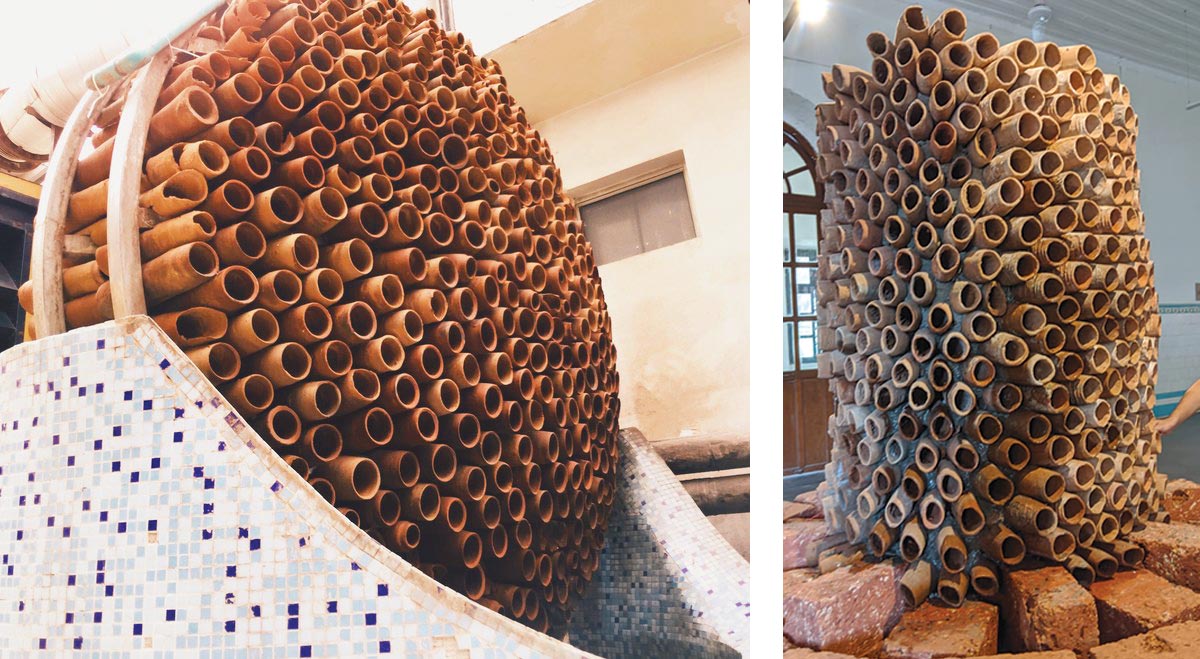
Aesthetics and art, form a crucial segment in both the above mentioned projects. From having artisans as a part of the studio creating the terracotta pots in-house, to making sure that the structure is aesthetically pleasing; we have always tried to concoct a fine blend out with the three principals of our practice: Art, Nature and Technology.
I believe that a design reaches its zenith: only when it is composed with baroque artistry, efficient algorithm and nature’s vitality; circumscribed around the people who use it and who aid to create it!
Ar. (Dr.) Harish Tripathi & ID. Jyoti D Tripathi Architect Harish Tripathi & Associates
We have always been fascinated by the virtues of verticality and monumentality. Irrespective of the footprint, our methodology is to perceive these two as experiential qualities and we aim to incorporate them through various spatial elements of architecture. These include double height porches supported by tall columns, double height elevations for windows, especially to combine the ground and first levels.
Our approach is to provide such a form and spatial quality to the building that the finishing of surfaces becomes secondary. We try to envision the structure as a black and white image and attempt to make the space interesting through this lens, because the buildings of our time work with cladded and/or plastered layers which remain undecided until the stage of execution.
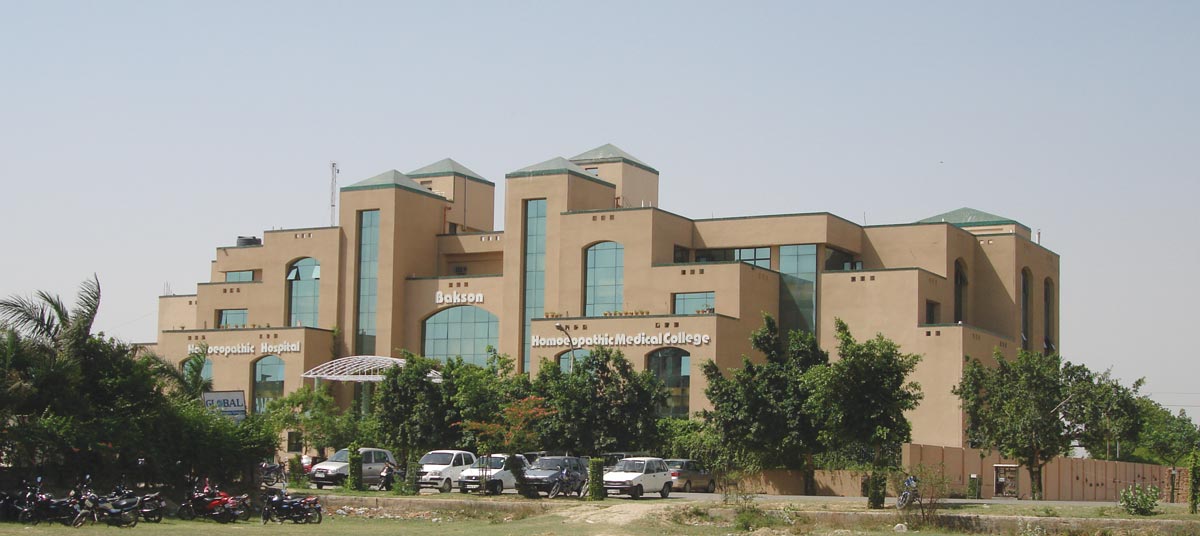 Bakson Homeopathic Medical College Greater Noida
Depending on the brief provided, we also accommodate traditional elements in our design. However, our method of realizing these traditional structures into a modern context is to extract their contemporary relevance and simplify them in terms of materiality and form. An exceptional case amongst these, which we regard highly, is the traditional Indian spatial element – the courtyard, which we try to implement through various possibilities whenever the opportunity arises. Lastly, we always try to provide an interesting skyline to the building as a response to the continuity of the landscape that the building fits in. This is achieved by increasing and decreasing the heights of various blocks and plinths, and giving shape to certain elements, etc.
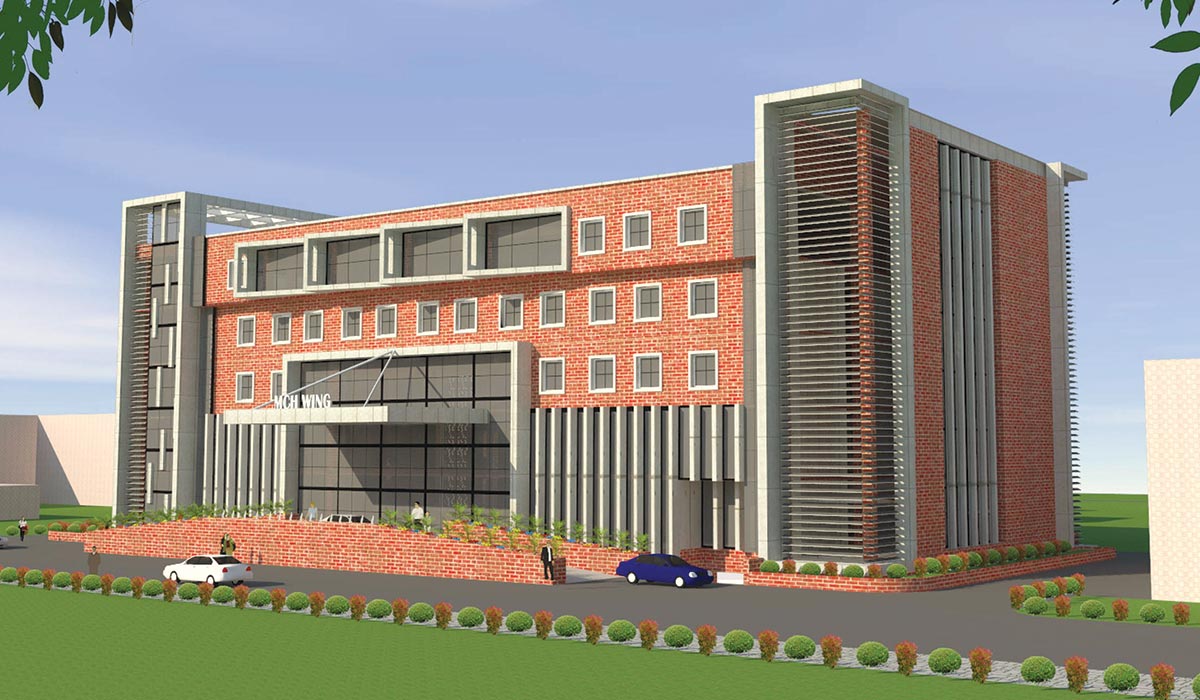 Mother & Child Hospital AMU Aligarh
We view architecture as a global sensation that has existed and evolved since thousands of years. Each building, historically, is a testimony of its time and is unique. Our approach is to transcend this uniqueness to each project and to respect the context in which we work – explore materials, experiment forms and adapt to the existent and avoid ‘trademarking’ the building.
Ar. Babu Cherian Babu Cherian Architects
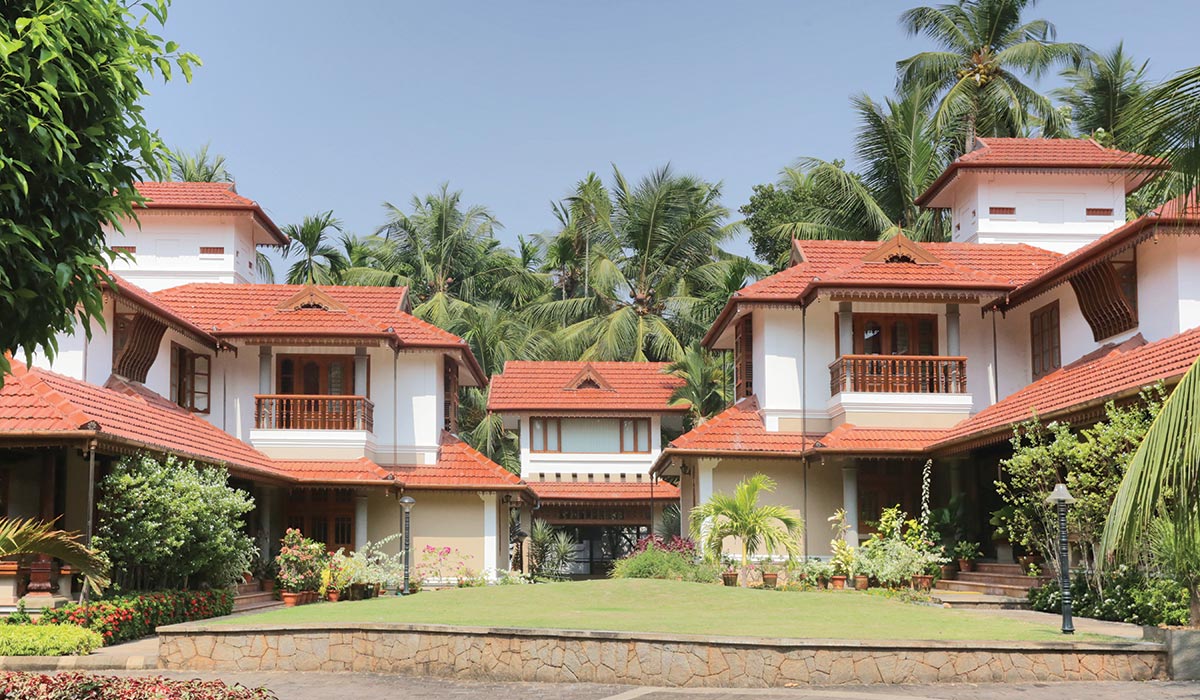
Often drawing inspiration from the rural Kerala archetypes - be it the lush green farms and paddy fields, the beautiful backwaters or the seaside villages along the Arabian coast - my architecture is essentially a reflection of my love for Kerala’s rich cultural heritage. With skilfully constructed stable sloping roofs that display a rich craftsmanship combined with a class that is expressed through the incorporation of a rich material palette, I believe my buildings are in a sense modern, combined with the spirit of old-world charm. To sculpt the structure, I use materials that showcase a subtle richness, such as plastered walls and Mangalore pattern tiled roofs, in combination with intricately carved traditional elements that help provide a sense of finesse, creating buildings that are not only a display of elegance, but also a space that is capable of creating memorable experiences. On completion they portray a feeling of timelessness, leading you to a bygone era, reflecting less the work of an architect but rather the prowess of the craftsman and the tradition of an earlier time, with a perfect harmony of indoor and outdoor spaces achieved through the strategic play of materials and texture.
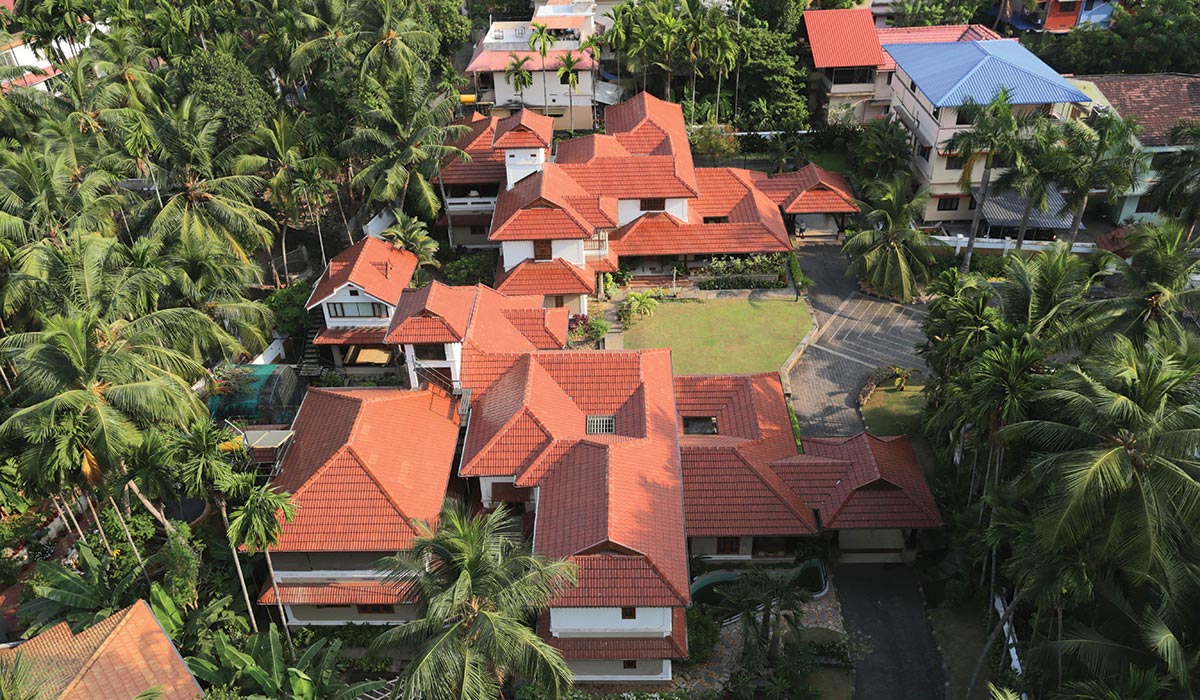
As we are fast approaching an experimental era where the architect is swamped in new materials and techniques, I believe in looking towards the past to build for the future by drawing from traditional Kerala architecture and reinventing it to suit contemporary needs, thus creating architecture that speaks to its surroundings.
Prof. (Ar) Charanjit Shah Creative Group
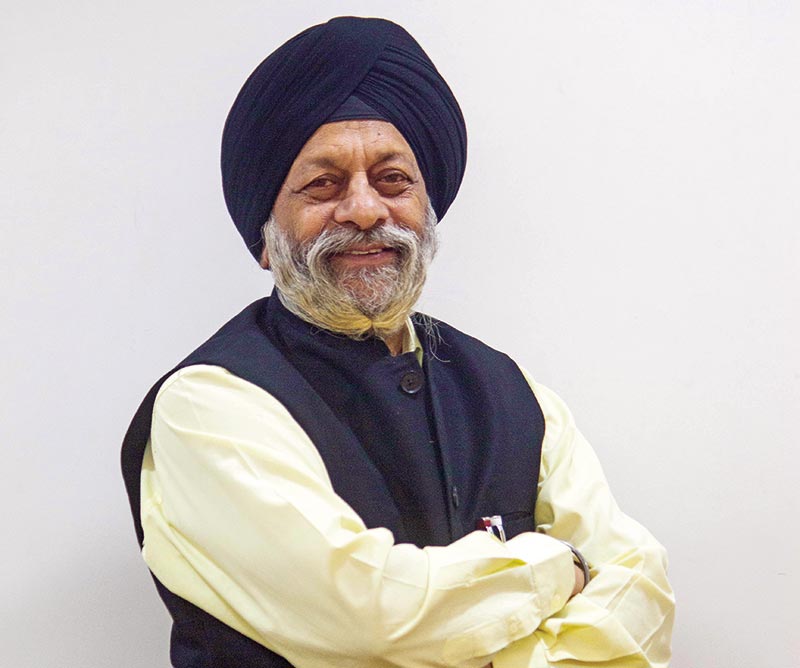
Since the inception of my career in 1970, I have believed that a built form should not be treated as a dead mass of brick and concrete, but as a living organism, allowing it to breathe with nature. Only when one respects the site conditions and existing natural resources, one can build nature-friendly and sustainable buildings.
I’m deeply impressed with great masters like Laurie Baker, Le Corbusier and AP Kanvinde and have tried to learn from their works and ideologies. Today, we are moving not only towards designing buildings with sustainable means and passive strategies, but also moving towards net zero developments – where nothing is imported from outside – from water to electricity to solid waste management – for becoming completely self-reliant.
Mother Earth is the biggest teacher we have. The sun, the wind, water and earth – all the natural elements give us inspiration and influence the way we design and work. So does our history and traditional knowledge systems. Our Indian architecture has all the principles and values and the most powerful influences which inspire me to create designs that speak to the soul.
In the profession, one needs to look beyond architecture. It is not the rituality, but the spirituality which matters, in a religious discipline. Similarly, the romanticism of the profession may be a sincere attitude which converts to the best aptitude. Dreams transform into thoughts and thoughts into vision and vision becomes reality. This is my mantra to bring authenticity in work.
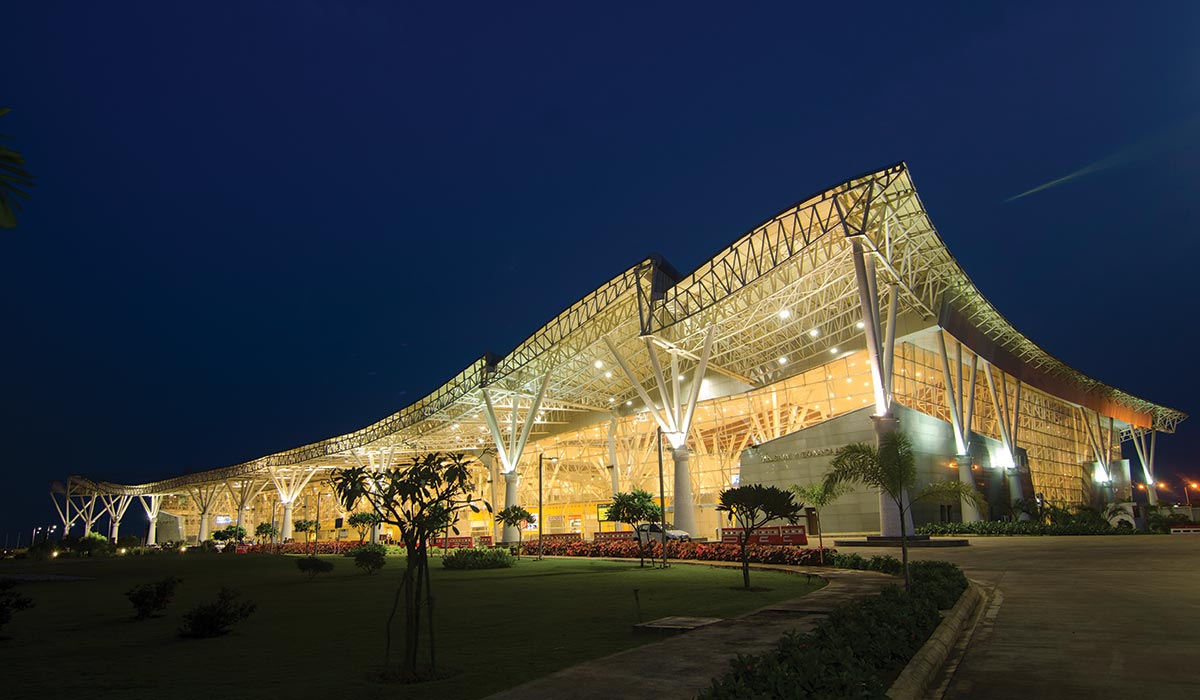 Swami Vivekananda Airport ; Raipur
I have always believed that sustainability is not an ideology but a way of living. Therefore, promoting and designing for a greener architecture is my priority. Use of various passive and active design features is what we have aimed at since the past five decades, and now we are moving towards net zero designs which aim at making any development self-sustainable and efficient.
While designing, the site’s topography, climate, solar and wind movement, the cultural connections, etc, play a major role in the conceptualization of the design. Designing for sustainability is not a challenge but should be an in-built passion to create built forms which are grounded in nature. If our process of thinking and designing is based on principles of nature, it would automatically lead to environment-friendly architecture.
Ar. Iqbal Chaney Chaney Architects
Whether function follows form, or form follows function, is still a point of discussion. At Chaney Architects, we have tried both these principles. We have enjoyed creating forms to carry out the functions, as well as the function that dictates a specific form. In either case, the result is a representation of our philosophy. Whether using an FRP screen facade to reduce the solar heat or provide curtain wall glazing for a clean modern design, our approach to design is a representation of our thought process. We try simple elements that are in harmony with nature. We believe sustainable architecture is and should be an integral part of any good architectural design.
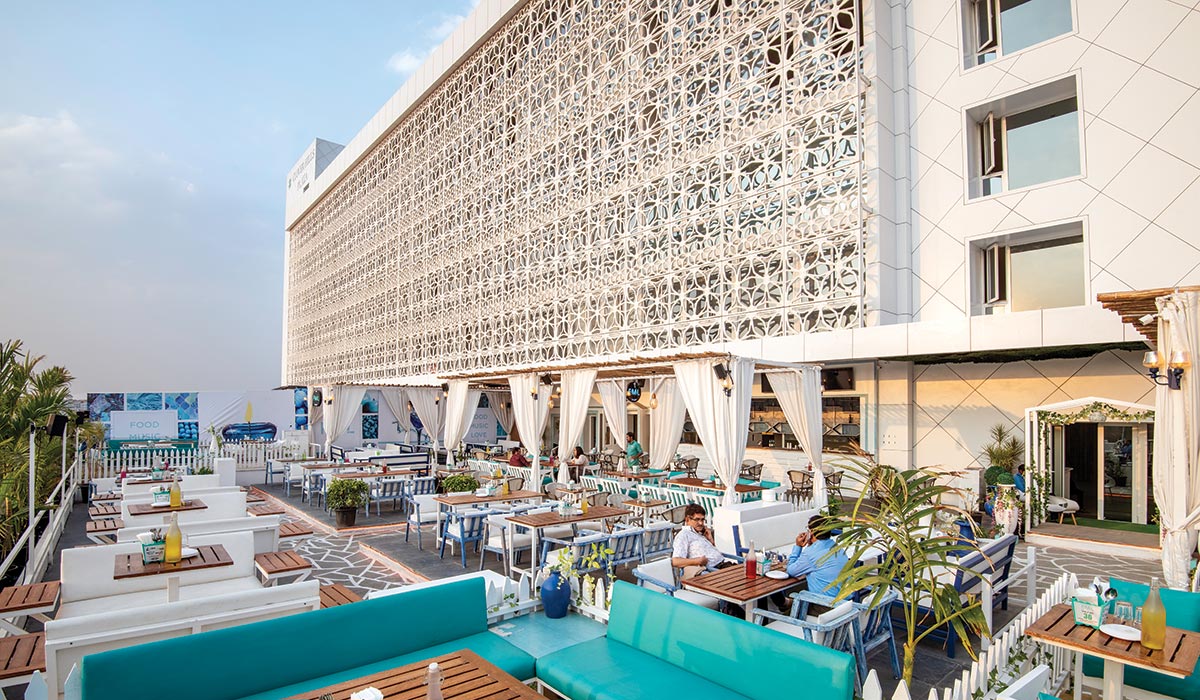 Clover hills plaza
Pristine yet functional elements in our projects are testimony of our design approach. We integrate both outside and inside spaces seamlessly, in fact, our interiors are an extension of the exteriors, thus creating balance. We introduce the theme of nature in our healthcare projects to assist the healing process; this is depicted in the form of prints and colors on wall coverings, etc.
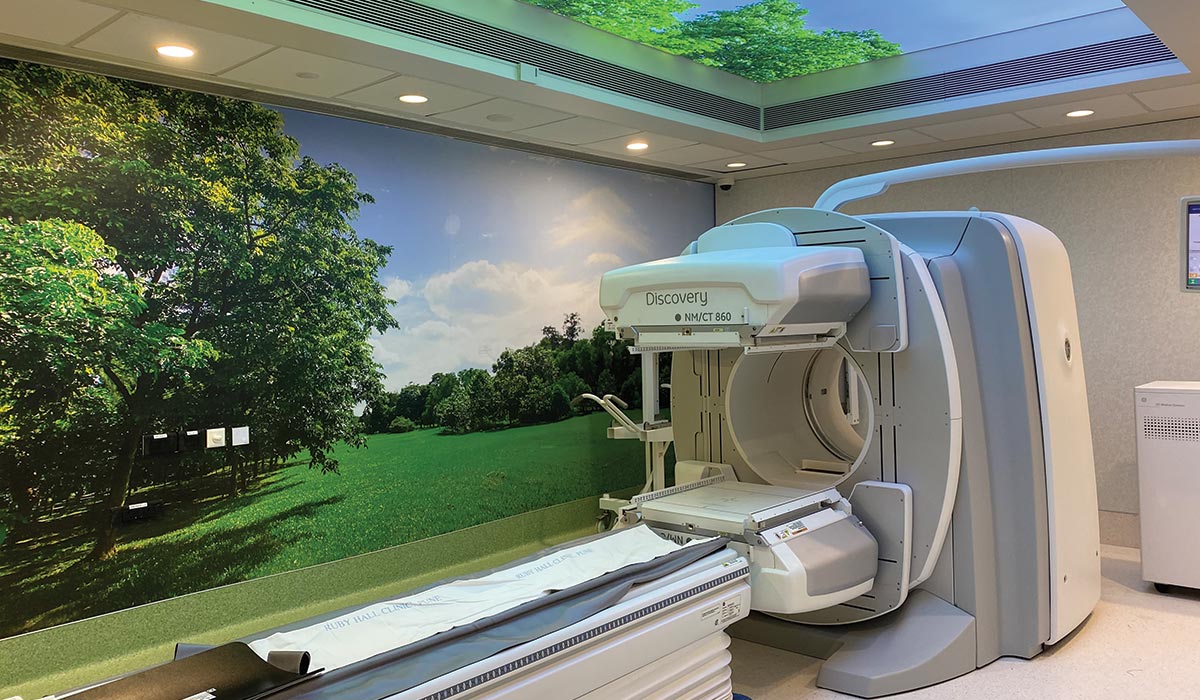 Super Speciality interior SPET
There are challenges in every project. Overcoming them with a good functional design requires a level of integrity and honesty of approach. Although we value the use of technology in our profession and acknowledge the considerable difference it has made, we fear that overuse of technology may cause us to lose out on exchange of ideas. This is because we are subconsciously drawn to pre-formed ideas and ready references. There is tremendous pressure to perform in a limited time frame thereby losing out on individual creativity. This is the biggest barrier to original thinking.
Ar. Dikshu C. Kukreja C.P. Kukreja Architects
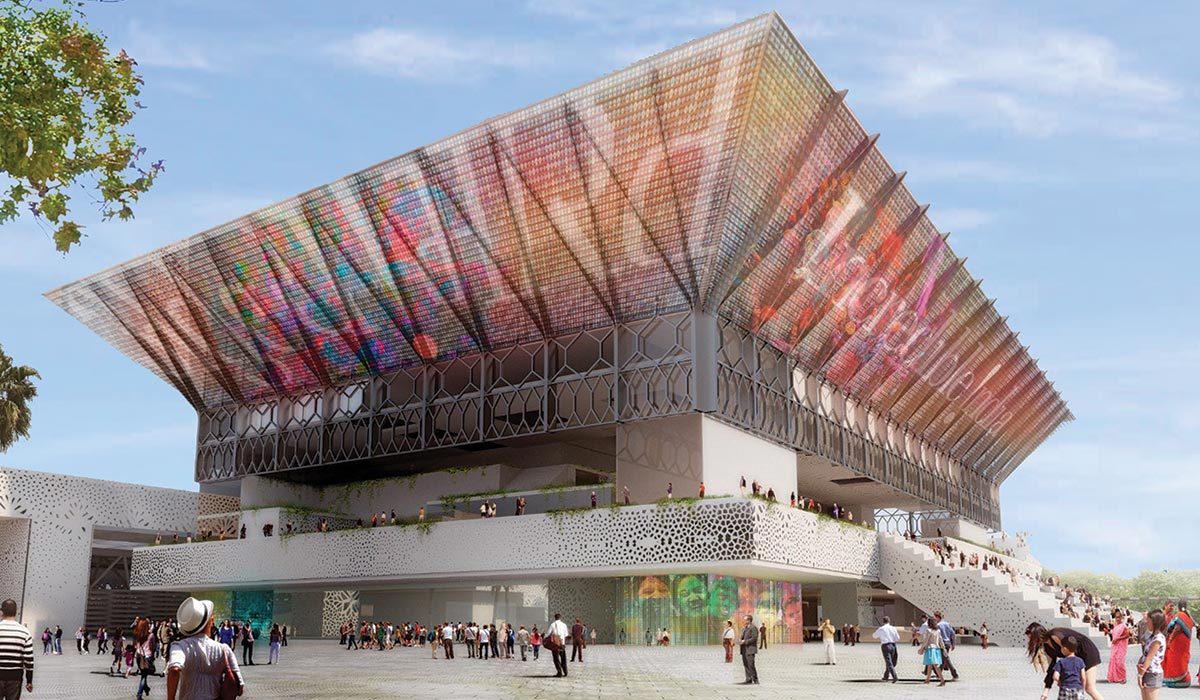 India International Convention Centre, New Delhi
To me, air and water are two essential elements for our survival. And as we look around, we realise that more and more cities across India are very soon going to be unlivable. With this kind of an urban environment, it is imperative that we raise our standards and, with a sense of urgency, rethinking our architectural approach. It is this fate of the environment and the responsibility of our profession, which has made us think hard in pushing the boundaries of excellence in environment-friendly design. Our primary objective today is to create architecture that is a collective of all these blended seamlessly as a physical manifestation with the existing geographical setting and at the same time containing within itself a strong potential to live up to the future developments and urban standards.
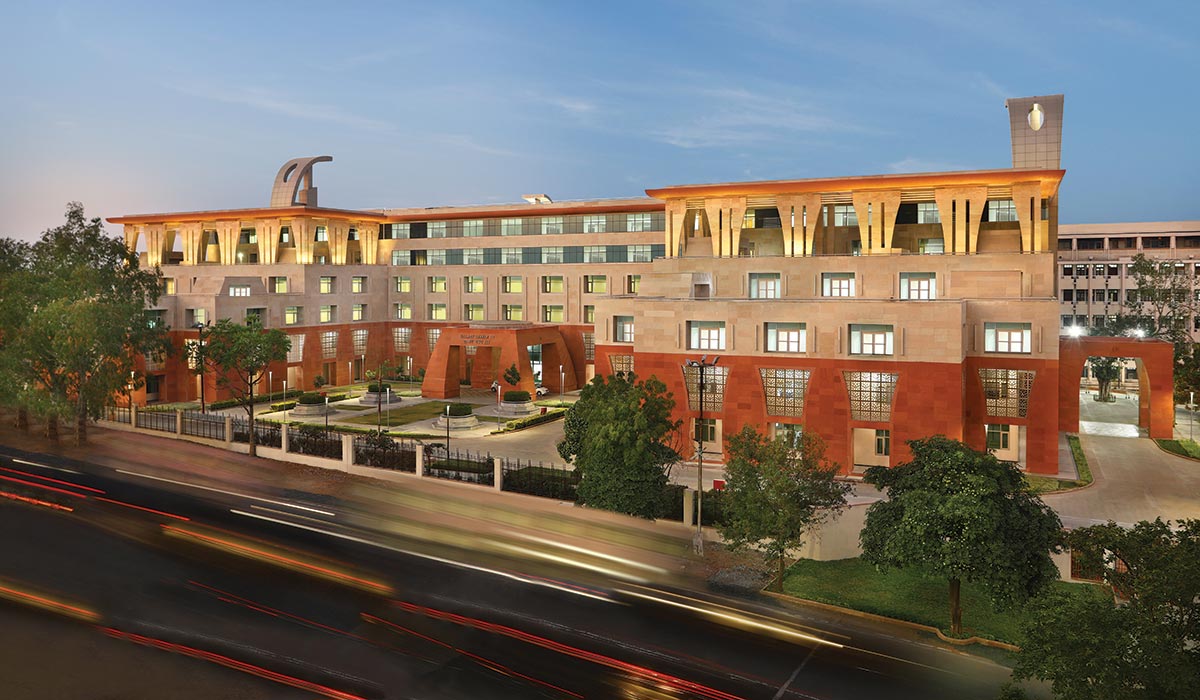 Vallabh Bhawan Secretariat, Bhopal
Ar. Lalita Tharani & Ar. Mujib Ahmed Collaborative Architecture
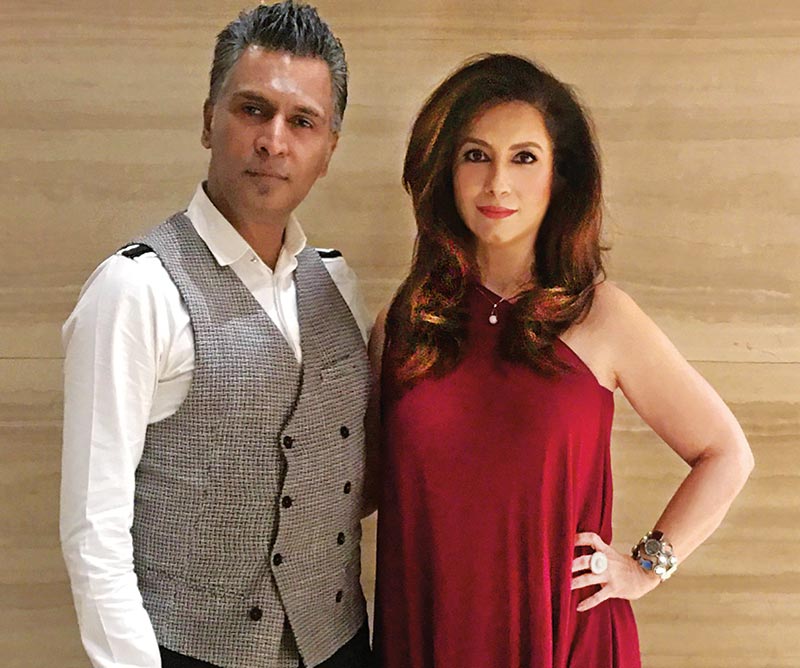
Early in the practice, we knew the importance of design that transcends time - what we call as ‘Design Life Cycle’. We, at Collaborative, are obsessed with our process, and subscribe the design direction to that process we adhere at the studio.
Radical Innovation shaped most foundational works of the studio and defined the practice in formative years. This approach in early phase also galvanized into a design thinking that helped our practice to step out of program, to create architecture that has deeper meaning and goal that went beyond its functional contingencies, styles and trends.
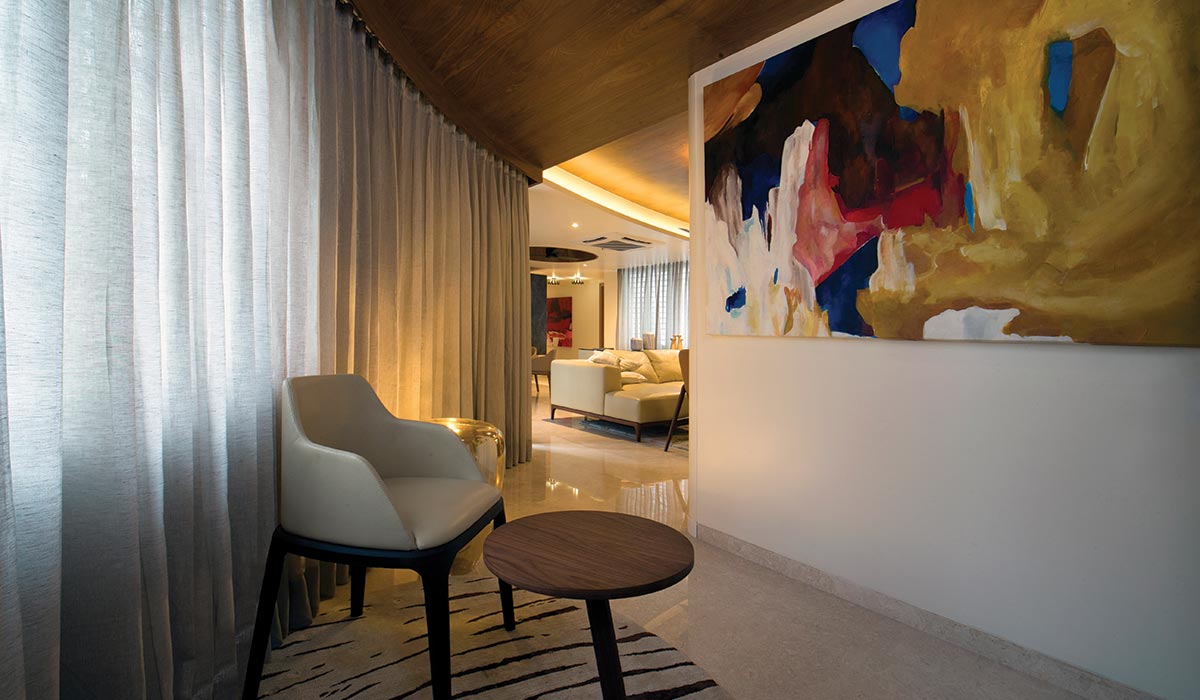 PVS apt - Calicut
The notion of ‘Scale’: We do not even call it interiors, for us architecture and interior are the same. Both are results of the same speculative creative process. The notion of change in scale and detail is a misnomer - as a good architect, you should be able to zoom in and zoom out. It is Macro and Micro at the same time, be it architecture or interior spaces you deal in.
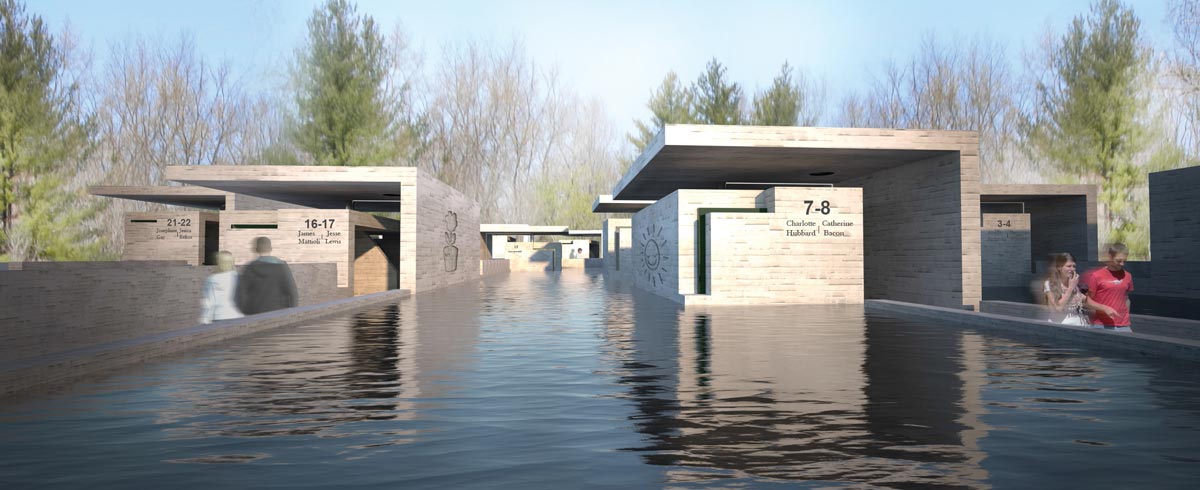 Sandy Hook Memorial, Connecticut, USA
Technology is something we are passionate about, and at ease with in our practice; it is not employed for technology’s sake, but for reasons that could lend the project to achieve strategic goals defined by the brief and economics of it. But is technology, the soul and defining element of the architectural enterprise and production? What happens to architecture, when the technology which was central to it, becomes obsolete? Materiality - is it minimalist or maximalist? Where do you draw the line? Our works are results of these enquiries rather than a straightforward programmatic evolution of the brief. Or stylistic!
Mohanbir Singh, Maninder Kaur, Ravideep Singh CDA
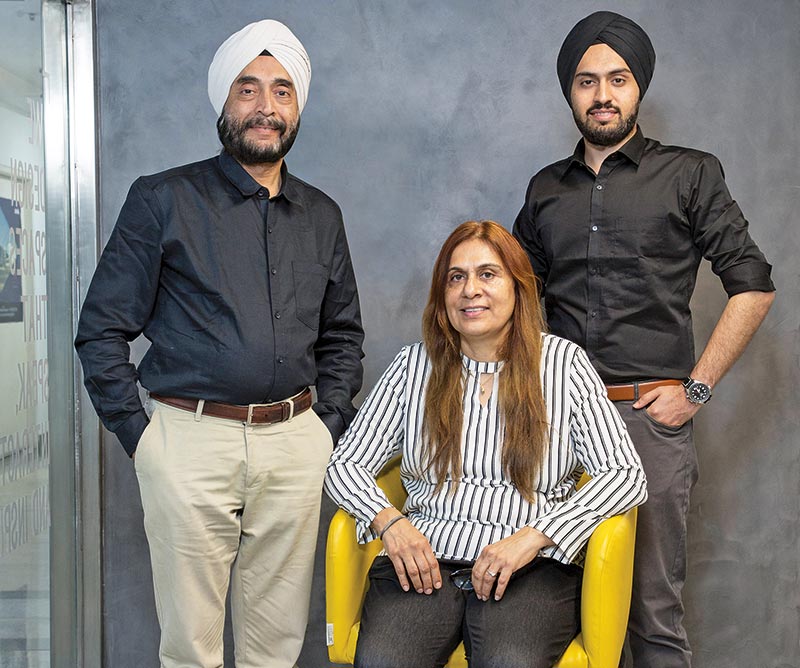
We at CDA strongly believe in the communicative ability of architecture, which is essentially the intermingling of innate human senses with the encounter of built environment. Often referred to as semiotics in architecture, This is a realm heavily contributed towards, by theorists De Saussure and Charles Pierce, where they discovered that the science behind the social discourse of architectural styles should be based on a widely agreeable social contract, of plurality of its end-users.
One of the most important steps to realize this vision is to identify the audience and their connect. Every piece of architecture would have distinct end-users which makes their design responses unique. We believe that there are multiple ways a building could emanate its intended meaning, for example, it could be an experience oriented spatial stimulus wherein the architecture employs tools of light and shadow to convey feelings such as vibrance, darkness or confusion; or it could be the visual allegory wherein a building symbolically relays its intended vision or function to its audience through a symbolic interior or exterior design.
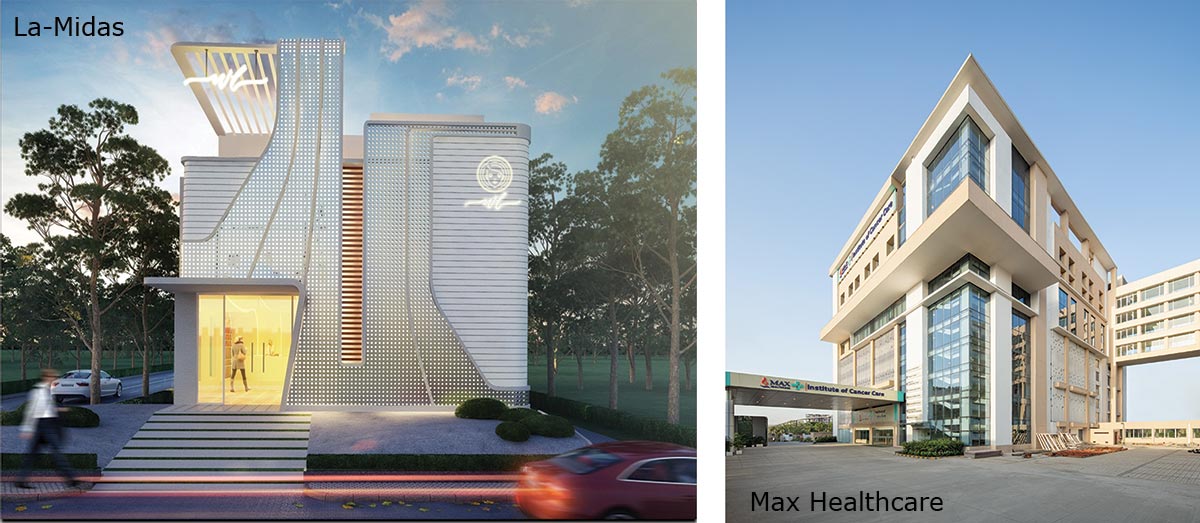
We believe that a successful piece of architecture is definitely the one which its audience accepts and relates to. At CDA, we are always excited to employ our projects as exciting opportunities to create devices of communication which could be received by a wide latitude of its end-users with admiration! (Text by Ravideep Singh)
Ar. Nilesh Bansal Chaukor Studio
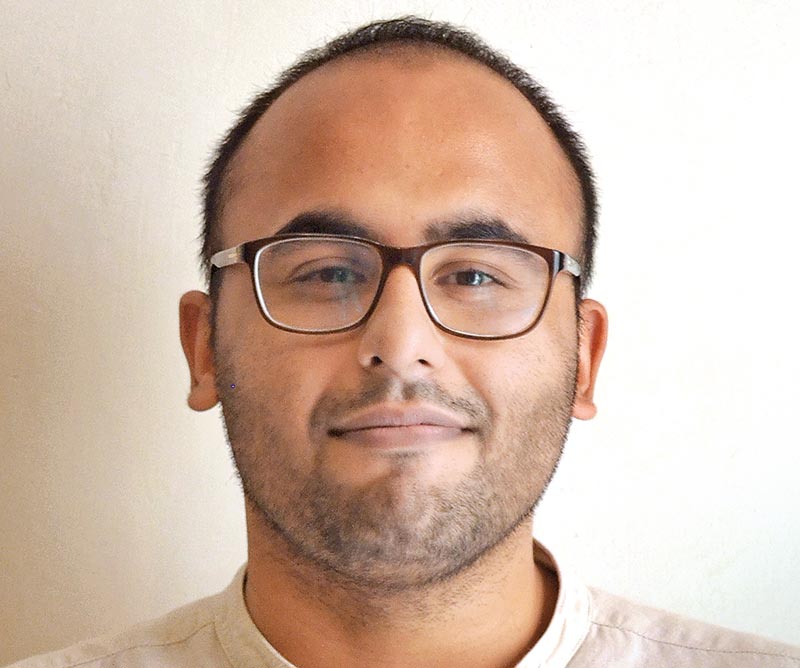
For a better understanding on the subject, one can look at it this way - The core (Traditional Humanistic Patterns) of the system/building structure is made from centuries-old processes and experimentation that generate life. And only the peripheral fringes of this core are kept flexible that change with the time. These peripheral fringes can also be identified as Architectural Styles that are unique to each time period in the history of architectural evolution. But the true core of architecture has remained intact - only slowly evolving with time. This core of architecture comes into the transition of evolution, only when a peripheral pattern is able to bring about a life pattern to the building process. If this peripheral fringe (Architectural Style) is able to generate life in a repeated manner, it eventually becomes part of the core (thus evolving it in the process) and is then transferred to the next time period.
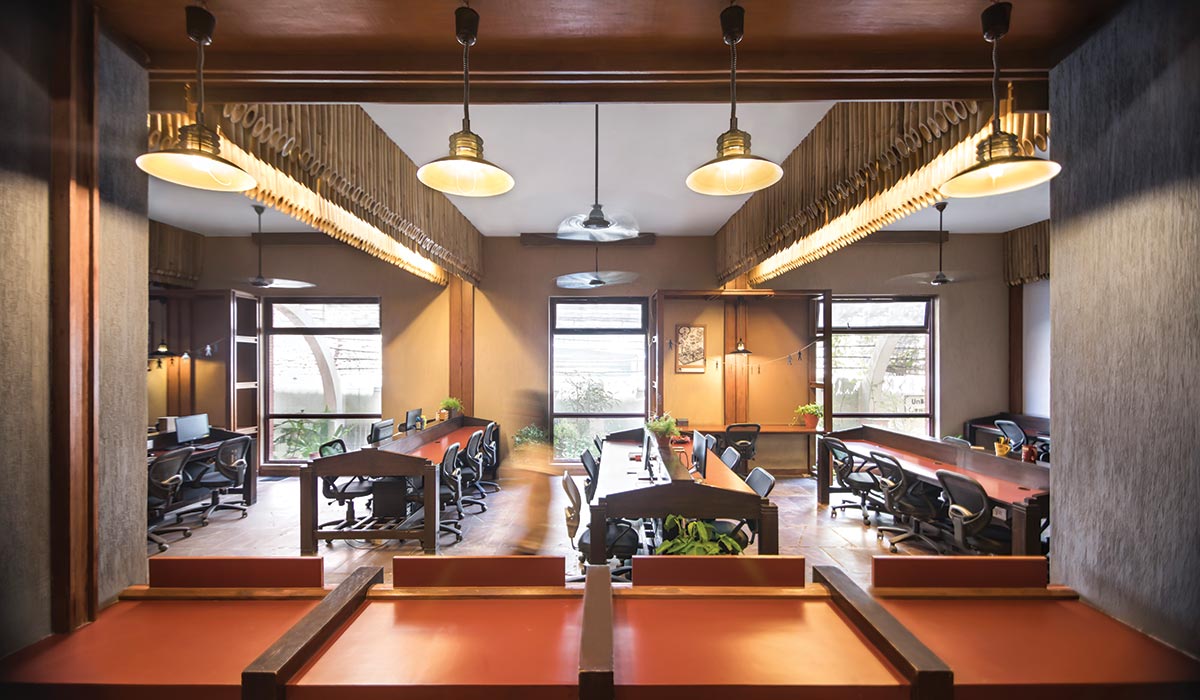
At Chaukor Studio, we strive to generate such patterns and environments that support and revitalize the living processes taking place inside the buildings’ structures. These patterns are thus generated from the core and not through peripheral fringes; so that they have the capacities to evolve into various architectural styles and tend to the various needs of the times.
We call it – Regenerative Architecture.
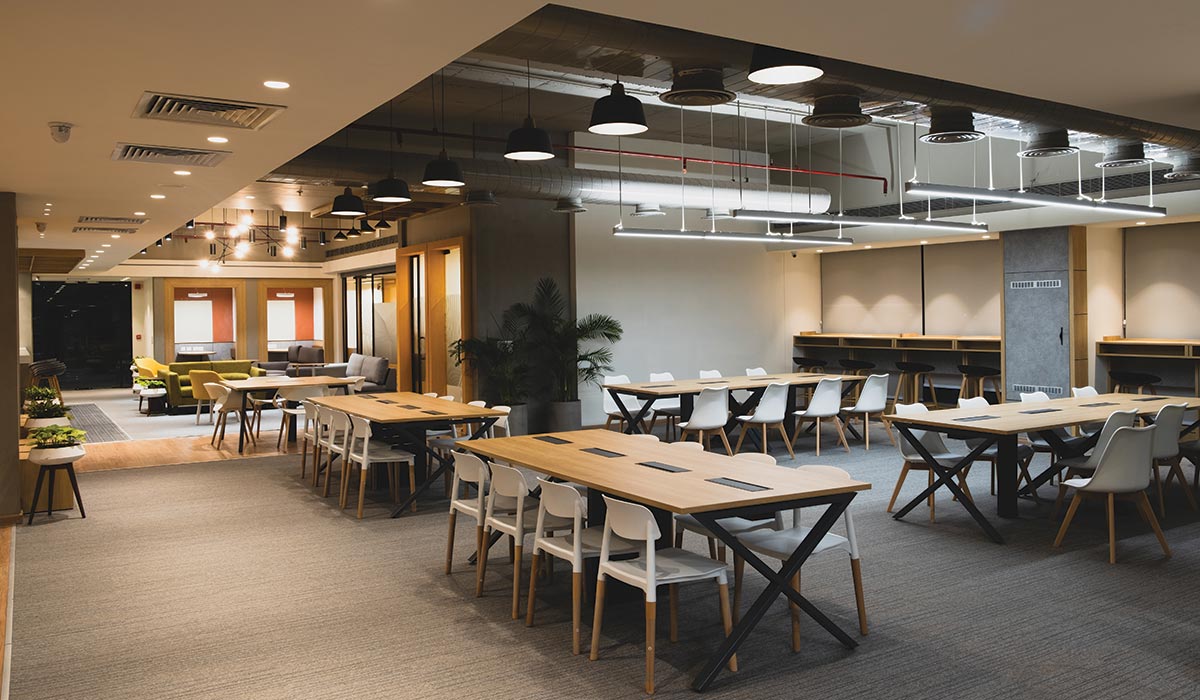
Ar. Anand Sharma, Ar. Anoj Tevatia, Ar. Goonmeet Singh Chauhan Design Forum International
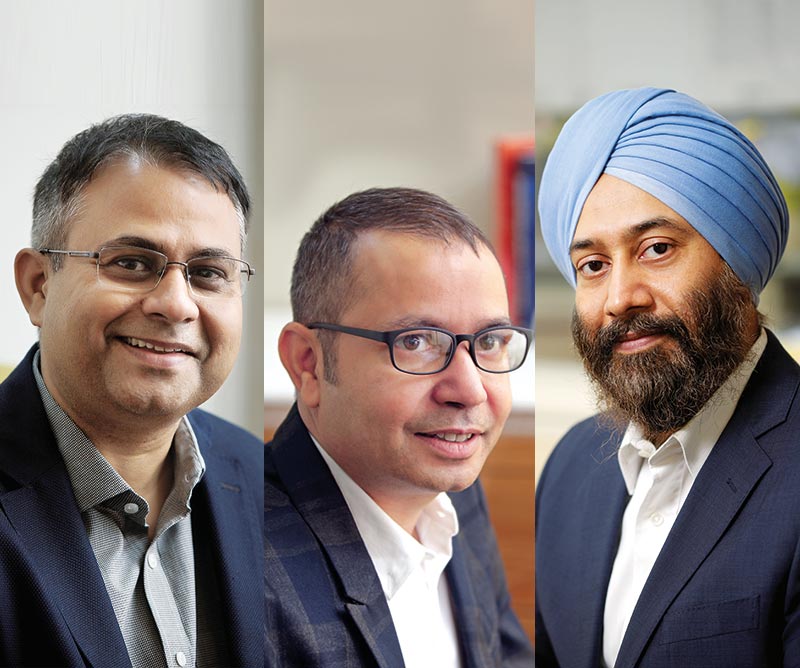
Central to our ethos is an appetite for contextuality, sustainability and buildability. One of our greatest strength is our 3-way approach while addressing the challenges of individual projects - enquiry, discovery and understanding. Our perspective to each project comes from an innate desire to address and answer the challenges in the spirit of innovation.
With more than 20 years of experience, we work creatively to execute tasks with a deep sense of optimism and passion. Our current efforts are in the direction of revival of existing conditions, which can be witnessed in our projects ITO Skywalk in Delhi and Dakshineshwar Skywalk at Kolkata that cater to the busiest roads of the two metropolitan cities. Tapping into local ecology, human culture and socio-economic fabric; the design strategy of these projects presents a continuum to city’s heritage and resources, with the employment of advanced engineering and innovation.
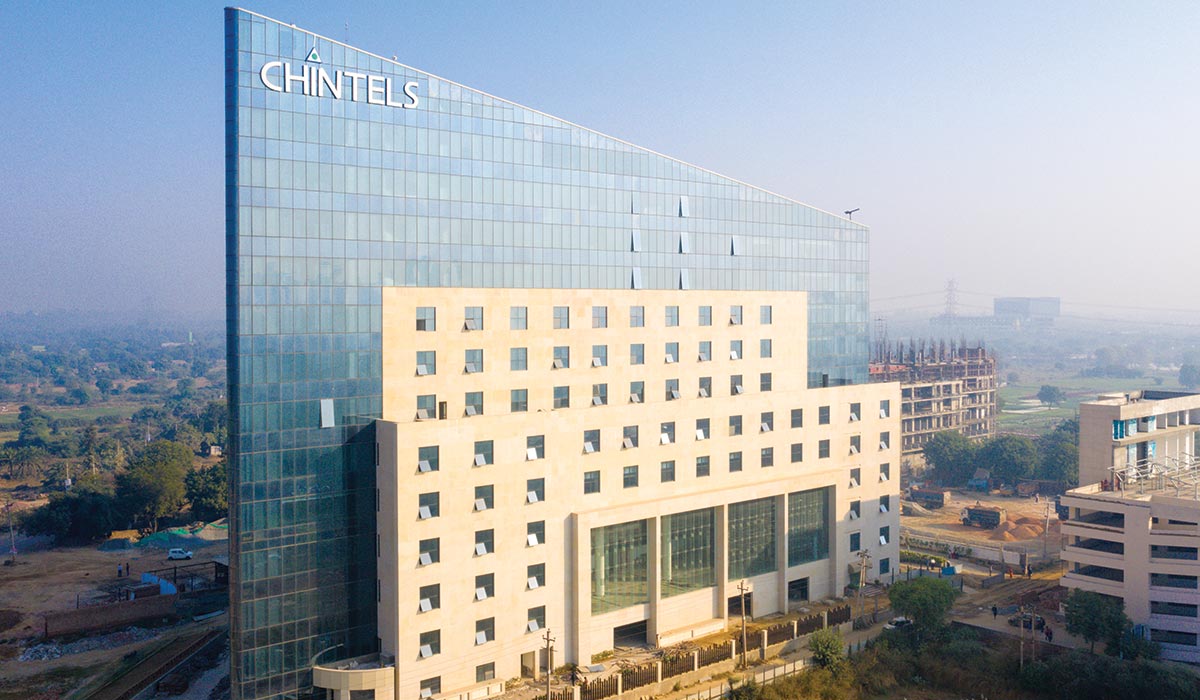
Architecture of Conscience. Connection with the past should not be limited to relics but to revitalize historical buildings, retrofitting them for the new generation. Architecture is a source of communicating memories, but architecture of the present should communicate values and a sense of place. The only constant that will connect us to our history is our tangible architectural heritage. Deeply respectful of these principles, the design of our project The Delhi High Court is an expression inspired by the ancient architecture of Lutyen’s Delhi. The design of the annexe respects the imprints of the past – whether in the eaves drawn from old architecture of Rajasthan or in materials like sand blasted Dholpur stone and Red Agra stone that blends with the National Gallery of Modern Art in the vicinity.
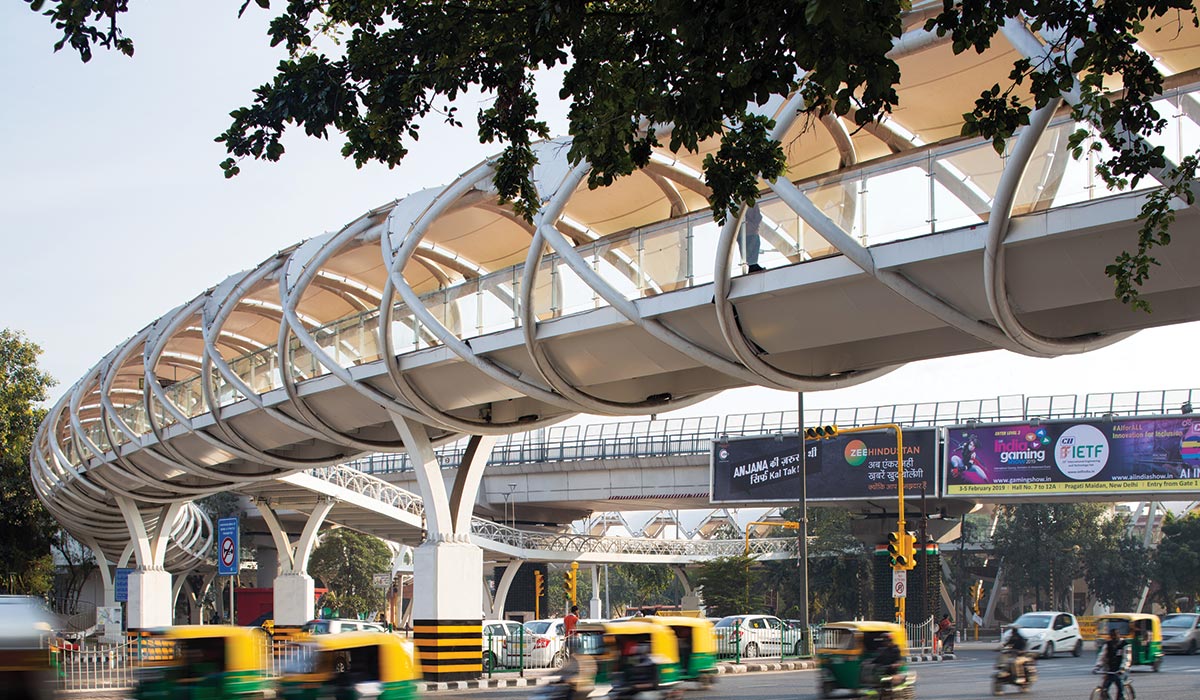 DFI ITO FOB 19 01 29 © andre j fanthome
Ar. Sanjay Goel Designex Architects
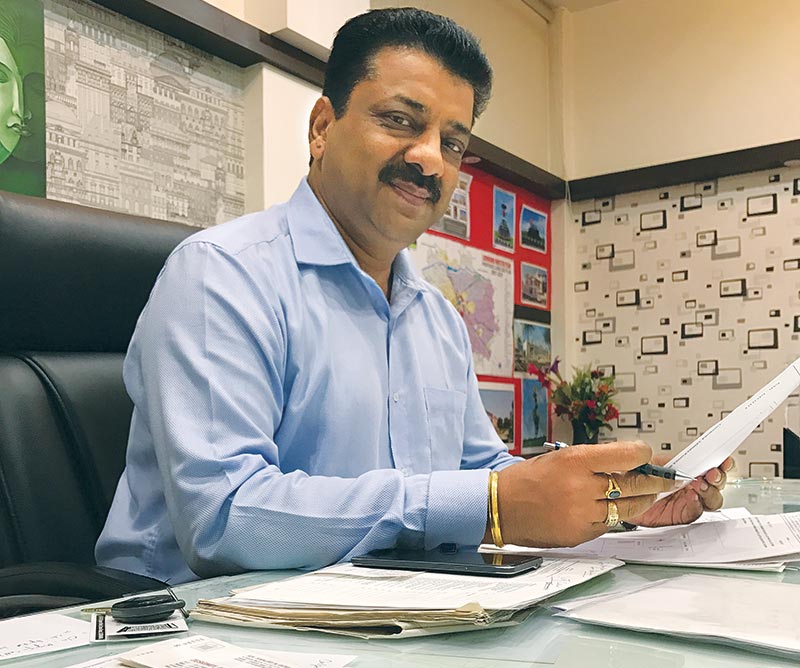
Planning of the building must be as per the requirements, and be Vastu compliant as much as possible, and as per the by-laws. Facade design must be attractive as well as easy to maintain. Method of construction should be modern so as to save time, money and energy. Choice of building materials must be from sustainability/green buildings’ point of view.
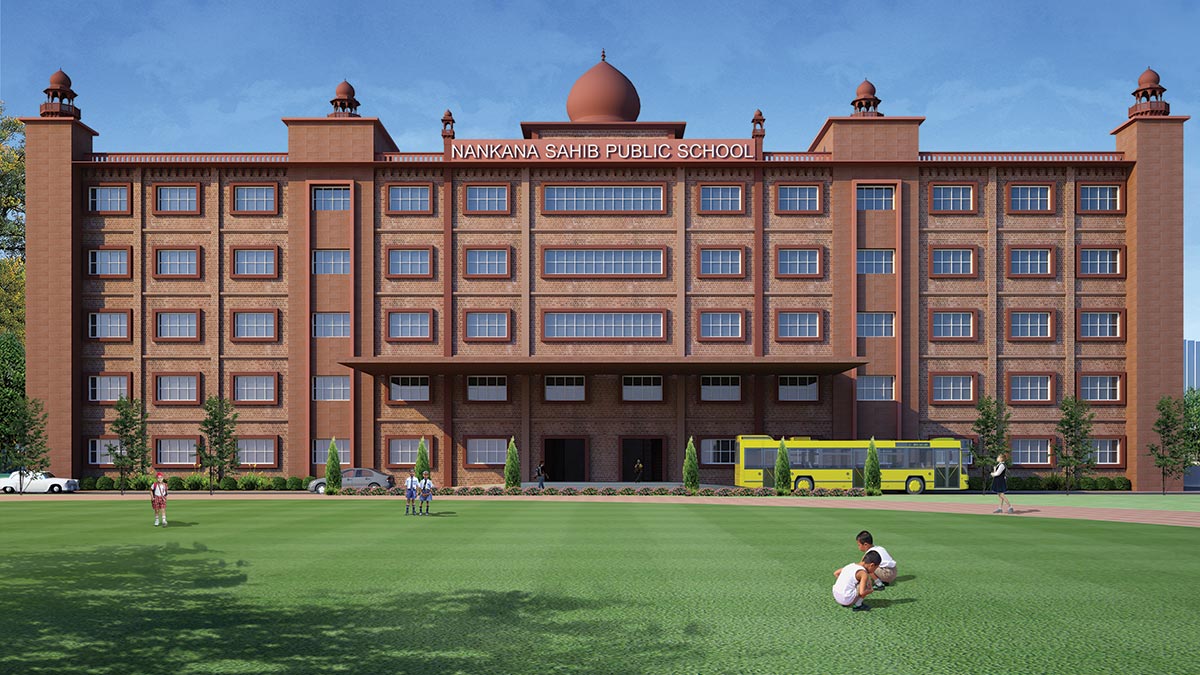
I personally prefer focus on maintaining the original character or any other peculiarity, so that a maximum number of people like the building always. For instance, the under-construction Nankana Sahib Public School situated at Gill road in Ludhiana, has spiritual value in the minds of the local people due to its religious significance with the word ‘Nankana’. So, the building elevation is designed to represent Sikh Architecture with elements like domes, chajjas, minarets, bold material finishes, etc. The building layout has been designed as per the composite climate in which the Punjab region falls by incorporating courtyards to regulate the air flow.
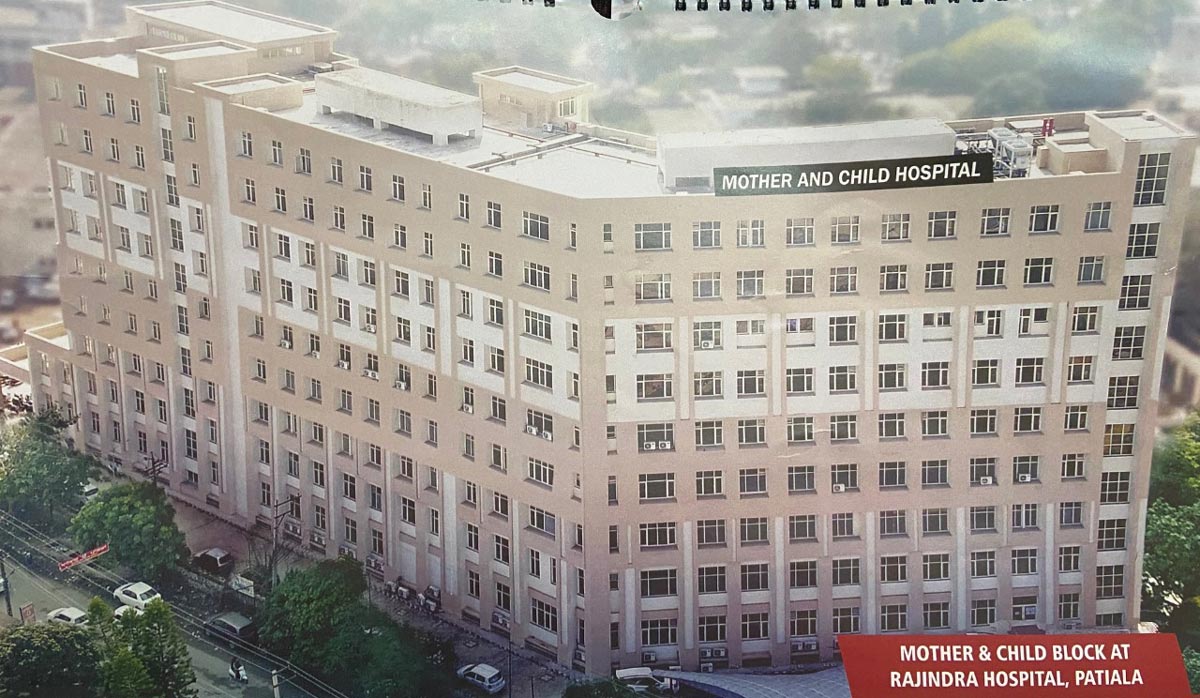
The fully completed five-hundred bed Mother and Child Care Hospital at Rajindra Hospital in Patiala, was designed keeping in mind site constraints, building by-laws, hospital services, local materials, and eco-friendliness.
Ar. Nilanjan Bhowal Design Consortium
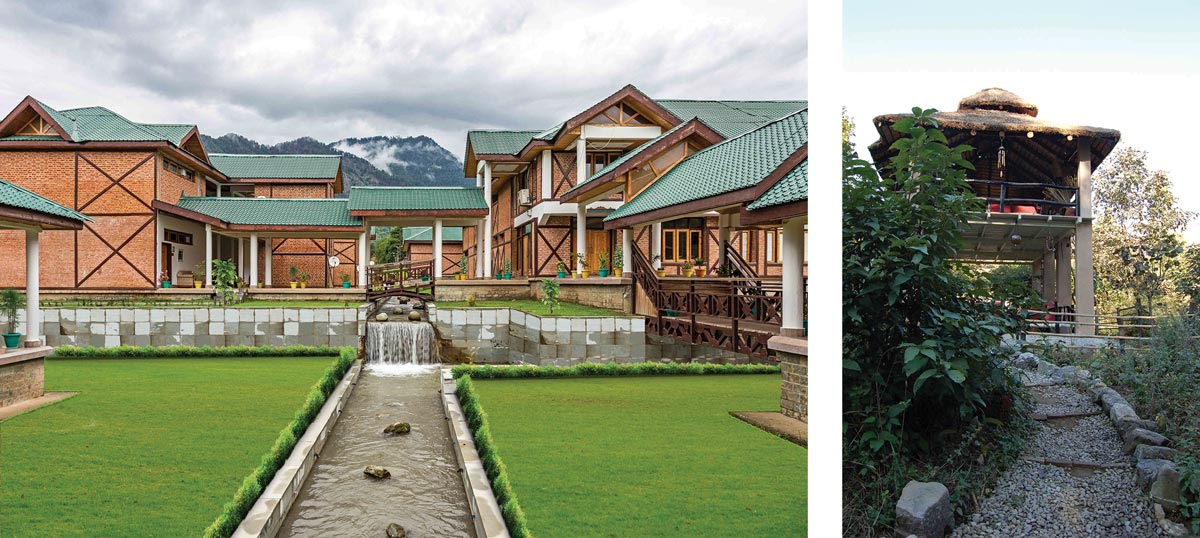
My design philosophy is Minimalistic and inspired by Nature. I strongly believe that going green and building zero-energy buildings is the way forward. My firm initiated green projects like Green One, which is the first individual residence in India with a certified 5-star SVAGRIHA rating, and The Nest in Gurgaon which is also the first to receive a IGBC Green Homes Platinum Certificate.
My office is designed as a green workspace with interlocked levels set around a green courtyard, creating a collage of local materials fused with contemporary design incorporating principles of green architecture. The earthy workspace atmosphere with well-lit multilevel spaces blend into each other and break the monolithic image of a workspace with a striking yet organic visual appeal.
Ar. Ravindra Verma Design Accord Consultants
The current state of architectural design is trending many contemporary ideas of what defines unique and unusual, but with visually and spiritually inspiring geometry supported by strong computer software. I believe in this experimentation but within the realms to explore purposeful architecture through various techniques, delivering meaningful buildings that exhibit a message of cultural relevancy.
All buildings, in my opinion, must firstly be designed to provide shelter from the elements and to keep the right temperature. Everything else should be a special effect that energizes the people inhabiting the space and provide a purpose to further the needs of the site.
Buildings should be relatable to the average inhabitant, be cohesive with ideas, and be inherently performance-oriented. I do not believe in judging a building on its uniqueness, or departure from the past – even though these may be of good qualities. But an architect must rely on its efficacy of form and material usage with reference to context and human occupation, which, according to me, is a more purposeful architecture.
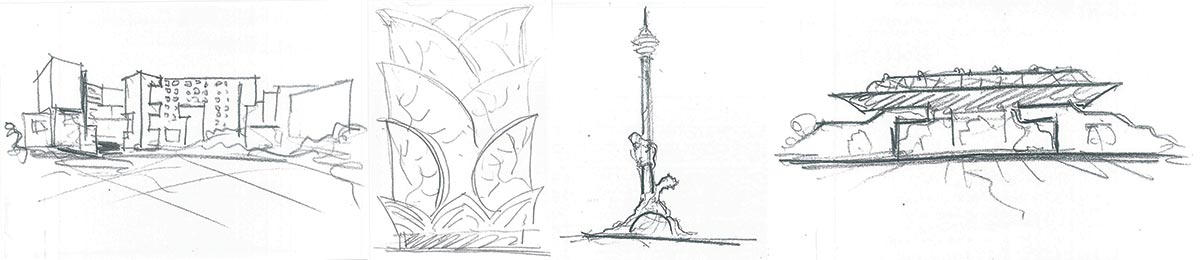
I would also like to add here that sketching is the first step in starting a project and something every architect should do, as sketching lets an architect help breathe life into a project. A sketch is a powerful tool as it is the seed of the thought behind the whole concept that ultimately transforms into a building. In fact, designers in all fields that require something to be created afresh, will find sketching a very handy tool. The wonderful part of sketching is that one is not required to be an artist. Sketching is a skill – not a gift – and with time and practice, anyone can become proficient enough at it.
My sketching technique has evolved over the years with practice. Relying more on this tool, I now have a style that I believe may be recognizable as my own – and that is exhilarating to me. I also admire digital technology. After all, that is how we get our concepts approved from clients.
Ar. Himanshu Patel d6thD design studio
I understood vernacular by some of the fundamental attributes and characteristics that it brings. One characteristic attribute is that it has evolved out of the conditions of the place locally and the second attribute is that it has continued to evolve over time. Thus implying, the particularity to place as well as evolution of time. Hence, vernacular is not about grandmother’s nostalgia or the reverence for the old; and so I call it ‘the new vernacular architecture’.
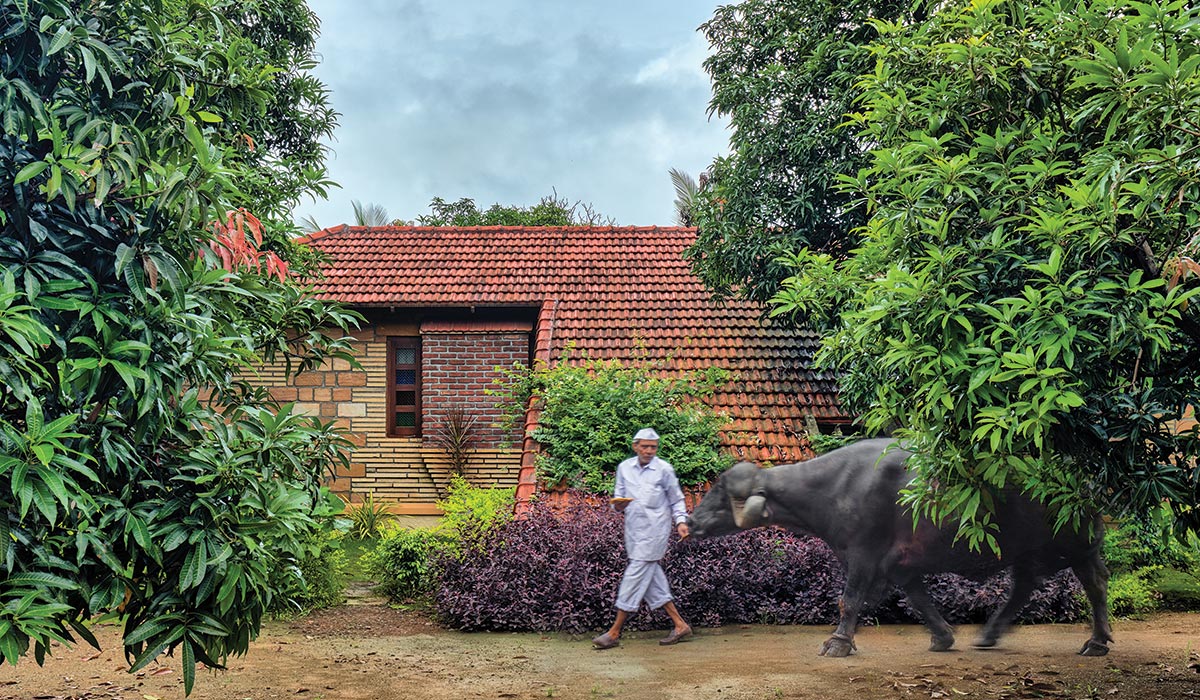
I always ask myself, what does ‘modern’ means? Can’t we go back to the past and carry on with that wonderful history of research and development by applying twentieth century knowledge, and show love and respect for all that has gone before us? And so here I am trying to be a so-called modern by using the research work done by our forefathers.
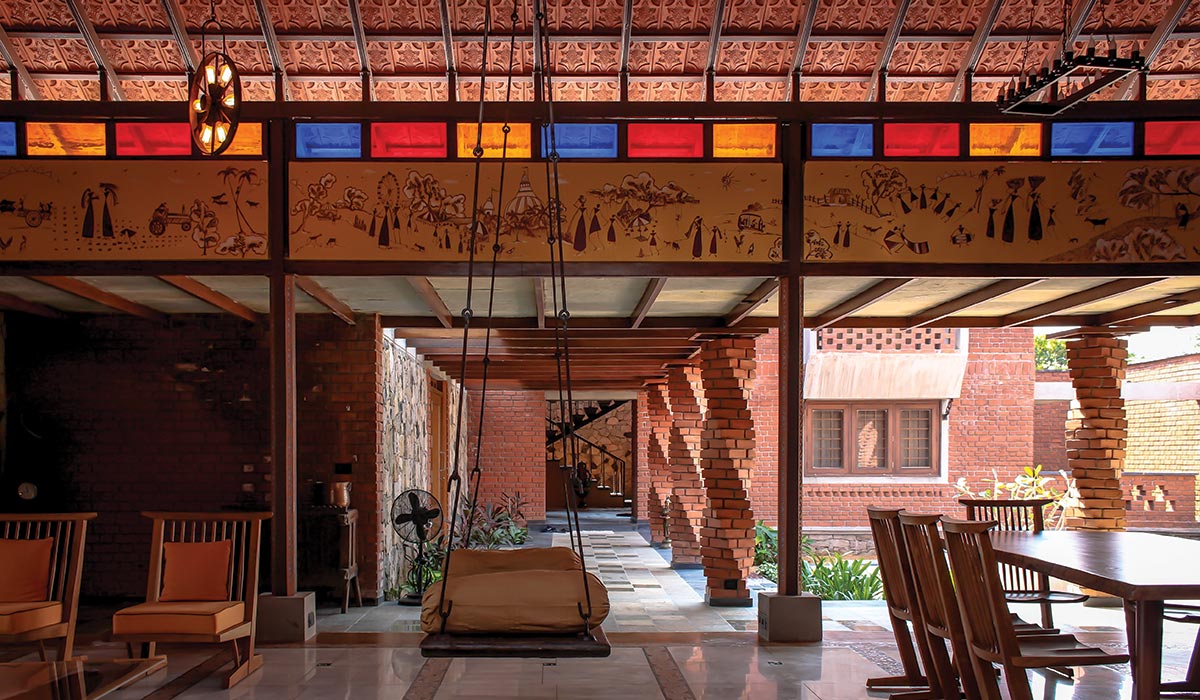
My design with honesty and truth in the choice of materials and the method of using them is the result of my inspiration from Indian villages. Simple life patterns with the values of village people who are content and happy even with the very few material possessions, left an indelible impression on my mind. My design, therefore, is always based on cost reduction techniques shown by vernacular architecture which gives better quality and an Indian identity. I strongly believe that Vernacular Architecture is not merely a style but it is an attitude, which carries with it a holistic lifestyle.
Ar. Pranav Iyer Ground 11
My style has also evolved as an organic and fluid collection of principles and elements, which together guide my design. Having started with a deep and abiding respect for the international masters, where each element of design comes together to fashion a symphony, my formative years were heavily influenced by a vocabulary of brick and concrete in their purest forms, unadorned and honest in their expression. Le Corbusier, Louis Kahn and B V Doshi were the principal conductors of that symphony.
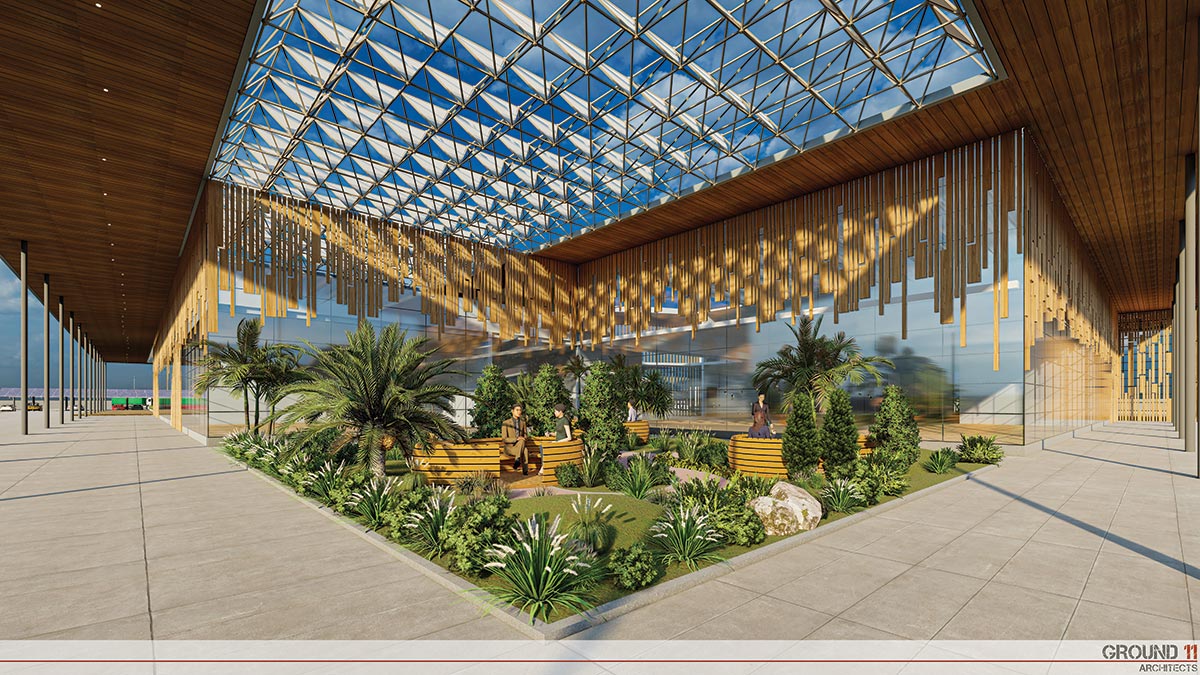
Over the past few years, influenced by advancements in not only material science, but also the functional and physical perceptions of space, I have allowed my style to become softer, and more inclusive in every sense of the word. I would define it at this time as being global in its physical form yet striving to be local in how it is perceived. Every project is designed within varied climates, for different communities, and in different materials, which presents a challenge where it may be easy to lose one’s identity by reflexively and blindly embracing local streams or rejecting pre-conceived notions without weighing them objectively.
I have striven, through design, to design functionally and communally meaningful spaces, with a degree of innovation that can be physical or meta-physical, where the physical vocabulary of the building serves as a mere tool to convey the idea of what it wants to be and what it wants to mean to its inhabitants.
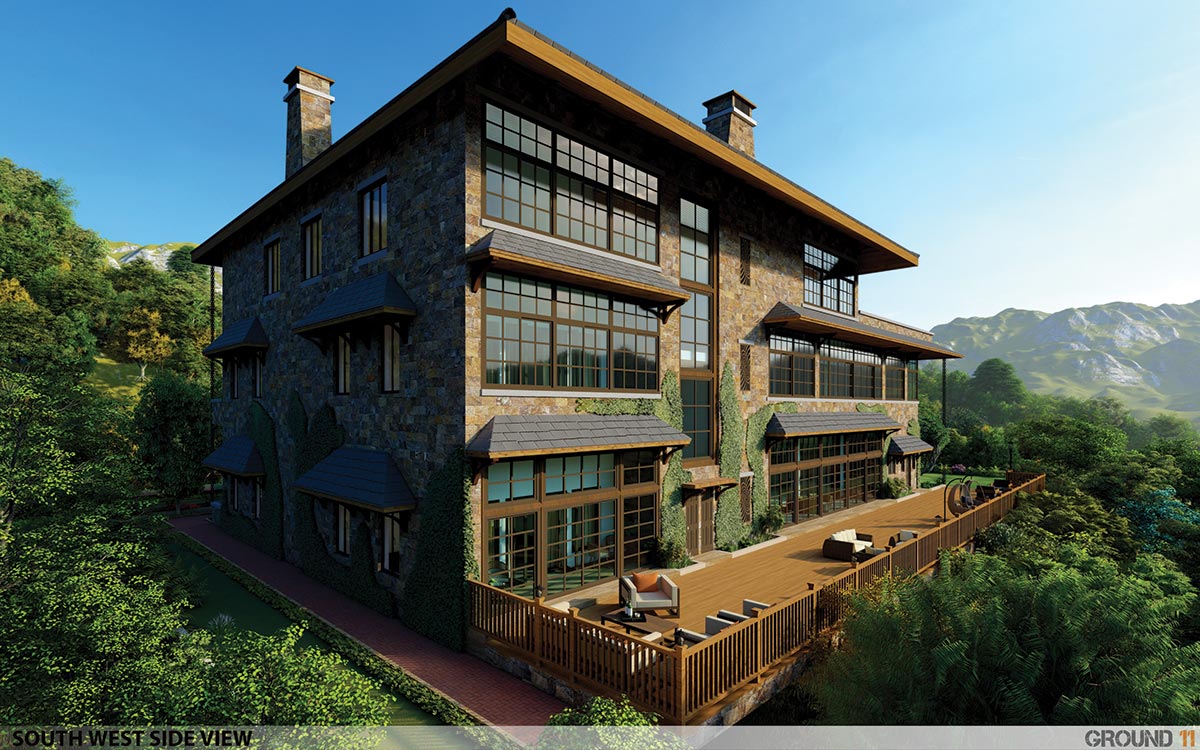
I also find myself being drawn to the materials that I grew up with, their textures and their flaws, their sheer simplicity yet their relevance across scales. Once we walk away from a set of guidelines that would be perceived as a ‘style’, a whole universe of design opens up, freeing me to respond to what talks to me in a project, and try to reply to it in its own language, with all its nuances and grammar. In conclusion, my style could perhaps be most aptly described as ‘contemporary sensitive’ or perhaps an architecture of Futures Past.’
Ar. Ishvinder Kaur Ivpartners
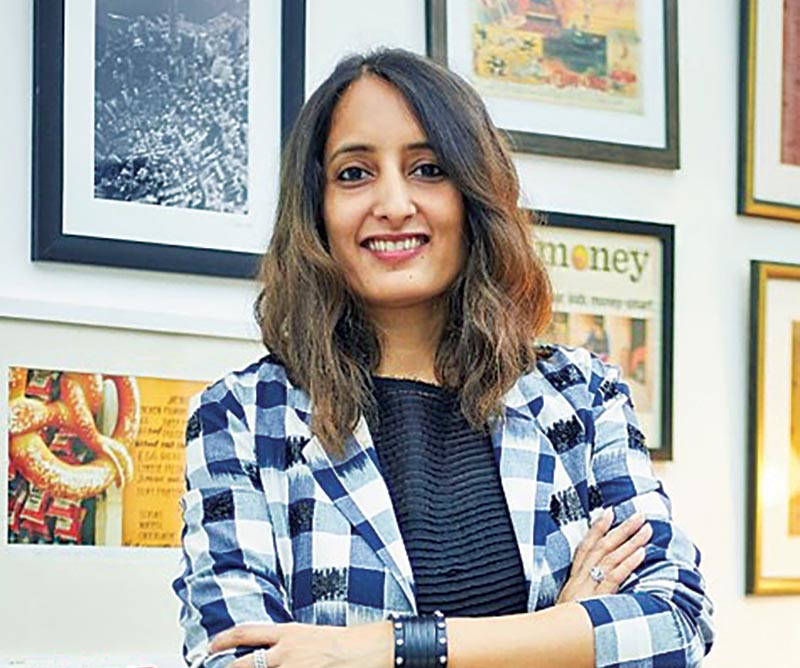
My architectural style has always been contemporary to curate a modernist design language. The intent is contextual and the use of distinct materials to create a different design language for every project is the ethos of my firm. All the projects we initiate are a representation of a brand-new story both in terms of design and its implementation. For me, it is imperative to begin with a concept and never tread the path of a generic idea.
Today, creating an experience is more important than ever before. I, thus, strive towards creating a rigorous engagement and emotional connection to the design. This quest requires an in-depth analysis of how people will interact with space which is then evaluated and enumerated to evolve a brief. A few standard elements that ensure an instant association with the users are signage, decor, and lighting that strongly align with the brand message.
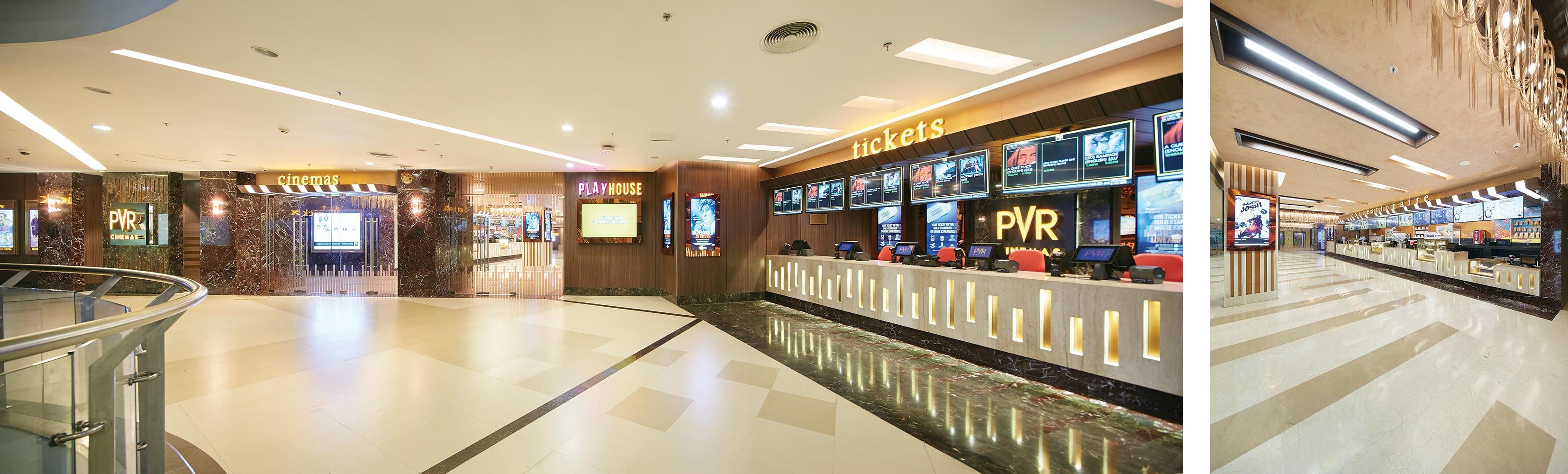
Since, experiential design revolves around the culmination of elements to form a recall and maximize footfall, more and more businesses and institutions are seeking experiential designers. With a surge of development in materials and technology in the past three decades, the manifestation of grandeur in design has successfully been conceptualized, improvised on and perfected over innumerable realms. A play of varied elements from ancient buildings is the usual principle that is witnessed in such design approaches. Since a consistent yet ever-evolving brand base is the major deliverable in such cases, a common demand amongst the fraternity is a dramatic and statement aesthetic, which creates an exception and gives the user a sense of belonging in an exclusive context. Exclusive grandeur has thus gradually become a sort of a mandate in such spaces.
Prof. (Ar.) K. Jaisim Jaisim-Fountainhead
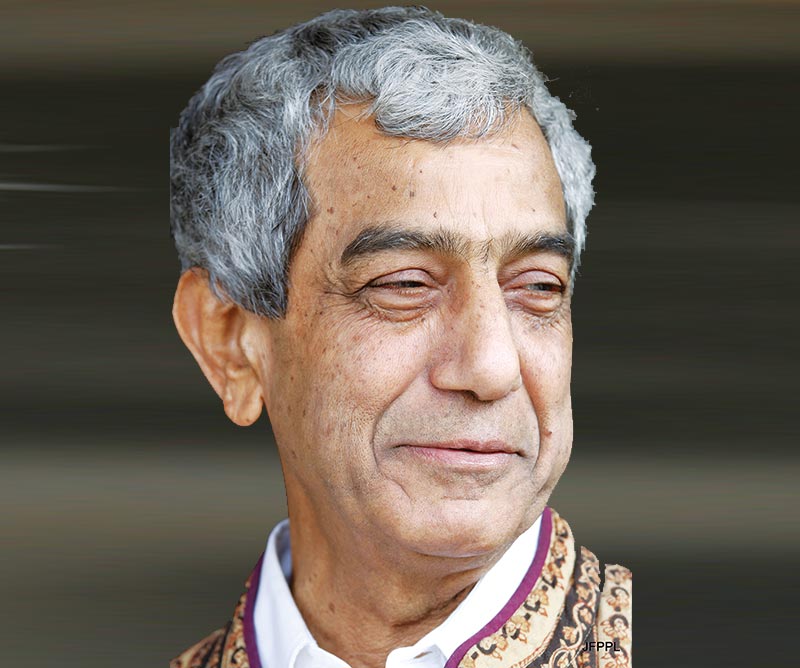
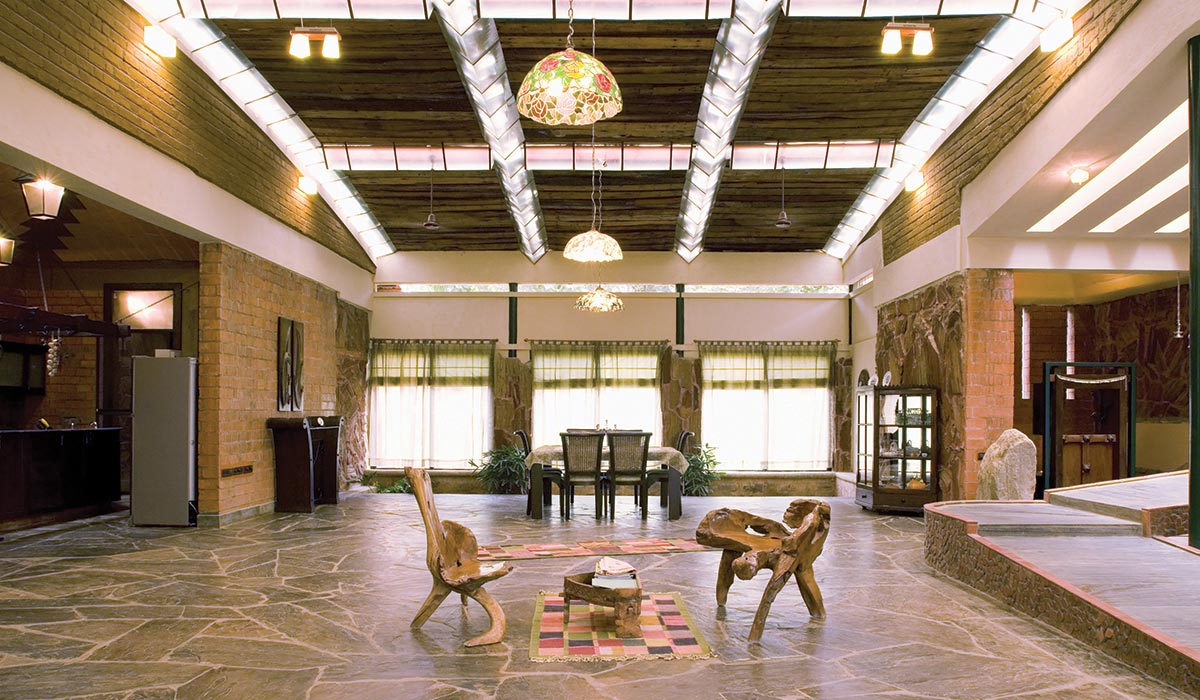
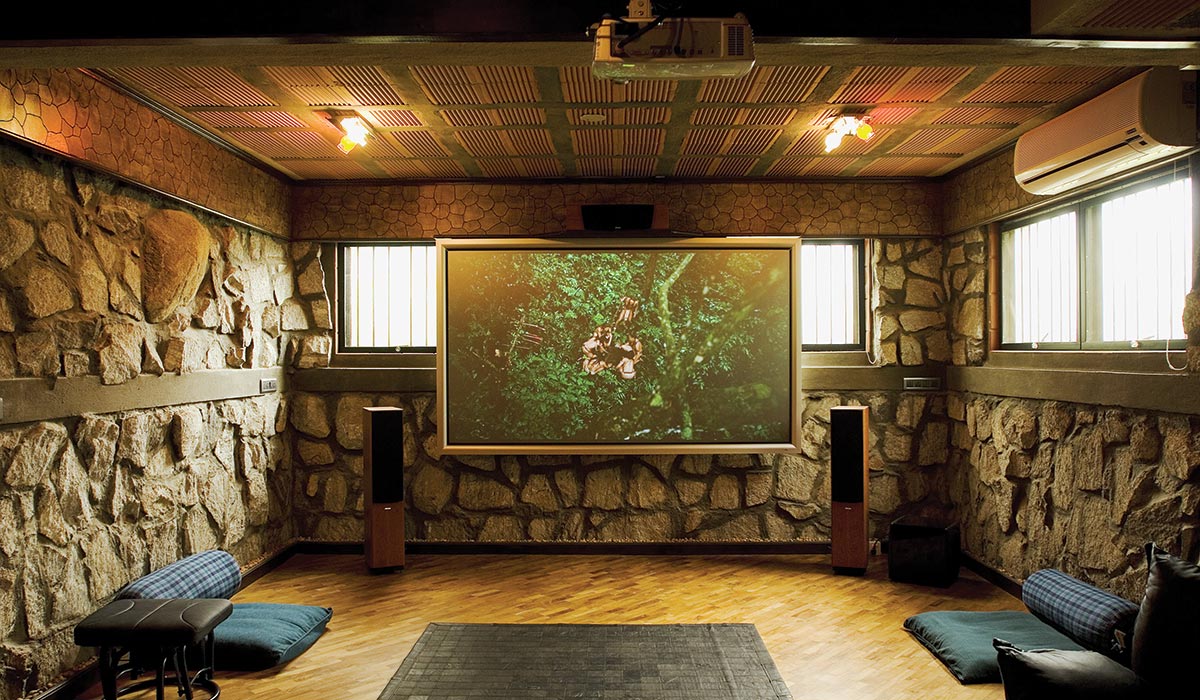
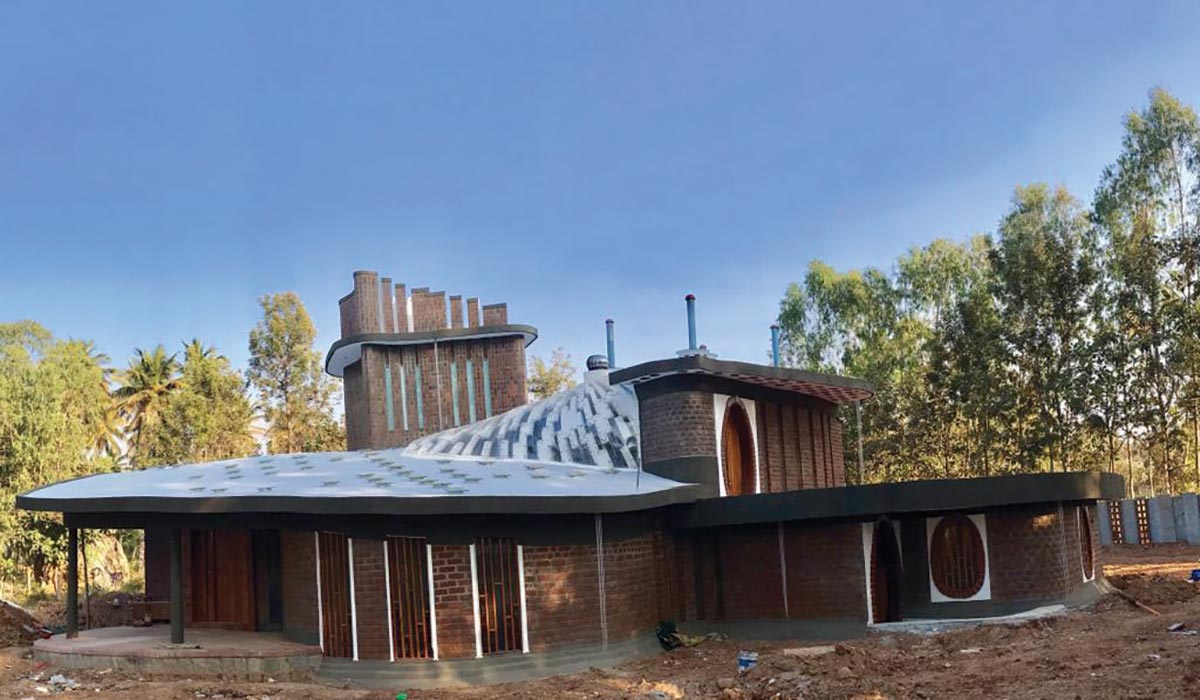
Ar. Vishank Kapoor Kapoor & Associates
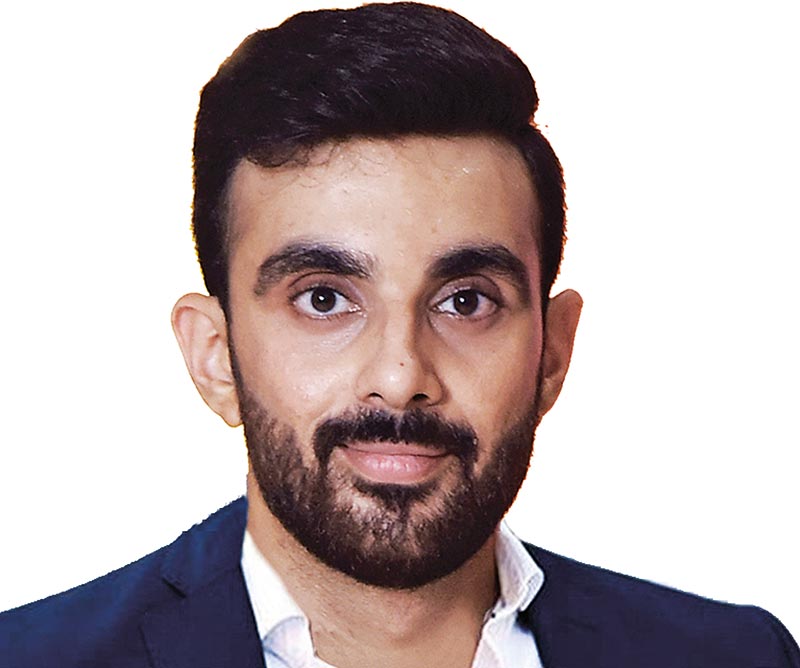
In 2013 I was invited to Italy for a program on Urban Acupuncture & Neuroergonomics under the mentorship of architect Marco Casagrande and bio-urbanist Stefano Serafini where I established a broader vision of built human environment, which tied into social consciousness and environmental awareness.
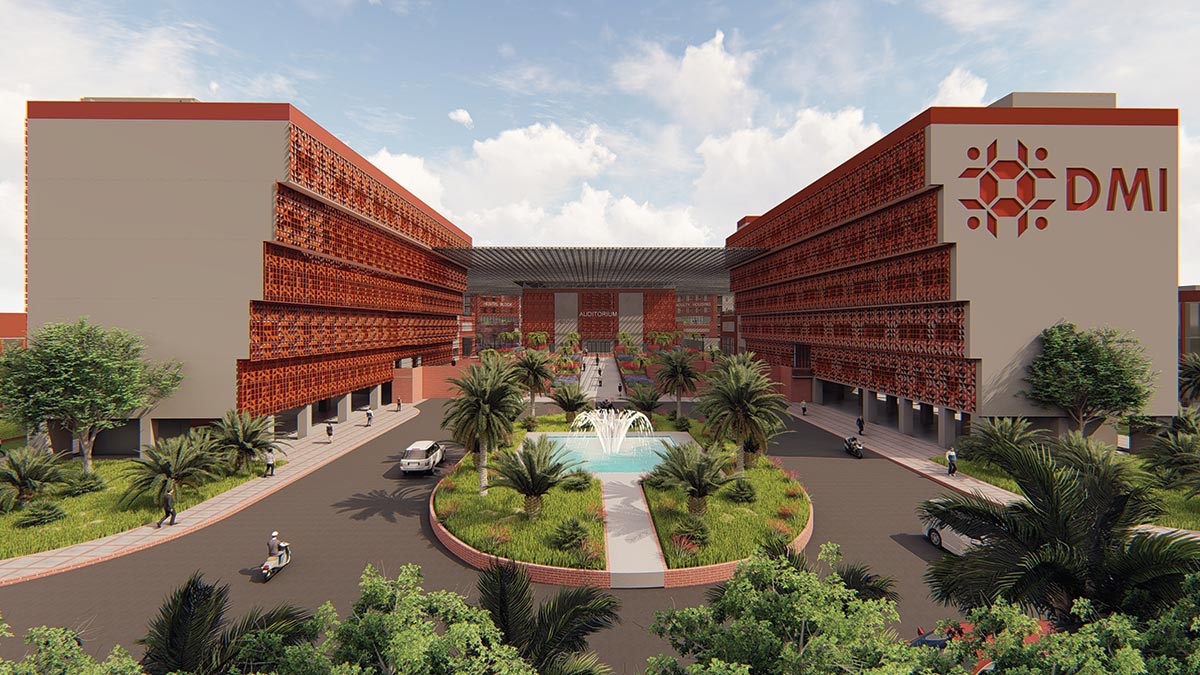 Development Management Institute
As a firm, we believe in visualising multiple design approaches to the same problem and designing projects which positively affect the surroundings as well as users of the space. Our primary philosophy is research-based intuitive design. We believe in creating a sense of belonging among all users of the building such that they use the space in a sensible, efficient, environment friendly and socially profitable way, and yet each building has a story to tell. The design of a building should reflect the essence and character of the client/organisation. This quality of making spaces experiential and story based is reflected keenly in the Punjab State War Heroes Memorial and Museum in Amritsar which showcases nearly 500 years of history. Here, our design approach represents a shift from a curatorial-driven to a visitor-focused experience. The story is deeply passionate and inspirational and enables the visitors to create personal and emotional bonds. The Development Management Institute in Patna is built with natural materials and locally available materials like clay jaali’s and Indian stone.
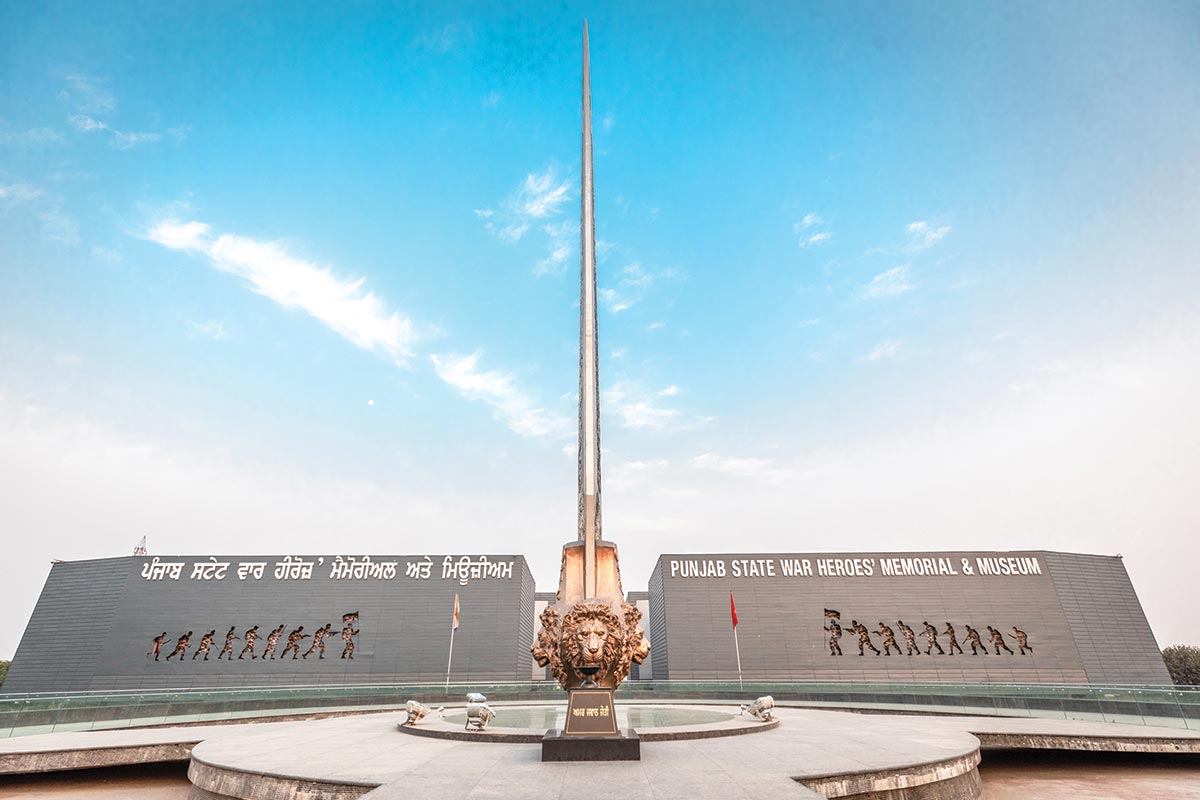 Punjab State War Heroes Memorial and Museum
Ar. Kanhai Gandhi, Ar. Neemesh Shah, Ar. Shresht Kashyap KNS Architects
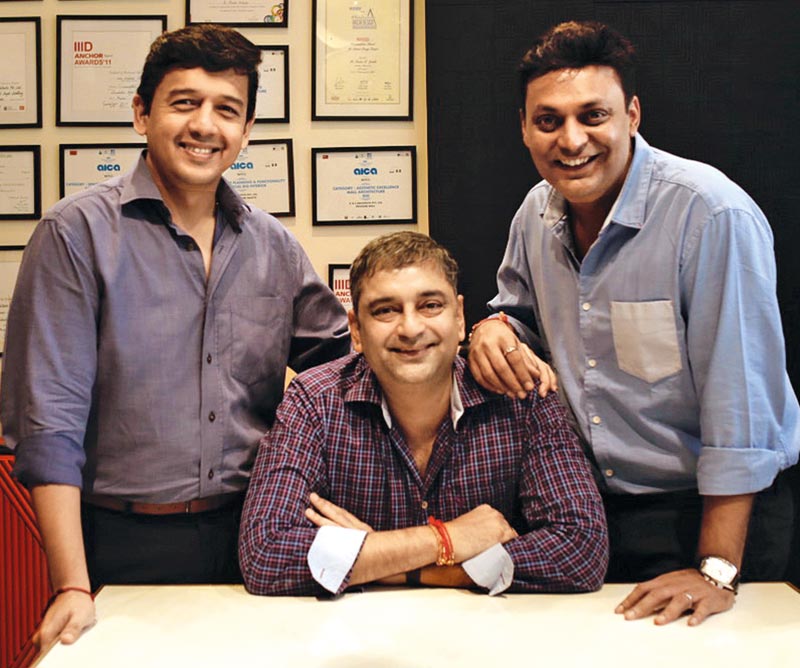
We do not follow a particular style as we believe in delivering diversity through our work. Every design needs a different designing idea or a solution. It has to be contextual and relevant to the site and surroundings while satisfying the need of the client. Contextual is a set of values that gets incorporated in the design. In the architectural context, it gives meaning to the building by reference of its surroundings. We believe in looking at different projects in altered ways and providing unique solutions to each design.
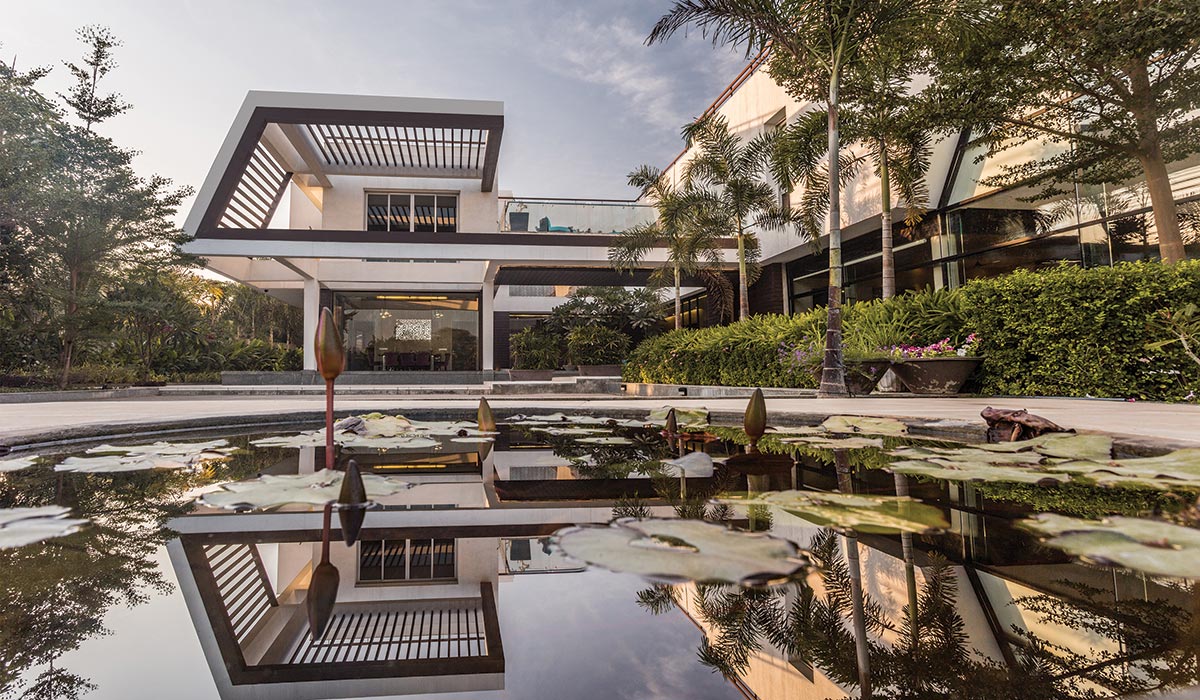
Architecture is not just about cosmetic treatment to the facade; but how it benefits the building. There has to be a spatial connection between the interior and the exterior as well as between the structure and its surroundings. Apart from having a spatial connect, it should also relate on a personal front. My Space, Your space, and Our space is an ideology that we follow while designing. My space is the architect’s thought and intent behind the approach. Your space refers to the need of the client, a wish list. Our space is the cumulative output for the design, keeping the client’s need and context of the site in mind.
Architectural design with futuristic thinking that rests on a traditional philosophy and the core of a contextual, responsible and resourceful architecture, is what we keep in mind when approaching a design.
Ar. Sonali & Ar. Manit Rastogi Morphogenesis
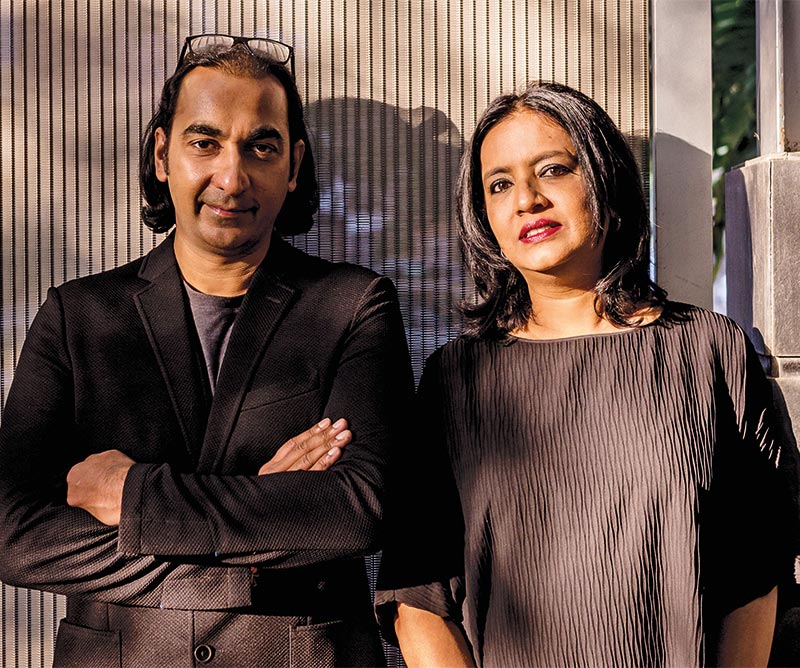
Our endeavour is to design in a manner that reduces consumption of resources and energy while increasing the number of habitable hours with minimum reliance on mechanical means. This has resulted in buildings that consume upto 50-70% lesser energy than certified Green building benchmarks through passive design and microclimate creation, proven through post-occupancy evaluation.
We understand that we are often working in an environment with limited resources. Our approach ensures integrated project delivery with spatial, structural, façade and MEP optimisation resulting in a significant reduction in the capital and operational cost.
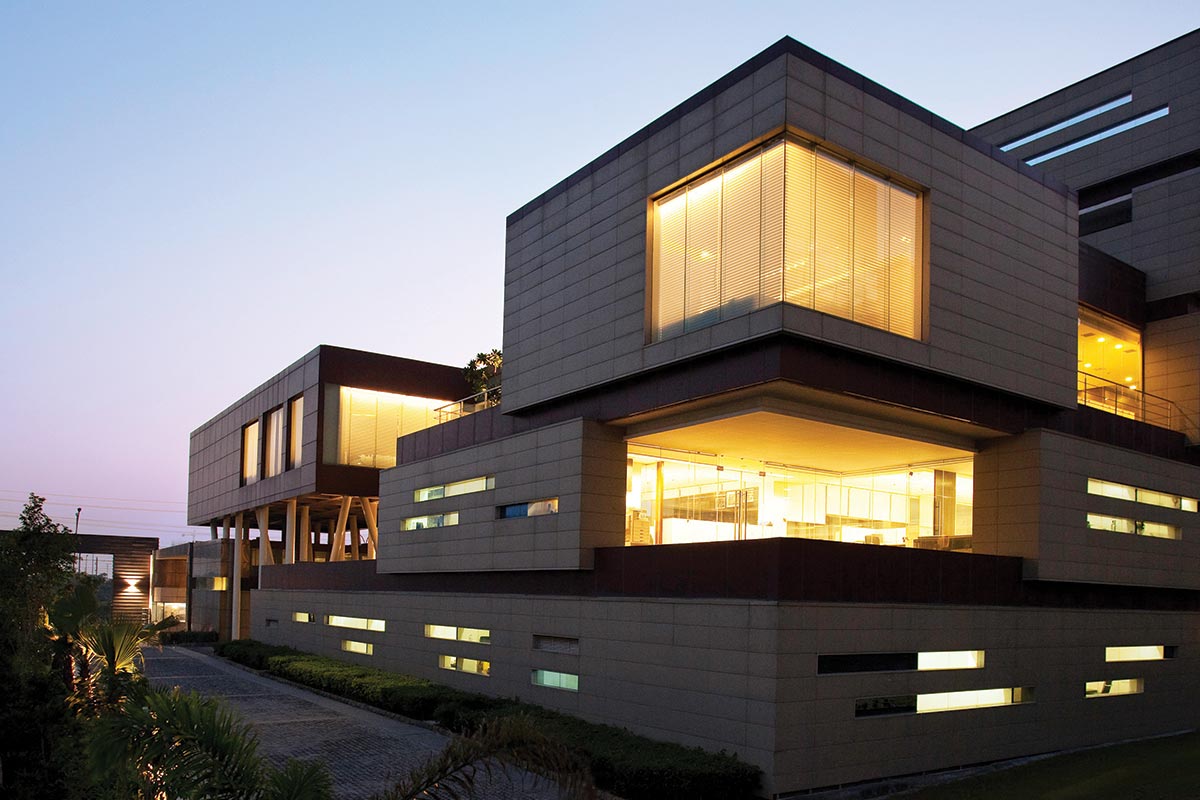 India Glycols Headquarters © André J Fanthome
Architecturally, we celebrate identity and diversity versus visual homogeneity. We think of our buildings and cities as bazaars, places of human interaction along with being places of human habitation. This ensures that all our projects are unique, whilst responding to the client, climate, context, and the end-users.
The end-user always sits at the centre of our design process in our approach to building smart environments. We consider mobility, security, outdoor comfort, technology, health and well-being, ease of facility management and disaster readiness to create spaces that work equally well for all users.
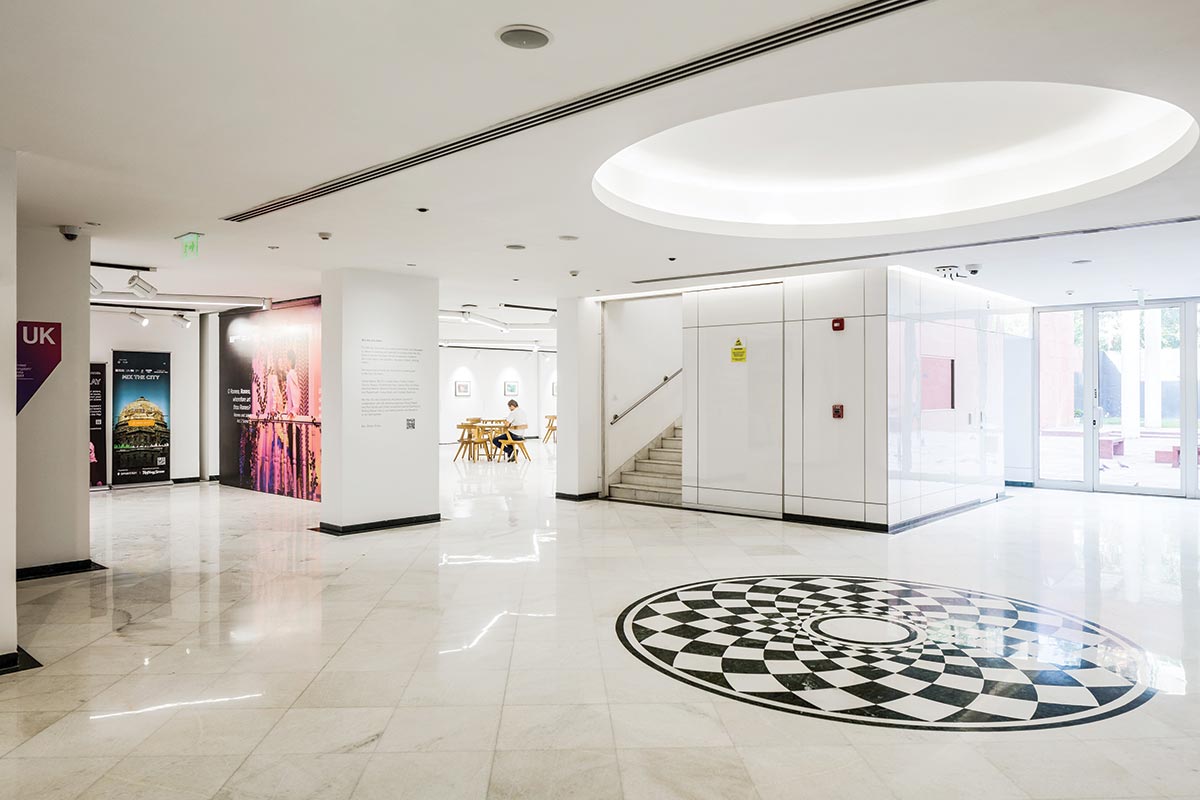 British Council by Morphogenesis © Randhir Singh
These parameters define the enquiry process that shapes the architecture of Morphogenesis. We believe that Architecture, Design and Urbanism as processes must be in step with the forces of urbanisation, globalisation and technology. It is this bridge between tradition and modernity where the work of the practice is positioned.