Sustainability has also moved beyond intent, now featuring as an important consideration amongst the buyers. With India’s green building market growing at a CAGR of 10.5% and projected to reach USD 85 billion by FY32, the opportunity for the real estate sector and the architects involved to lead India’s sustainability transition has never been more compelling.
In the following pages, architects, interior designers, and real estate developers share why reducing the environmental impact of projects has become central to modern development.

Aman Sharma, Managing Director & Founder, Aarize Group
The conversation around sustainability in real estate has evolved from compliance to conscious value creation. Today’s homebuyers are not just investing in a residence they are seeking healthier, more efficient, and future-ready communities that support long-term well-being. It is important to recognise that sustainability is no longer a differentiator, it is an expectation. From energy-efficient design and water conservation systems to expansive green spaces and climate-resilient infrastructure, environmental responsibility must be integrated into every stage of development.As developers, we have a responsibility to create spaces that enhance quality of life while minimising environmental impact. The decisions we make today will influence how future generations live, work, and interact with their surroundings. Building sustainably is not only about protecting the environment; it is about creating enduring value for communities and ensuring a better future for our cities.

Parvinder Singh, CEO, Trident Realty
The real estate sector is evolving and witnessing a significant shift towards more responsible and sustainable development. Today, sustainability goes far beyond incorporating green features into projects. It is about adopting a responsible approach at every stage from design and construction to long-term community living.Developers must create spaces that use resources efficiently and protect the environment. Green spaces, sustainable practices and infrastructure are no longer additions to a project; rather, they have become essential elements of development.
A useful framework for mapping this progression is the 6Ps — People, Product, Process, Policy, Place, and Purpose. Policy instruments such as BREEAM, USGBC, GRIHA, and IGBC have formalised sustainability within practice, while traditional design wisdom — courtyards, passive ventilation, climate-responsive planning — remains as relevant as ever alongside newer tools like performance façades, wind tunnel studies, and geotechnical research.
Ultimately, the progression is not linear, nor is it complete. It is a continuous negotiation between innovation and heritage, ambition and humility. The most enduring principle, as Dieter Rams once observed, is that good design is as little design as possible , a reminder that restraint and purpose, not excess, define meaningful built environments.
One of the biggest challenges for the real estate sector lies in the operations phase, where meeting industry expectations to set science-based sustainability targets requires a long-term commitment, consistent execution, and measurable results.
As lifecycle savings on sustainable development often justify these investments, stakeholders should remain focused on upfront costs associated with green technologies, energy-efficient systems and certified sustainable materials.
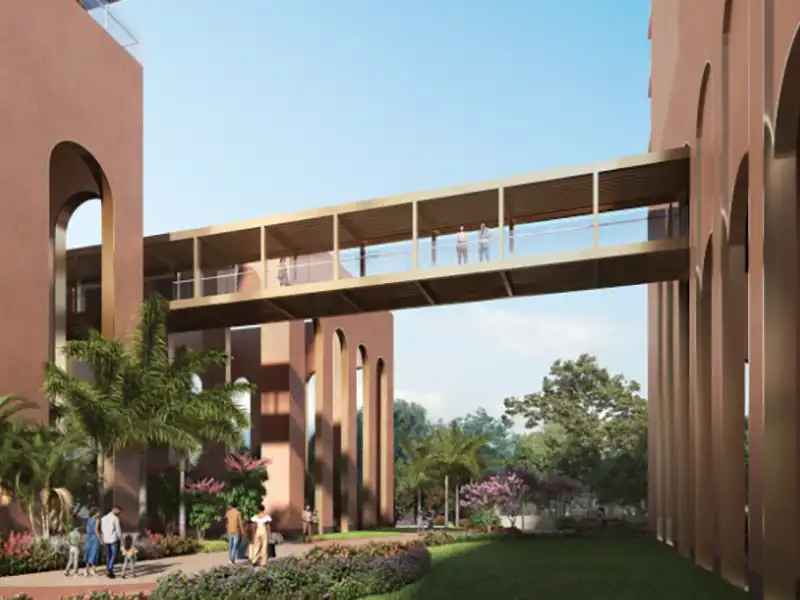
Yet, the long-term vision is strong - reduced energy and water use, operational savings, improved occupancy, and stronger valuations. Today’s challenges are transitional, paving the way toward a future-ready, eco-friendly built environment.
Our material selection framework prioritizes minimizing embodied carbon, responsible sourcing, and verified performance. Engineered wood from plantation species replaces conventional hardwood, while low-VOC paints improve indoor air quality. Double-glazed units (DGUs) enhance thermal efficiency, reducing solar heat gain. AAC blocks lower structural load and embodied energy compared to clay bricks. Fly ash-based concrete cuts cement use and emissions.
Water-efficient fixtures, energy-efficient HVAC, and LED lighting reduce resource consumption. Integrated systems like rainwater harvesting, sewage treatment, solar photovoltaics and smart building management further elevate sustainability. Together, these choices deliver long-term savings, healthier spaces, and stronger valuations for eco-friendly development.

Features like natural ventilation, maximizing natural light, and integrating features like rainwater tanks, energy-efficient utilities, water-saving plumbing fixtures are now expected to be included in a developer’s plans as well as the greater landscape.
Sustainable development can reduce the environmental impact and reduce the cost of operating a community; at the same time, it helps create a more liveable and resilient urban community. The future of real estate is going to be defined by how we manage growth and the environment with a focus on both long-term sustainability.


Policy frameworks including SEBI-mandated ESG disclosures, tax incentives for renewable energy adoption, and the government’s Eco-Niwas Samhita for residential buildings have collectively created an environment where sustainable development is both commercially rational and progressively mandatory. The result is a sector that has moved decisively from aspiration to execution, with measurable outcomes now guiding development decisions across asset classes.
Delivering green buildings at scale requires addressing a set of practical challenges, each of which the industry is actively and effectively responding to. The cost dimension is well documented. Green homes usually cost 15% above conventional construction, with green buildings overall carrying a 3–5% differential. The positive development is that increased market demand has materially improved access to green materials and moderated costs, making sustainable construction more financially viable than at any previous point.

Supply chain considerations such as identifying reliable suppliers for certified sustainable materials and maintaining consistency across large projects require structured procurement processes, though the ecosystem supporting this has grown considerably in recent years. Obtaining relevant green certifications requires technical expertise and thorough documentation, but it is precisely this rigour that ensures the credibility of the green label. The long-term returns in operational efficiency, asset value and occupant well-being validate the effort comprehensively.
Material choices are where a developer’s sustainability commitment is most concretely expressed, and it is an area that warrants careful and deliberate decision-making. For wood-based applications, bamboo and engineered wood are our preferred alternatives to conventional timber. Additionally, we inculcate Cellulose and recycled fibreglass as insulation materials since they offer strong thermal and acoustic performance alongside meaningful environmental benefits. Our interior specifications incorporate low-VOC paints as a baseline standard, reflecting the importance we place on indoor environmental quality for residents. Recycled concrete ties many of these choices together at the structural level repurposing demolition waste, reducing demand for freshly quarried materials, and delivering measurable carbon savings across the project lifecycle.
Developers are now aiming to deliver homes that go beyond structures by crafting vibrant, future-ready communities centred on wellness, liveability, and long-term value. And through responsible development and meaningful placemaking, they aim to shape lifescapes that will stand the test of time. Every project is being guided by a design-first philosophy, ensuring a harmonious balance of aesthetics, utility, vastu principles, natural light, and sustainability.
A shift in rethinking urban design is becoming visible with buyers increasingly seeking homes that offer calm, space, and a sense of community alongside connectivity. Trendsquares World of Gardens reflects this new way of thinking - building lifespaces where nature, design, and daily living come together seamlessly. Instead of a single central park, the development is shaped around four distinct garden environments - Balinese, Japanese, Spanish, and English - each designed to support a different rhythm of life. These gardens are woven into the community in a way that feels natural and intuitive.
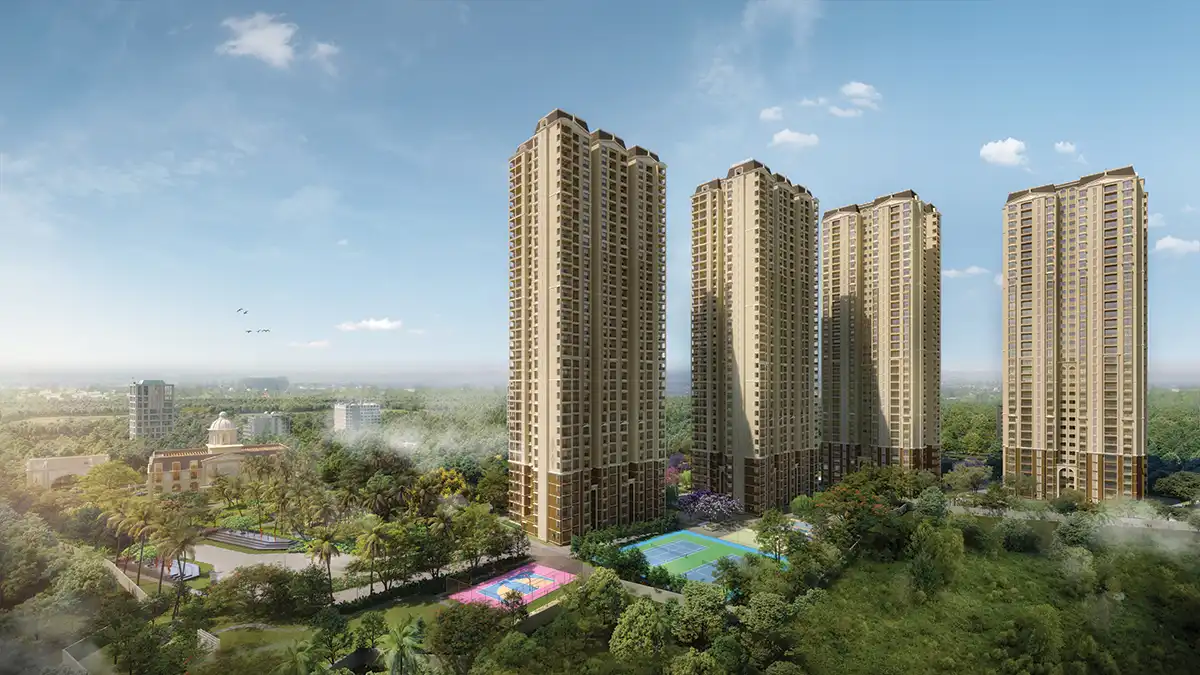
The emergence of garden-led living signals a broader recalibration in residential development - where open space is positioned as a functional asset, not a visual add-on. The trend aligns with evolving homebuyer preferences. Post-pandemic, buyers are prioritising open environments, well-being, and community infrastructure, often over incremental increases in apartment size.
While earlier growth was driven by connectivity and IT expansion, the current phase is defined by liveability, spatial quality, and environmental integration. Projects like World of Gardens - spread across ~12 acres with nearly 90% open space - highlight a shift towards balanced density and design-led planning. The ability to balance density, usability, and long-term liveability is likely to define the next phase of housing.

What distinguishes the current landscape is the convergence of supply-side commitment, demand-side awareness and policy-level support. Developers are building green by design, buyers are making informed decisions based on sustainability credentials, and the regulatory environment is increasingly reinforcing both.
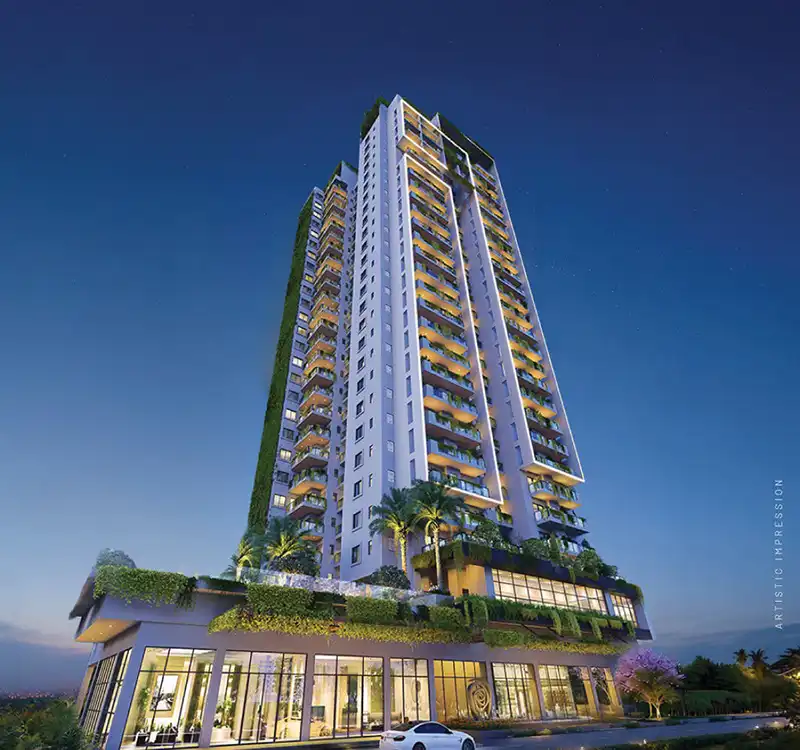
We approach material selection with a clear principle — every input into the built environment must justify itself on grounds of performance, health, and environmental responsibility. This commitment to conscientious material choices is reflected across our developments.
At the project level, this translates into tangible, verifiable decisions. At Alphacorp SKY1, for instance, GreenPro Certified Products form significant part of the total construction material cost. GreenPro is a product certification by the Confederation of Indian Industry (CII) that validates materials on lifecycle assessment and environmental impact, ensuring what goes into the building has a measurably lower footprint.
FSC Certified Wood is used across applicable applications. The certification ensures that all timber sourced is traceable to responsibly managed forests, directly addressing concerns around deforestation and material ethics.
Low VOC Paints, Adhesives and Sealants carry low or zero Volatile Organic Compound ratings, directly improving indoor air quality and reducing health risks for residents from day one of occupancy.
SRI (Solar Reflective Index) Paints on rooftops significantly reduce the heat island effect by reflecting solar radiation rather than absorbing it, lowering surface temperatures and reducing the carbon footprint of the building envelope.
Alphacorp SKY1 is our green-rated residential project, developed in adherence to sustainable design standards. It has been awarded a 4-star GRIHA rating and IGBC Gold pre-certification.

As real estate development remains at the core of development of cities, the approach of developers towards construction, designing and execution, impact the environment footprint. In fact, the future belongs to projects that successfully balance economic progress with environmental responsibility. The built environment must become part of the solution to climate and urban challenges rather than contribute to them.
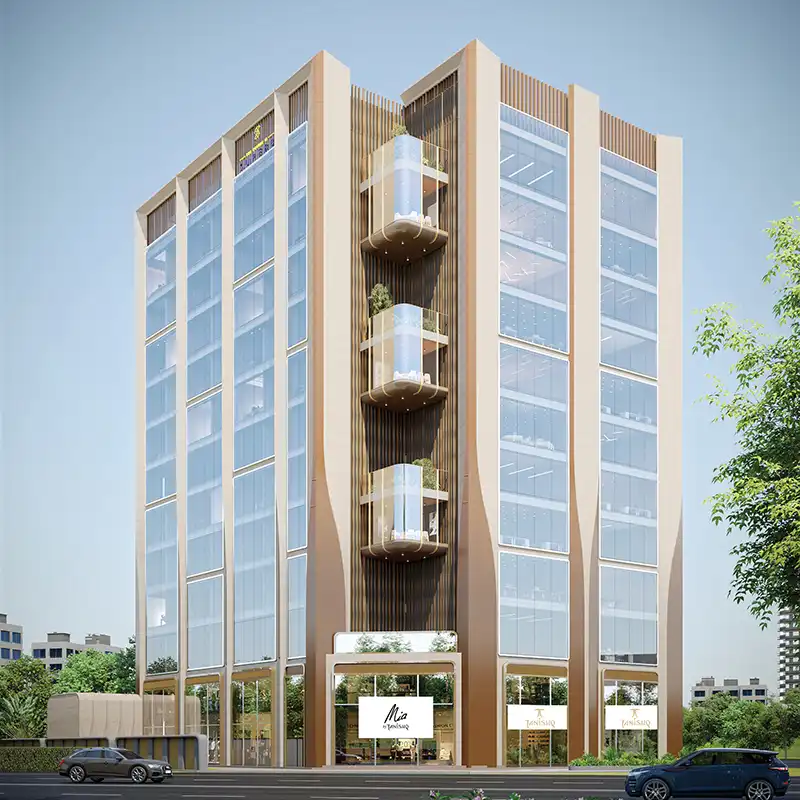
Technology, too, has a vital role to play. Intelligent building systems now enable us to monitor and optimize energy consumption, indoor environmental conditions and operational efficiency in real time. Through advancements in environmental monitoring and AI-driven air quality solutions, buildings can become active participants in creating healthier indoor environments.
However, sustainability is about much more than energy efficiency. It involves responsible resource management at every stage of development. Rainwater harvesting, wastewater recycling, renewable energy integration, efficient construction, construction waste recycling, efficient lighting systems and overall sustainable construction practices are no longer optional considerations. They are fundamental responsibilities.
As developers, we must also think beyond individual projects and consider our broader impact on the urban ecosystem. The real estate sector occupies a unique position because every building we create shapes communities for decades. The decisions we make today will influence environmental outcomes for future generations. Our success should not be measured solely by square footage delivered or financial returns generated. It should also be measured by the quality of life created, the environmental footprint reduced, and the positive legacy left behind. The cities of tomorrow must be intelligent, resilient and sustainable.