By Vinay Jain, Founder & MD, Gadott, VMS Bathware Pvt Ltd

Today’s bathrooms are no longer just utilitarian zones; they are becoming thoughtfully designed spaces that reflect evolving lifestyles, wellness priorities, and technological advancement. The rise of touchless fixtures, connected systems, and intelligent bathroom solutions is reshaping how architects and homeowners approach bathroom design.
At the same time, there is a growing emphasis on minimalism, clean aesthetics, and unique design expressions, trends that are strongly influencing the next generation of bathroom spaces.
The Shift Toward Touchless Living
One of the most significant developments in bathroom innovation has been the growing demand for touchless technology. Increased awareness around hygiene, particularly in recent years, has led to widespread adoption of sensor-based fixtures in both commercial and residential environments.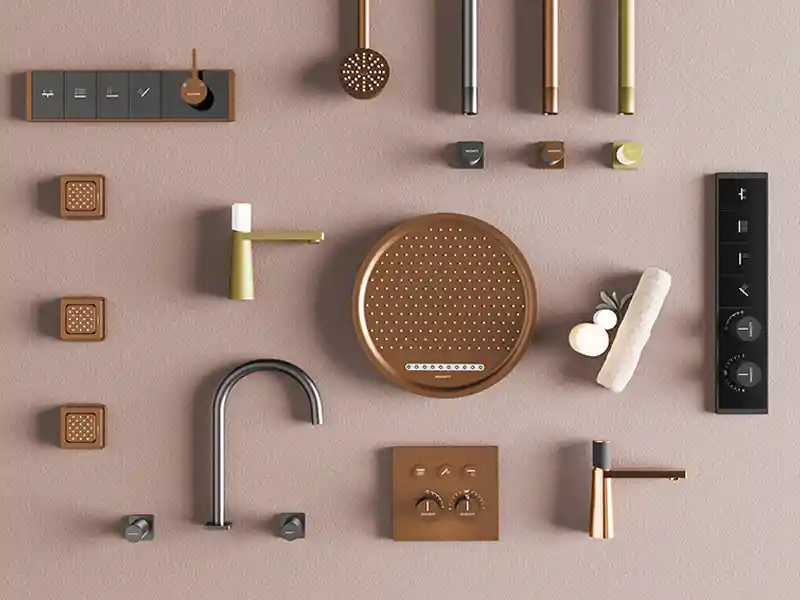
For architects and designers, touchless technology is also an opportunity to create seamless and clutter-free spaces. With fewer visible controls and a greater reliance on sensors, bathrooms can maintain a clean, minimalist look while integrating advanced functionality.
Equally important is the role these technologies play in water conservation. Sensor-based systems ensure that water flows only when required, reducing wastage and contributing to sustainable living practices.
Connected Bathrooms and Smart Living
As the number of smart homes increases, so does the involvement of the bathroom in the general scheme of things in the home. With the development in digital technologies and the Internet of Things (IoT), the bathroom is becoming increasingly integrated with the automation system in homes.In addition to app-enabled showers and voice-assisted bathroom fixtures, the Internet of Things is bringing personalisation to the bathroom. This allows users to set their preferred temperature in the shower.
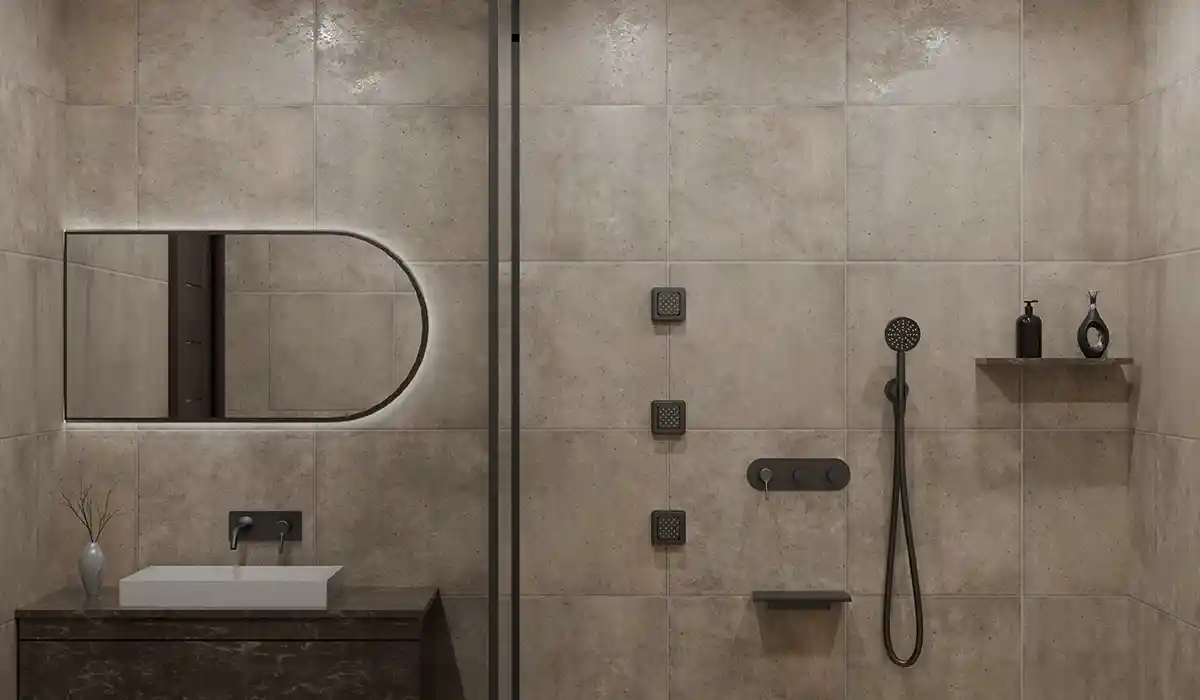
Mirrors with display features, smart lighting systems, and digital control in water fixtures are creating new possibilities in what a bathroom can offer. Not only do these technologies make the space more comfortable to use, but they also help to create a more intuitive and responsive space.
For architects and developers designing homes that meet future needs, these technologies help to evolve the bathroom space from a static space to one that can respond to the needs and wants of users.
Minimalism and the Rise of Design-Centric Bathrooms
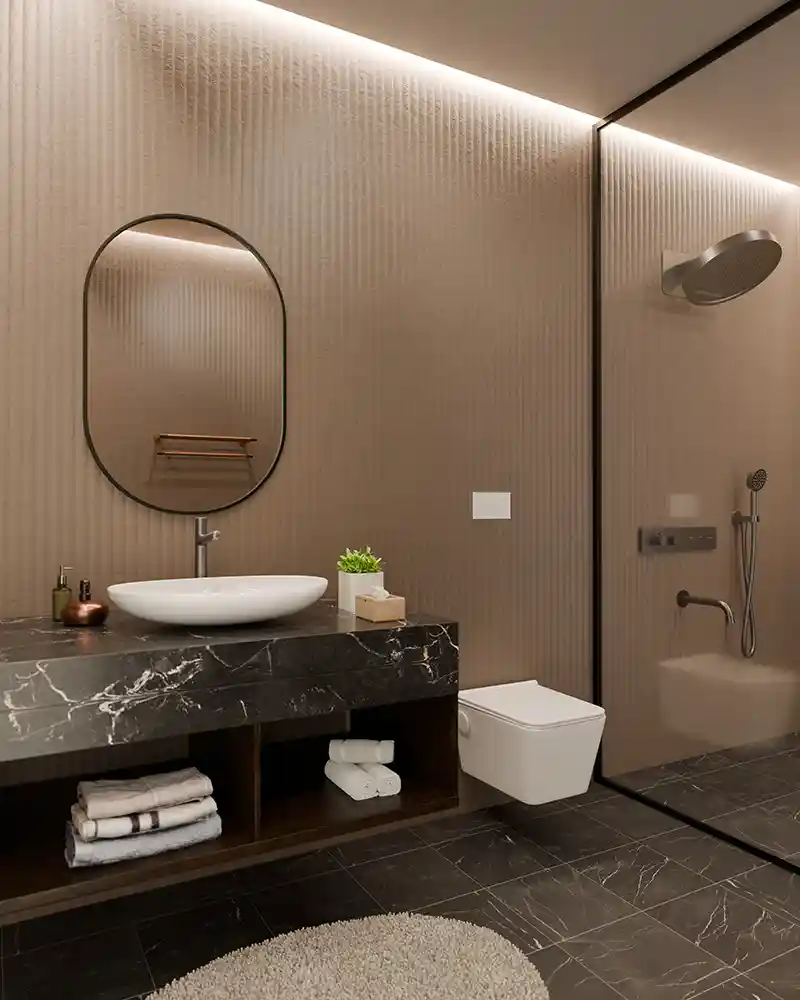
However, minimalism in contemporary times is not about designing spaces that look the same. There is a growing trend towards individuality in spaces as well. There is a desire among consumers today to create spaces that look unique. Designers have been experimenting with designing spaces that have a touch of individuality. There has been a growing trend towards using materials in spaces as well, in order to create a space that looks sophisticated as well as calming. There has also been a trend towards designing smart fixtures in spaces, which can blend in seamlessly.
Smart Design Supporting Sustainability
Another vital aspect of smart bathroom technology is its potential in supporting a sustainable lifestyle. The issue of water efficiency has become a critical aspect in both personal and urban planning circles. The use of advanced bathroom technology, which includes aerators, flow restrictors, and sensors, has the potential to promote water efficiency. The use of smart showers can control the rate of water flow, thus reducing wastage. Sensor-based faucets can also be used to promote water efficiency. The adoption of smart bathroom technology in a country like India, which is experiencing rapid urbanisation, can be quite beneficial in managing scarce resources. There is a growing realisation among architects and developers that sustainability needs to be integrated in design decisions. Smart bathrooms, therefore, not only imply technology but also sustainability.The Future of Smart Bathrooms in India
India's residential sector is undoubtedly heading towards a future where comfort, technology, and design finesse coexist in perfect harmony. As people are becoming increasingly design-savvy and tech-savvy, it is quite obvious that the design of our day-to-day spaces is changing to accommodate this new reality. Today, bathrooms are not just afterthoughts; they are being designed to complement our lives and add to our quality of life.Looking ahead, smart bathrooms in India are definitely going to move forward with higher degrees of digital integration, sustainability, and design individuality. The key to this lies with our architects, designers, and manufacturers. What is emerging is a future where smart bathrooms are not just smart, but design is at the forefront, and technology is working in the background. The future is no longer in the realm of possibilities; smart bathrooms have already arrived, changing the way we live in one of the most important spaces in our homes.