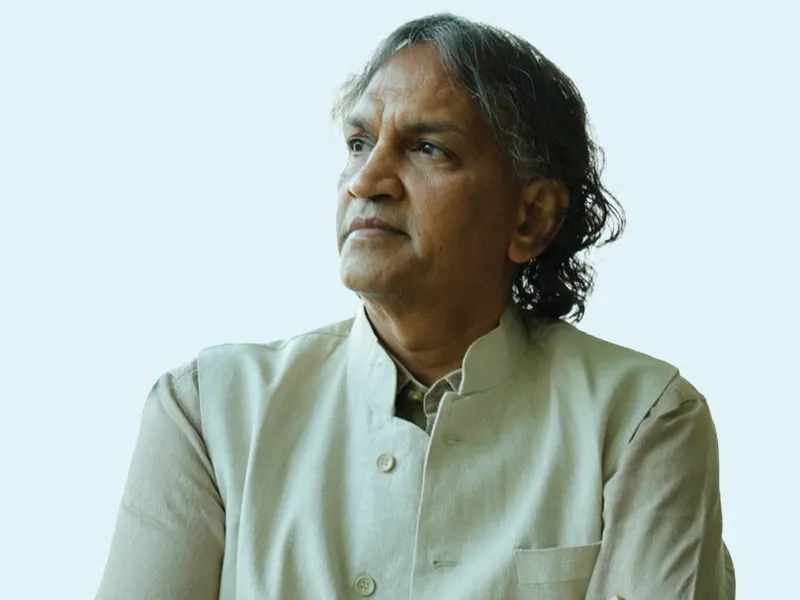
Ar. Manu Malhotra, Founder, IIDC Architects
The meaning of luxury in residential design has already changed.
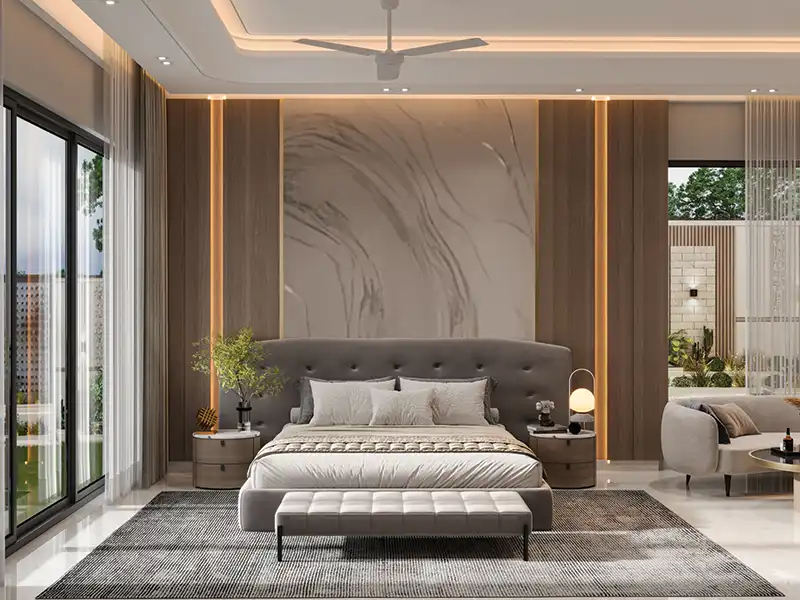
Luxury is increasingly about the choreography of thresholds.
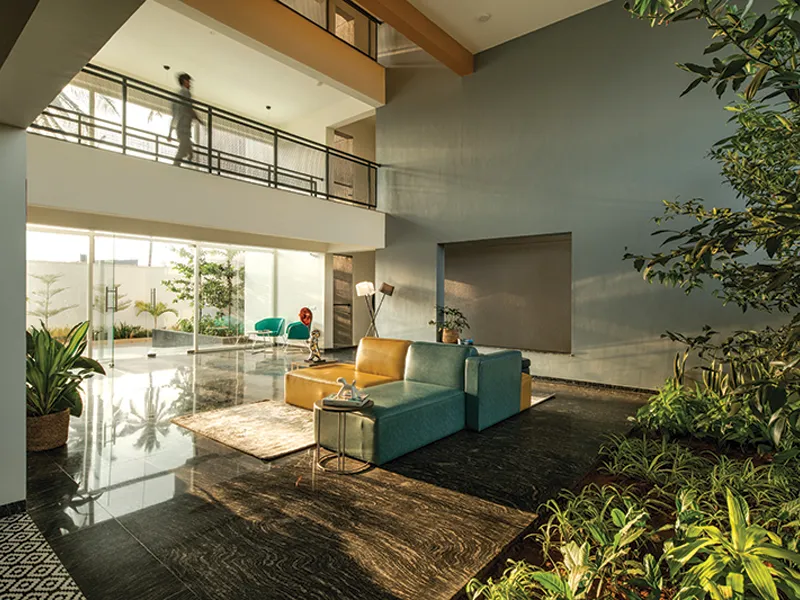
A home is a sequence of emotional states—arrival, transition, gathering, retreat, pause and restoration. Each requires a different spatial response. The entrance may create a moment of pause before revealing the home. Social spaces should feel open without exposing the family’s private world. Bedrooms must offer protection, not merely decoration. Kitchens, staff areas and service movement should function seamlessly without interrupting daily life. Gardens, terraces and courtyards should not remain visual accessories; they must become active extensions of living.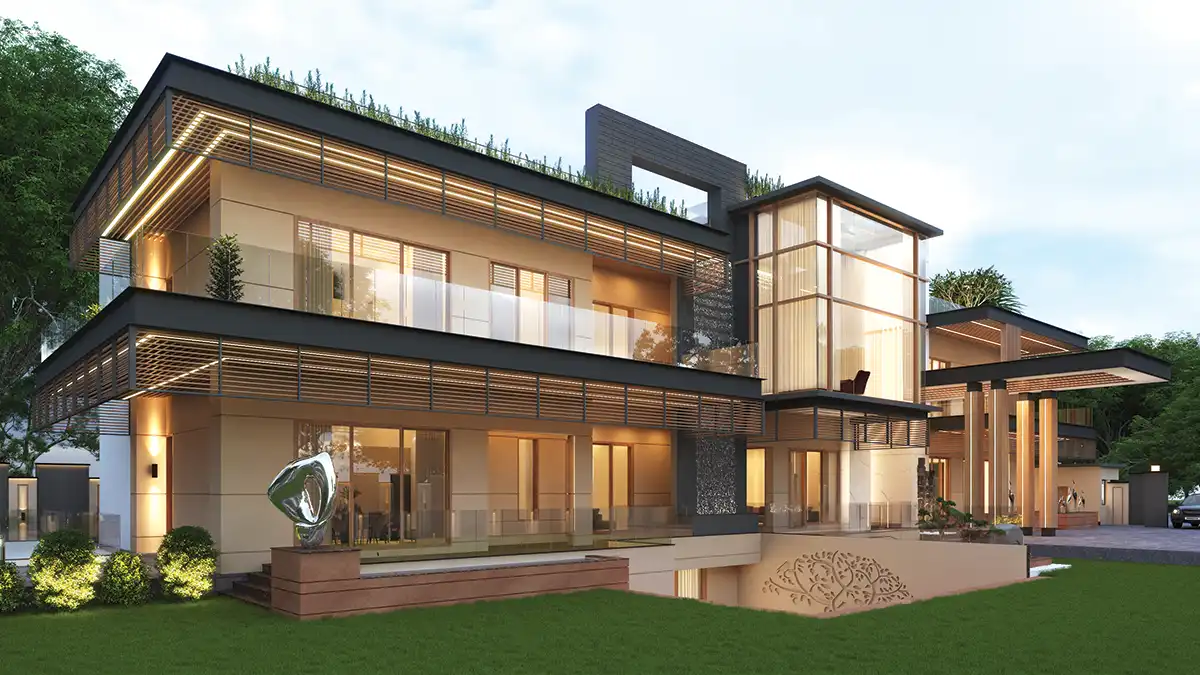
A luxurious home does not impose togetherness. It creates the freedom to choose it.
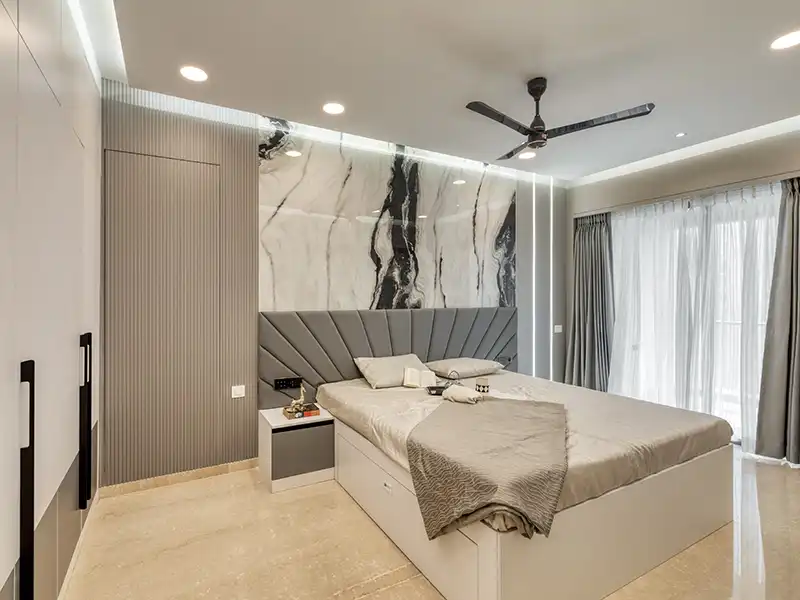
The quality of a home is often determined by what it reveals, what it withholds and how naturally one moves between the two. Privacy, particularly in dense urban settings, requires far greater sophistication than simply closing a façade. It must be designed in layers—between the street and the residence, guests and family, shared spaces and individual retreat. The finest homes allow people to remain connected without requiring constant interaction.For me, the highest form of residential luxury is freedom—the freedom to gather or withdraw, to host without disruption, to live comfortably across generations, and to move through the house without constantly adjusting to its limitations.
Ar. Manu Malhotra
Materiality must be approached with restraint.
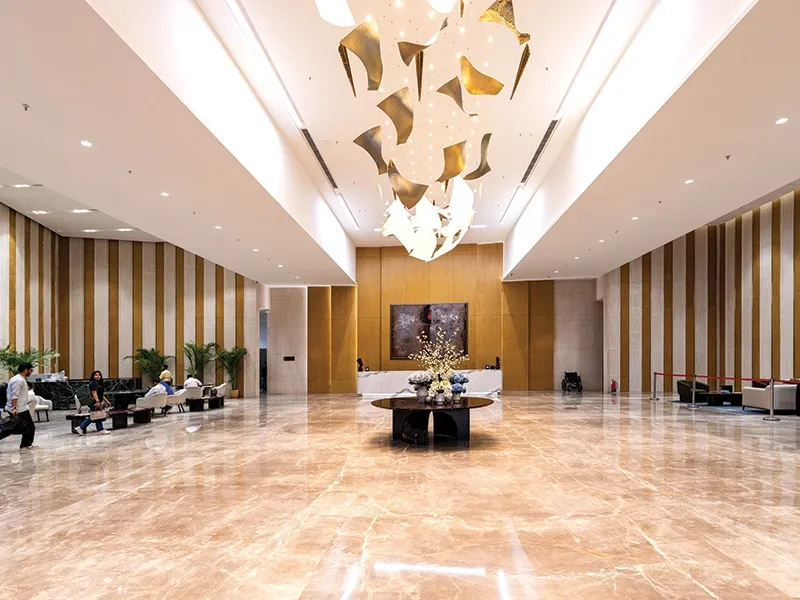
Rare stone, fine timber or crafted metal can add richness, but expense alone does not create refinement. I am more interested in how materials age, how they respond to daylight, what they feel like to touch and whether they will remain meaningful after a trend has passed. I often describe this as emotional durability.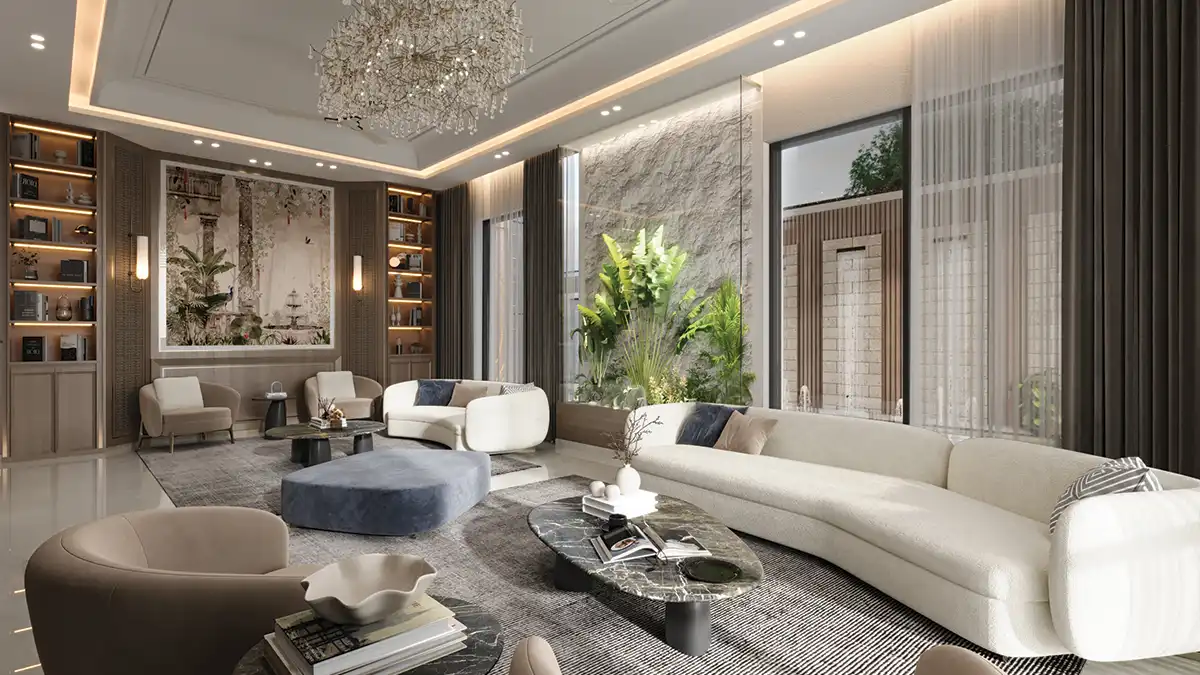
Visual excess can often work against luxury.
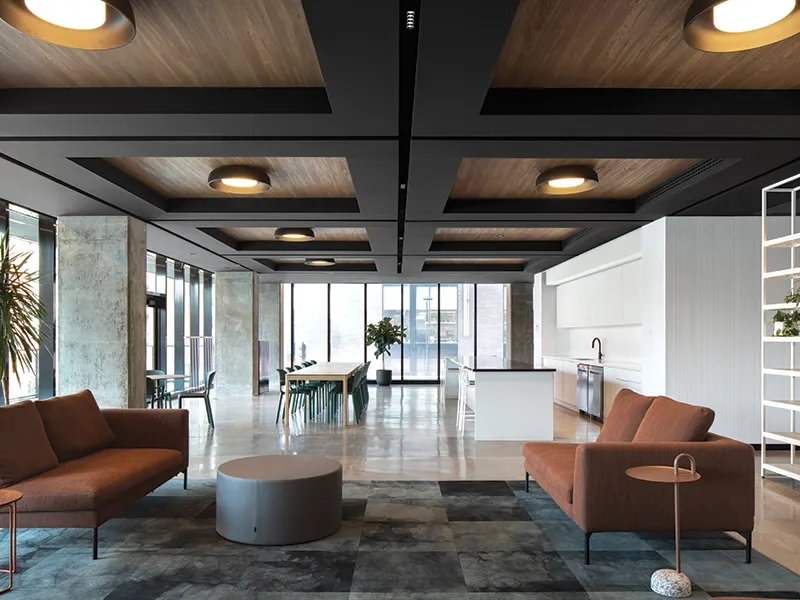
Spaces that demand constant attention can become emotionally tiring. A well-designed residence offers character without overwhelming its occupants. It creates a multisensory experience through proportion, filtered light, acoustic comfort, tactile materials, greenery and controlled views.My experience in designing complex, human-centred environments has reinforced one principle repeatedly: well-being cannot be added at the end. In a residence, natural light, air quality, acoustic privacy, ease of movement and contact with nature must be embedded into the planning from the outset. These decisions influence how calmly we think, how deeply we rest and how comfortably we live with others.
A premium home must also anticipate life beyond the immediate brief. Families evolve. Children grow, parents age, work patterns change and rooms take on new purposes. The most enduring homes are designed with the capacity to evolve.