Experts stress sustainable tourism, responsible development and climate resilience; White Paper to be released soon
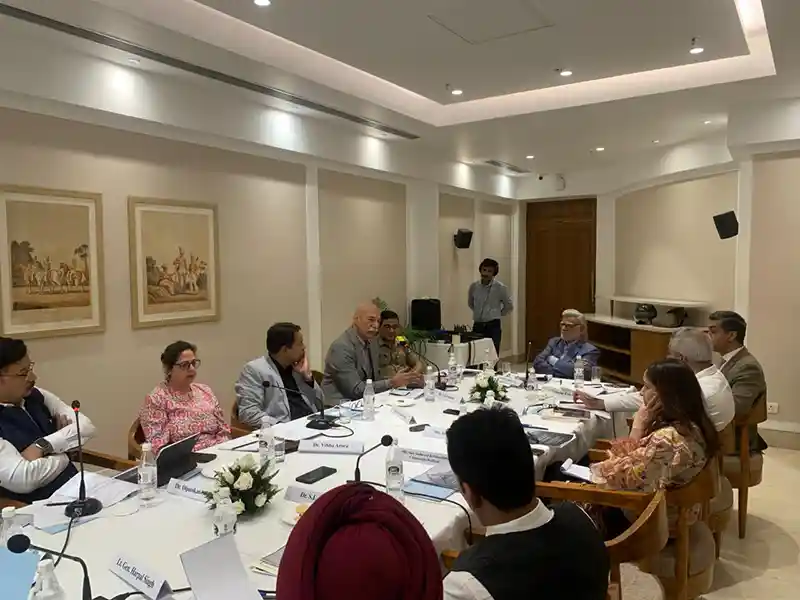
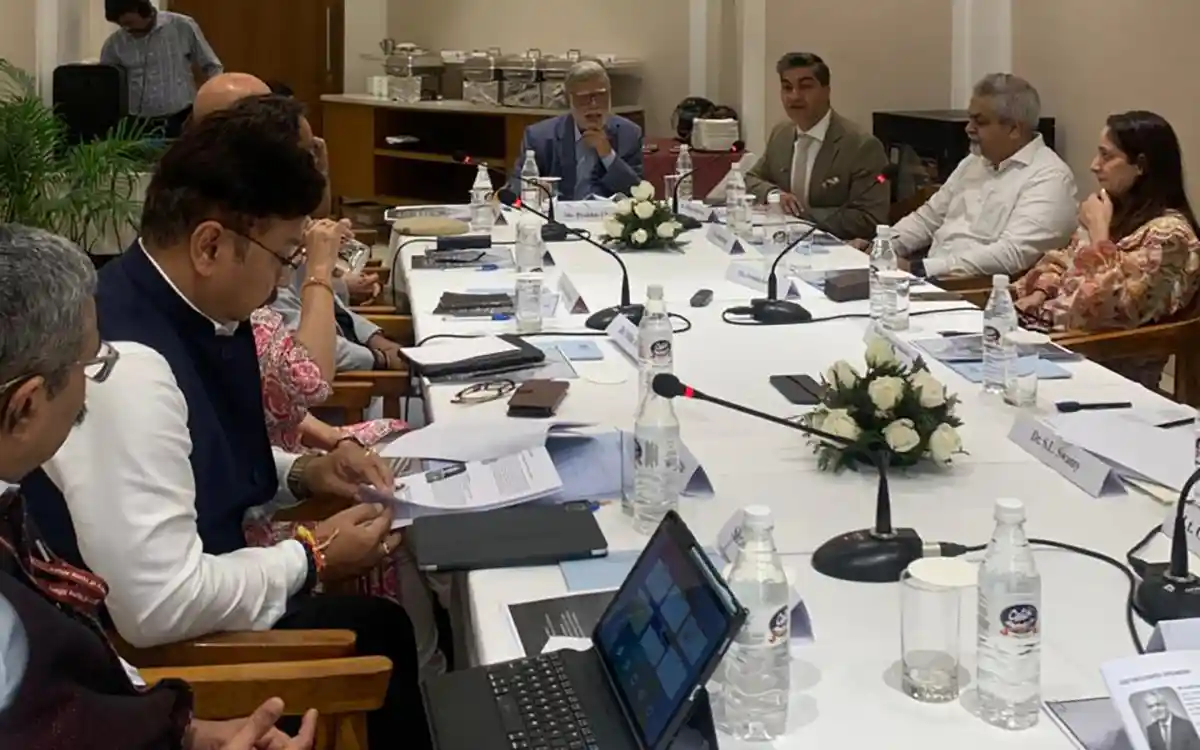
The roundtable was moderated by senior journalist Mr. Prabhu Chawla, who facilitated a rich exchange of ideas among the distinguished panel of speakers. Among the participants were Shri P. Subramanyam (Principal Chief Conservator of Forests, Government of Arunachal Pradesh), Lt. Gen. Harpal Singh (Retd), Mr. Ajit Pai (Chairman, Delhi Urban Art Commission), Mr. Amit Prothi (Director General, Coalition for Disaster Resilient Infrastructure - Coalition for Disaster Resilient Infrastructure), Dr. Dipankar Saharia (Senior Director, TERI), Dr. A. K. Gosain (Emeritus Professor, IIT Delhi), Dr. Vibha Arora (Professor, IIT Delhi), Dr. Reet Kamal Tiwari (Associate Professor, IIT Ropar), Dr. S. L. Swamy (Chairman, Institution of Civil Engineers), Ms. Shobhana Rana (Founder and Global CEO, Samas Healing & Wellness), Mr. Dikshu C. Kukreja (Managing Principal, CP Kukreja Architects), and Mr. Abhay Purohit (President, Council of Architecture).
“Arunachal Pradesh holds one of the richest forest ecosystems in India, and our responsibility is not only to conserve these natural resources but also to ensure that conservation goes hand in hand with sustainable livelihoods for local communities. Collaborative platforms such as this round table are crucial for bringing together government, industry, and civil society to develop innovative solutions that protect our forests while supporting responsible economic growth.”- Shri P. Subramanyam, Principal Chief Conservator of Forests, Government of Arunachal Pradesh.
Speaking during the discussion, Lt. Gen. Harpal Singh (Retd) stressed the need for strategic planning and stronger governance frameworks for Himalayan development- “The Himalayas are not just a mountain range; they are a living ecosystem that supports millions of people across the subcontinent. Development in the region must be guided by long-term environmental sensitivity and strategic planning. Unregulated expansion and short-term economic thinking can have irreversible consequences for ecological stability and disaster resilience.”
Mr. Ajit Pai, Chairman of the Delhi Urban Art Commission, highlighted the need for responsible and context-sensitive architecture in the Himalayan region- “Hill towns are witnessing unprecedented development pressure. The challenge is to ensure that architecture and urban planning in the Himalayas respect the region’s terrain, climate, and ecological limitations. Sustainable design, low-impact infrastructure, and culturally sensitive development must become the foundation for all future projects in the region.”
Dr. Dipankar Saharia, Senior Director at TERI, pointed out that climate change is already reshaping the Himalayan landscape- “What we are witnessing today in the Himalayas- erratic rainfall, landslides, flash floods- is not an isolated phenomenon. These are signals of deeper climatic shifts combined with human-induced environmental pressures. Policy, science, and local community engagement must come together if we are to build a sustainable future for the Himalayan region.”
Architect and sustainability advocate Mr. Dikshu C. Kukreja, Managing Principal at CP Kukreja Architects highlighted the role of sustainable architecture and planning in preserving fragile ecosystems.- “The Himalayas demand a fundamentally different approach to development. Architecture and infrastructure must be designed with a deep understanding of topography, climate patterns, and ecological balance. Sustainable design is no longer optional, it is essential if we are to ensure that economic growth does not come at the cost of environmental degradation.”
The dialogue underscored the growing concerns around unregulated tourism, deforestation, erratic weather patterns, and rapid urbanisation in hill towns, which are increasingly contributing to landslides, flash floods, and environmental degradation across northern India. Experts also highlighted the mounting stress caused by the surge of tourist traffic, particularly during peak holiday seasons and long weekends, resulting in rising vehicular emissions, congestion, and strain on mountain infrastructure.
Participants emphasised that the Himalayas play a vital role not only as a geographical boundary but also as a critical ecological system supporting rivers, biodiversity, and water security for millions across South Asia. Protecting this ecosystem requires coordinated policy action, responsible tourism practices, climate-resilient infrastructure, and stronger environmental governance.
Participants also discussed the need for policy reforms, stronger environmental regulations, responsible tourism frameworks, and community participation to safeguard the Himalayan ecosystem while enabling economic growth for hill states. The discussions from the roundtable will be compiled into a comprehensive White Paper capturing key insights, recommendations, and actionable strategies emerging from the dialogue. The document will be released in the coming weeks and is expected to contribute to ongoing policy discussions around sustainable Himalayan development. The Himalayan Roundtable marked an important step toward building a collaborative platform where experts from diverse fields can collectively address the complex environmental, social, and developmental challenges facing the Himalayan region.