Residential vs. Hospitality in Goa: Why the line between both is blurring
Sunil Sisodiya, Founder, Neworld Developers
Goa’s real estate narrative has been neatly compartmentalised for decades. Residential assets were tailored to end users and long-stay owners, and hospitality inventory was tailored towards tourists and short-term occupants. That binary is becoming increasingly irrelevant. Buyer behaviour, asset use characteristics and lifestyle preferences are converging and leading to homes that behave increasingly like hotels.
With Choice of Property,Demand Is Reaching Out from Ownership
The buyer today in Goa is not just purchasing a home, they’re buying optionality. More than 35–40 per cent of all residential purchases in coastal micro-markets including North Goa are of non-resident Indians and professionals from metro areas that desire flexible use options, private property during certain periods, and revenue for the duration. This dual-intent buyer doesn't want to pick between a serviced apartment and a private home any more. They expect them both, to be seamlessly integrated.
Mixed-Use Living Isn't Just the Best, It's the New Normal
The rise of mixed-use developments is a structural reaction to this change. Residential communities now integrate concierge services, housekeeping, on-demand maintenance, wellness zones, co-working lounges and tailor-made food and beverage products—all elements of hospitality assets that belong in the real estate of hospitality properties, typically under a single-minded focus. Sector estimates suggest that managed service developments command a rental premium of 20–30 percent compared to equivalent (conventional) apartments located elsewhere. This is not a premium for luxury, but based on convenience and operational reliability.
Hospitality Category Amenities Are Influencing Choices in Residence
Buyer surveys of leisure destinations find amenities to be in the top three decision drivers, ahead of unit size. Pools, spas, fitness studios, beach access management and professional property management will no longer stand out; these are now baseline expectations. With seasonal demand volatility of up to 65–70 percent in Goa, professionally managed residential assets typically carry high annual occupancy, commonly above 65–70 percent, compared to fragmented individual rentals.
‘Primary’ and ‘Secondary’ Homes Have Been Redefined by Remote Work
The post-pandemic normalisation of remote and hybrid work has intensified this convergence. More buyers are now spending months a year in Goa, while staying professionally productive. For these individuals, the properties themselves must provide hotel-level internet reliability, business-grade infrastructure, and community involvement. The consequence: A product typology that acts as a long-stay hospitality asset, but is still legally and structurally residential.
Regulatory and Institutional Ramifications
It's also a blurring point for investors and regulators. From an investment point of view, residential assets with hospitality overlays provide more predictable yields and lack of risk factors associated with pure-play hotels. From a regulatory perspective, clearer expectations are building for managed residences, rental pooling, and service-level governance and need to be made for buyers and operators alike.
Market Aging Beyond Labels
Goa’s real estate evolution is emblematic of a larger shift in how lifestyle markets operate. And buyers are no longer assessing assets in terms of residential versus hospitality. They are thinking in terms of experiences, flexibility and long-term relevance. Such convergence-reflective development is better geared towards demand fundamentals and capital efficiency – as opposed to the latter’s own stuck-to-legacy definitions and obsolescence.
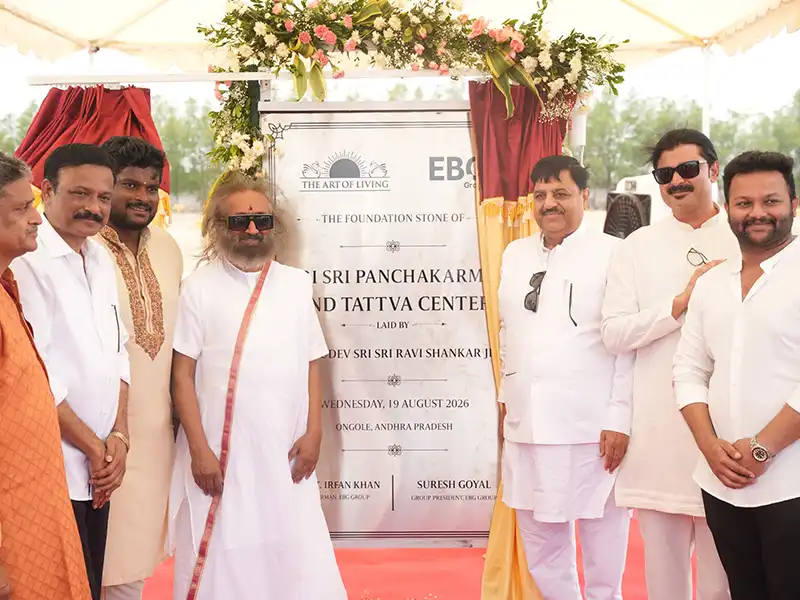
EBG Group, a fast-growing, diversified business group with interests spanning multiple sectors, today marked the commencement of work on a new model of
TCG Real Estate, part of The Chatterjee Group (TCG) a diversified business conglomerate operating across petrochemicals, chemicals, real estate, technology
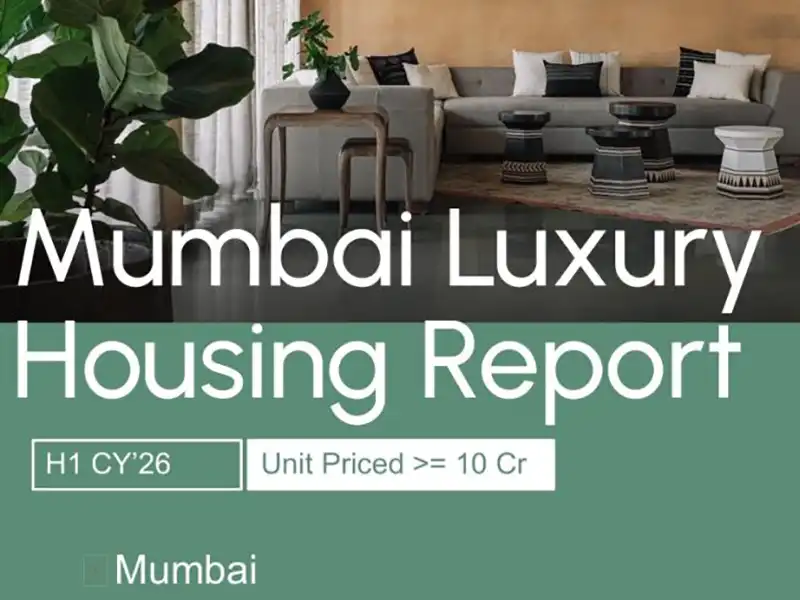
Mumbai's luxury residential real estate market has reached a historic milestone, recording its highest-ever half-yearly transaction value of ₹18,512 crore in
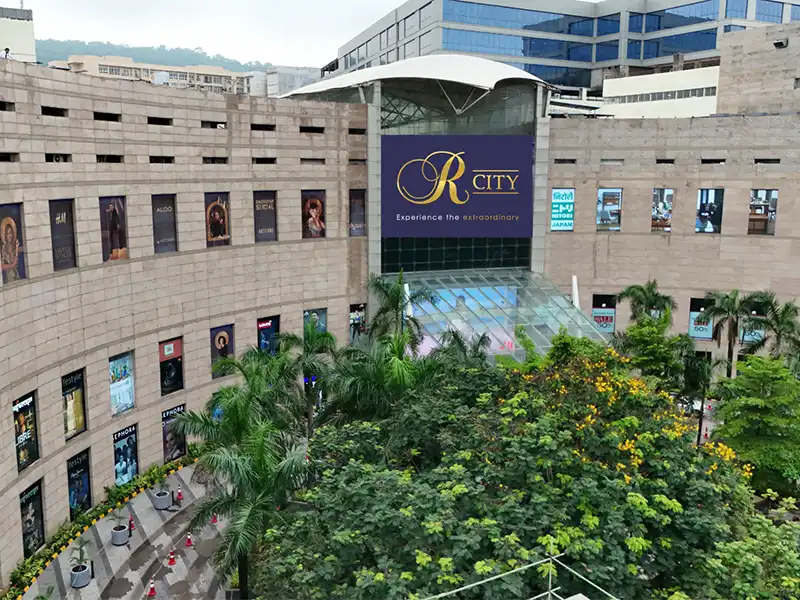
Runwal Realty’s flagship retail destination, R City Mall, has been awarded the prestigious LEED (Leadership in Energy and Environmental Design) Platinum
The House of Abhinandan Lodha (HoABL), India's largest branded land developer, today announced that the Indian Institute of Management Ahmedabad (IIMA), India
Arkade Developers Ltd., one of Mumbai's leading real estate developers renowned for its quality construction and timely project execution, has announced the
UAE-based real estate developer BNW Developments plans to develop around 10,000 homes across Dubai and Ras Al Khaimah over the next four years as it expands
Stay ahead of the curve.
Architecture, design, materials, products, news and industry updates — delivered to your inbox.