India is seeing a growing requirement for steel building structures as the country’s infra development grows across all industrial sectors, which include warehouses, factories, commercial complexes, and even residential buildings. This is because steel structures are known for their superior strength, durability, and sustainability. To meet the growing demand, various companies are offering unique deigns and patterns, precision engineering, and timely project deliveries, using innovative construction techniques and methods.
PEBs are a faster and a cost-effective method of making structures for factories, warehouses, data centers, etc. The method involves customised manufacturing of the components (typically made of steel), designed to be easily assembled on-site, resulting in minimal wastage, high-quality finishes, optimised design, and in-house monitoring for quality. PEBs are being widely adopted across various sectors. Demand for PEBs is set to grow in India in view of the increasing urbanisation and infrastructure development.
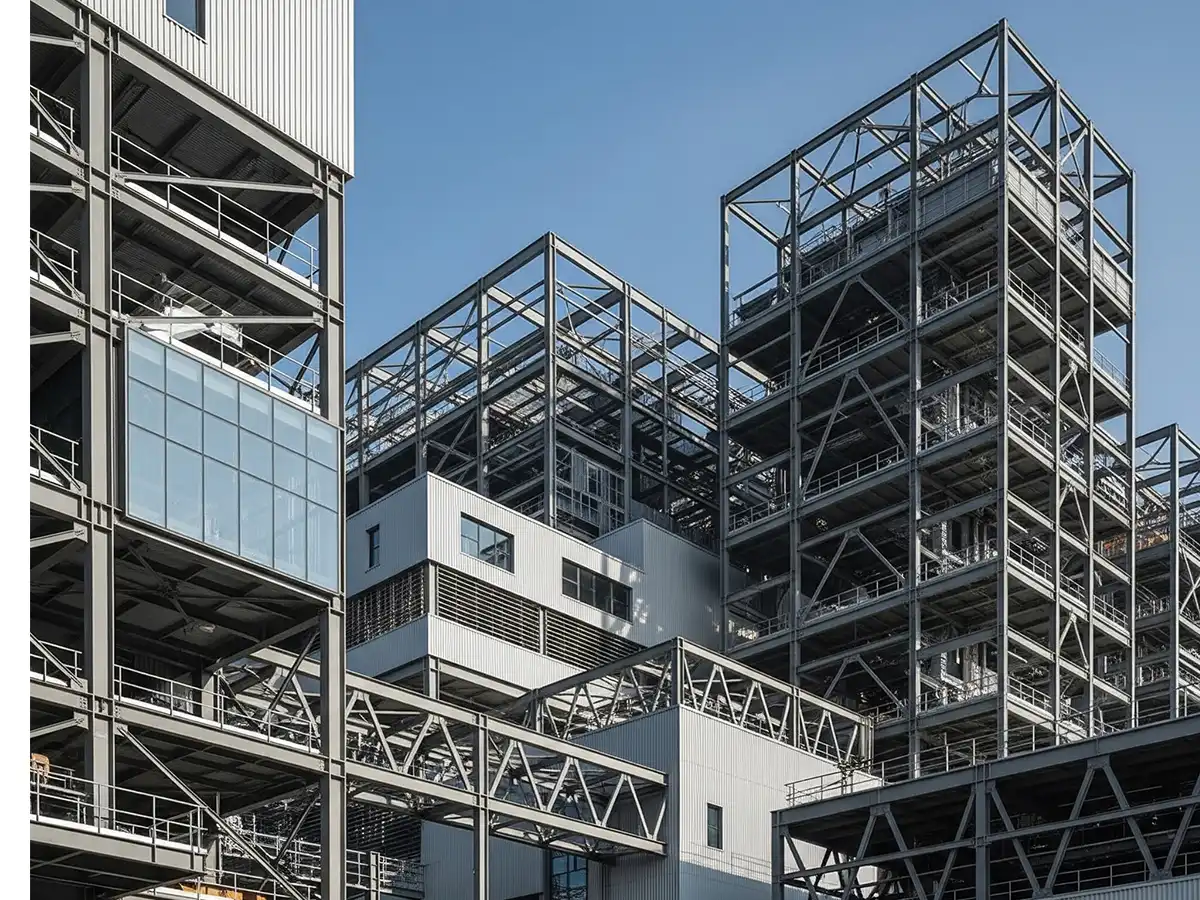
Kirby: Delivering Effective Solutions
Demand for PEBs is being driven by urbanization, government initiatives like smart cities, and rapid industrial growth, requiring fast, cost-effective, and high-quality building solutions.
The PEB industry is characterized by a fusion of sustainability, technological innovation, and design flexibility, making it a leading choice in modern construction ranging from industrial buildings, warehousing and urban infrastructure projects to commercial complexes, healthcare, educational institutions, to sports complexes.
Trends in PEB Materials
The latest trends in PEB’s materials and structural design reveal significant advancements that focus on sustainability, efficiency, and smart technology integration. We are seeing an integration of advanced materials with use of eco-friendly materials such as steel, insulation, paints, etc. in a PEB to improve its durability and performance, and adoption of green technologies that align with LEED and similar environmental standards.
There is a growing emphasis on sustainable construction through materials that reduce waste and energy consumption (such as steel); designs that incorporate natural lighting, ventilation, rainwater harvesting, solar energy integration, etc; and compliance with green building norms like IGBC, LEED, and GRIHA. All these factors are making PEBs attractive for industrial, warehousing, commercial and institutional sectors.
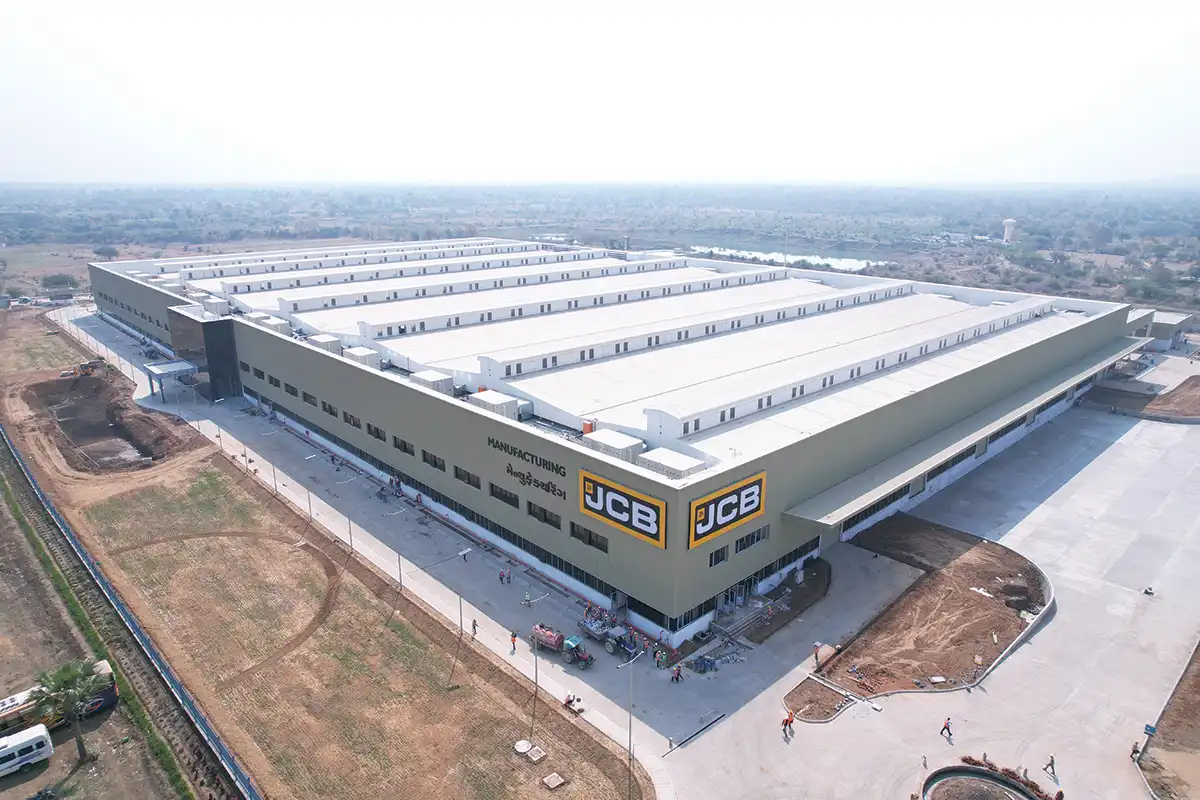
Structural Efficiency
The structural efficiency of PEBs is being ensured with use of BIM and advanced design software for precise customization. Modular and scalable architectural approaches are allowing faster construction and easy adaptability to changing needs. We are seeing structural designs featuring columns that maximize usable space without compromising strength, and optimized fabrication with automated cutting and welding.
PEB construction enables faster project completion timelines due to prefabrication and its modular construction methods. What’s more, predictable costs and reduced material wastage contribute to economic efficiency in PEB projects.
Green Building Practices
Sustainability and green building practices are profoundly influencing the selection of materials and design approach in PEBs, driving these structures to be more eco-friendly, resource-efficient, and energy-conscious.
PEBs indicate a preference for materials with low environmental impact. Sustainable design favours materials produced with reduced greenhouse gas emissions, such as green steel produced using renewable energy sources.
Steel is the primary material in PEBs and is highly sustainable due to its recyclability. A large portion of steel used in PEBs can be fully recycled without quality loss at the end of the building’s life. This reduces the reliance on virgin raw materials and supports a circular economy. Some PEB constructions also integrate materials like fly ash and Autoclaved Aerated Concrete (AAC) blocks, which enhance durability and thermal insulation while being environmentally benign.
"The sustainability-driven innovations in PEB material selection and design help address the environmental challenges faced by the construction industry while delivering cost-effective, efficient, and durable building solutions."P V Mohan
CEO, Kirby India

Design Practices
The design of PEBs considers the following:
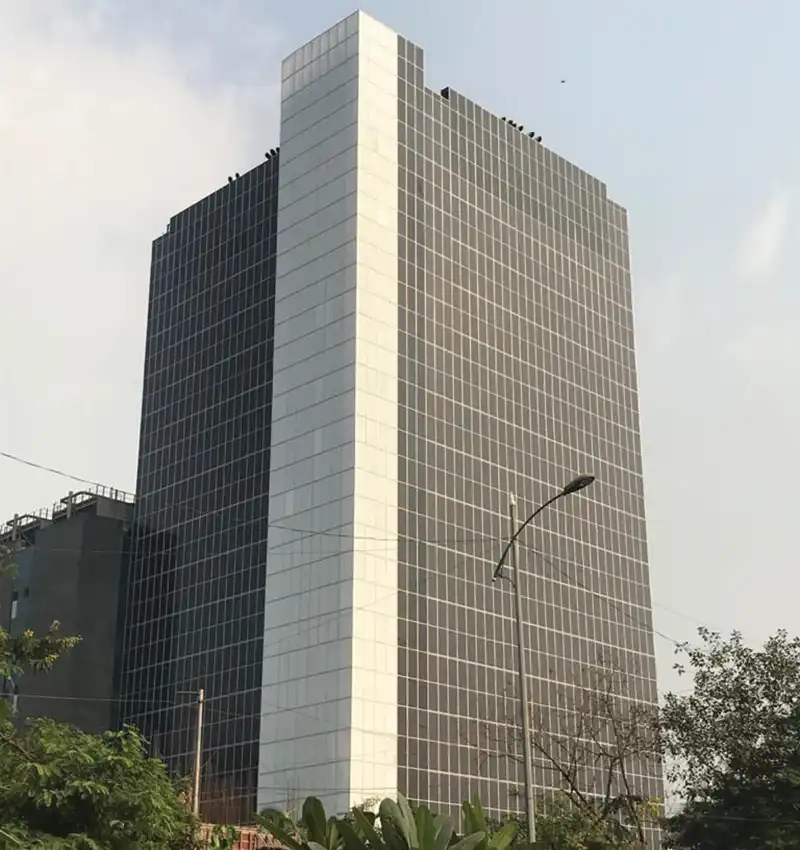
- Precision Manufacturing & Modular Construction: PEB components are fabricated off-site in controlled environments with computer-aided designs to optimize material use, greatly reducing waste and on-site resource consumption. Modular construction allows prefabricated components to be assembled quickly and precisely, minimizing cutoffs and excess debris.
- Energy Efficiency: PEBs are designed with energy-efficient features like high-quality insulation, solar panels integration, skylights for natural lighting that reduce heating, cooling, and lighting energy needs.
- Water Conservation: Designs may incorporate rainwater harvesting systems and efficient plumbing fixtures to reduce water usage.
- Durability and Longevity: The material strength and treatments ensure long lifespan, fire resistance, and low maintenance, further reducing environmental impact over time by lowering the need for frequent repairs or reconstruction.
- Reusability and Deconstructability: PEB structures can often be dismantled and relocated or reused without significant waste generation, supporting sustainability by reducing demolition waste.
Overall, PEBs align well with green building certifications by minimizing resource consumption, reducing carbon footprints through energy efficiency, using recyclable and sustainable materials, and reducing waste at all stages from production through end-of-life.
Design Standardization and Customization
Addressing design standardization while meeting client-specific customization needs in PEBs involves balancing repeatable, efficient design processes with flexible options tailored to individual client requirements. Here’s how this balance is typically achieved:
Modular Design Framework: PEBs are inherently modular, built from a set of standard, pre-engineered components (frames, purlins, girts, roof panels, wall panels, etc.) that are designed to work together efficiently. This modularity ensures design standardization, faster manufacturing, and lower costs. At the same time, clients can select from a range of module sizes, spacing, and configurations to customize the basic building footprint and functionality.
Parametric and Computer-Aided Design Tools: Using advanced design software, engineers can quickly configure standard PEB components to meet specific client performance requirements (such as loading conditions, local climate, or architectural preferences) without redesigning from scratch. These parametric design tools enable rapid and cost-effective customization while maintaining standardization in materials and assembly methods.
Customization Packages and Add-ons: Customization packages like aesthetic options (color, cladding profiles), additional insulation, energy-efficient features, or special foundation details that can be integrated into the standardized design platform. This allows clients to enhance their buildings according to their unique operational and sustainability goals.
Standardized Engineering Protocols: Regardless of customization, engineering analyses for structural stability, wind load, snow load, and seismic requirements follow standardized codes and internal design checks. This ensures that every customized building meets safety and performance standards while allowing flexibility in appearance or layout.
Client Collaboration and Iteration: Early-stage collaboration with clients helps identify critical customization needs—functional, aesthetic, or regulatory. Through iterative design reviews, standardized design elements are adjusted or combined optimally, minimizing bespoke engineering without compromising client-specific objectives.
These approaches collectively are meeting India’s infrastructure demand for faster, greener, and adaptive building solutions that maintain high quality, customization, and flexibility within a PEB’s standardized modular design.