Luxury housing in India is evolving rapidly. How have the expectations of premium homebuyers changed over the last decade?
Luxury has become increasingly experiential rather than aspirational. A decade ago, luxury was largely associated with size, imported finishes and visible extravagance. Today, affluent buyers are far more discerning. They are evaluating homes on parameters such as thoughtful design, wellness, privacy, sustainability, community planning and construction quality. They want spaces that improve everyday living, rather than simply make a visual statement. This shift is encouraging developers to move beyond aesthetics and focus on creating homes with enduring value.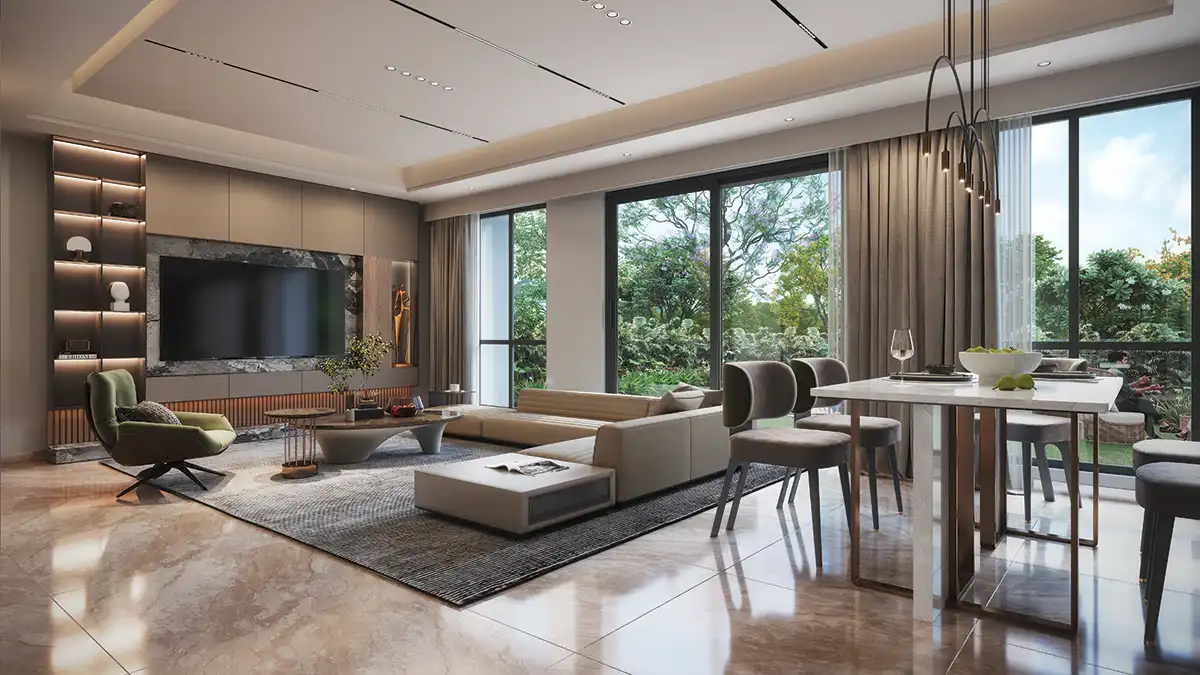
Today’s informed buyers conduct extensive research before making purchasing decisions. They are asking deeper questions about structural quality, engineering practices, construction materials, project execution standards, and the long-term durability of the asset. Visual appeal remains important, but it is no longer sufficient.
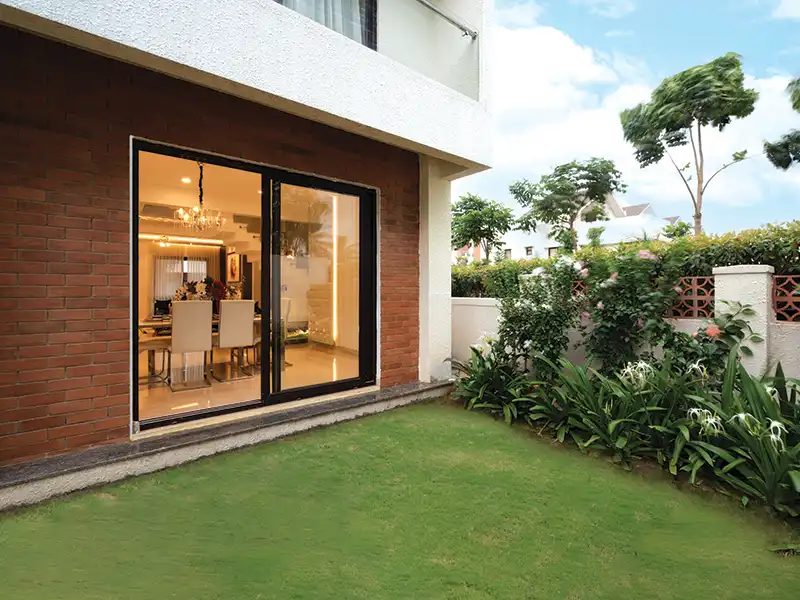
At NVT we create villas that maximise natural light, ventilation, privacy, and functional spaces, while allowing homeowners the opportunity to personalise the interiors as per their preferences. We also focus on landscaping, community planning, and everyday usability.
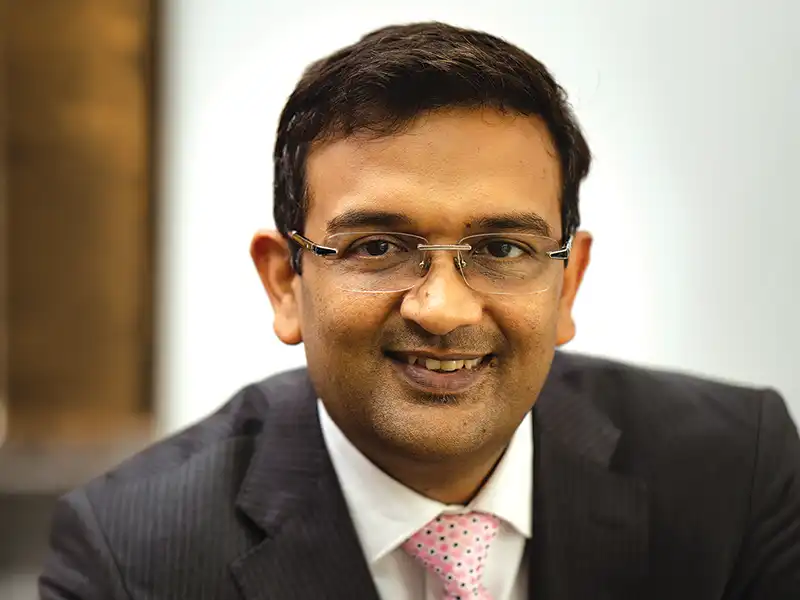
Dr Vivek Garg
Buyers recognise that true luxury lies in reliability, comfort, safety and longevity. They want homes that evolve with their changing needs. They value flexible layouts, dedicated workspaces, wellness zones, smart home technologies and interiors that align with their lifestyles. Developers who incorporate flexibility into planning and provide opportunities for meaningful customisation are far better positioned to meet the expectations of the luxury home-buyers.
How can developers balance large-scale construction with increasing demand for customisation?
What role does construction quality play in defining long-term value in luxury housing?
Construction quality is the single most important determinant of long-term value. Premium buyers understand that superior engineering, robust structural systems, high-quality materials and disciplined execution directly influence maintenance costs, durability and resale value. These aspects may not always be immediately visible, but they define how a home performs over several decades. Developers that consistently invest in construction excellence build not only better homes but also stronger reputations and lasting customer trust.What trends do you believe are shaping India’s luxury residential market?
Luxury housing will become more intelligent, more sustainable, and far more focused on enhancing everyday life. Personalisation will become a standard expectation rather than a premium offering. construction quality, sustainability and wellness will become the primary differentiators for leading developers. Technology from AI-enabled home management to smart construction practices will increasingly improve both the buying experience and long-term home ownership.Developers should resist the temptation to chase short-term trends and instead focus on creating enduring value. Investing in superior engineering, thoughtful planning, quality construction, responsible sustainability practices and customer-centric design will always deliver stronger outcomes than superficial luxury. In premium housing, reputation is ultimately created not by marketing but by consistently delivering homes that perform exceptionally over time.