
Sanjeev Bhandari, Founder & CEO, AirBrick Infra
Improving Space Efficiency and Flexibility
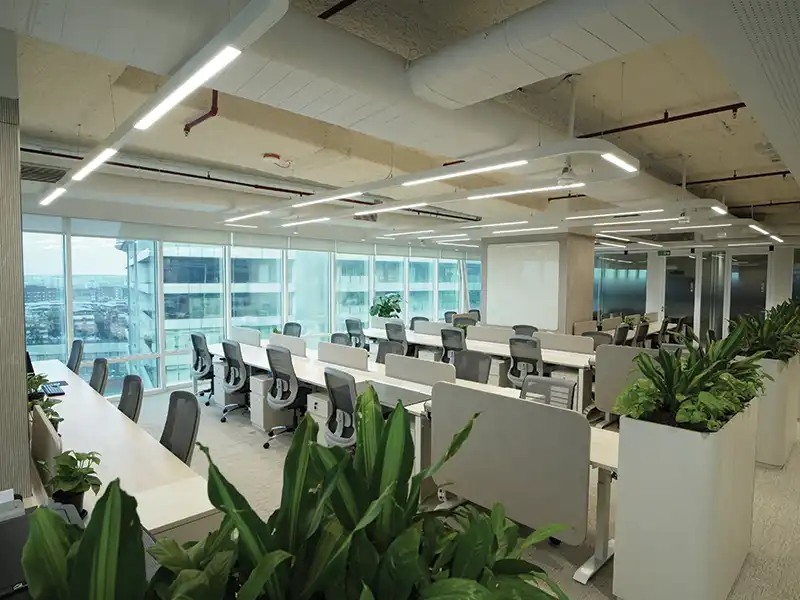
Space utilisation is one of the most important contributions of AI to workplace design. The use of advanced algorithms enables analysis of huge datasets and user inputs to create plans that maximise space efficiency. There are AI-driven software available that consider factors like spatial preferences, workflow patterns, and the way departmental interactions take place so that better layouts can be created that align with the organisation’s requirements. Organisations are leveraging AI to optimise every corner of their space so that they can create a spacious and comfortable environment for their workers.Personalised Employee Experience
Using machine learning algorithms, architects can now create workstations that cater to the individual requirements of employees. AI algorithms gather data on different aspects of employee preferences so that settings like lighting, desk height, seating arrangement, etc. can be adjusted automatically, enhancing the overall comfort of employees. This personalised approach gives a sense of ownership and well-being to the employees, thereby enhancing their productivity and efficiency.Improving Workplace Health
AI systems can analyse factors like temperature, air quality, noise levels, etc. This allows architects to incorporate elements into their designs that provide protection from the detrimental aspects of the surroundings. For instance, to prevent discomfort from high noise levels, soundproof chambers can be created that help reduce distraction among employees and allow them to focus better. This eventually contributes to enhanced productivity and ensures their well-being.The growing synergy between AI and architecture is taking us towards a future where workplace design seems to be progressive and brimming with possibilities.